 Bird Supplies
 Bird Accessories
 Bird Cages & Carriers
 Bird Feeders
 Bird Nests & Beds
 Bird Toys
 Feeding Supplies
 Automatic Feeders
 Feeding Mats
 Pet Bowls
 Slow Feed Bowls
 Water Dispensers
 Grooming & Care
 Cleaning Tools
 Grooming Gloves
 Nail Clippers
 Pet Brushes
 Other
Other Pet Accessories
 Harnesses
 Leashes
 Tags
Tags Pet Apparel
 Cat Apparel
 Pet Costumes
 Pet Diapers
 Pet Life Jackets
 Pet Homes & Crates
 Cat Trees & Scratching Furniture
 Dog Crates
 Indoor Pet Houses
 Pet Beds & Houses
 Pet Carriers
 Small Pet Habitats
 Pet Toys
 Cat Toys
 Dog Toys
 Interactive Toys
 Plush Toys
 Reptile Supplies
 Reptile Accessories
 Reptile Feeders & Bowls
 Reptile Habitats & Terrariums
 Reptile Heating & Lighting
 Reptile Hideouts & Decor
 Reptile Humidity & Climate
 Portable Water Bottles
 Travel Bags
Pet Grooming Glove vs Brush: Which Is Better for Your Pet’s Coat?
Pet Grooming Glove vs Brush: Which Is Better for Your Pet’s Coat?
If you are deciding between a pet grooming glove vs brush, the better choice usually depends on your pet’s coat type, shedding level, and tolerance for handling. A grooming glove feels softer and less intimidating, which makes it useful for light daily grooming and for pets that dislike traditional tools. A brush usually removes more loose fur, reaches deeper into the coat, and gives you better control when tangles or heavy seasonal shedding are part of the problem.
That means this is not really a question of which tool is universally better. It is a question of which tool fits your pet’s coat and your grooming routine. For some short-haired cats and dogs, a glove is the easiest way to pick up surface fur while turning grooming into something that feels like petting. For dense coats, undercoats, or pets that mat easily, a brush is usually the more effective tool because it can separate hair and pull out loose fur more thoroughly.
How Grooming Gloves and Brushes Work Differently
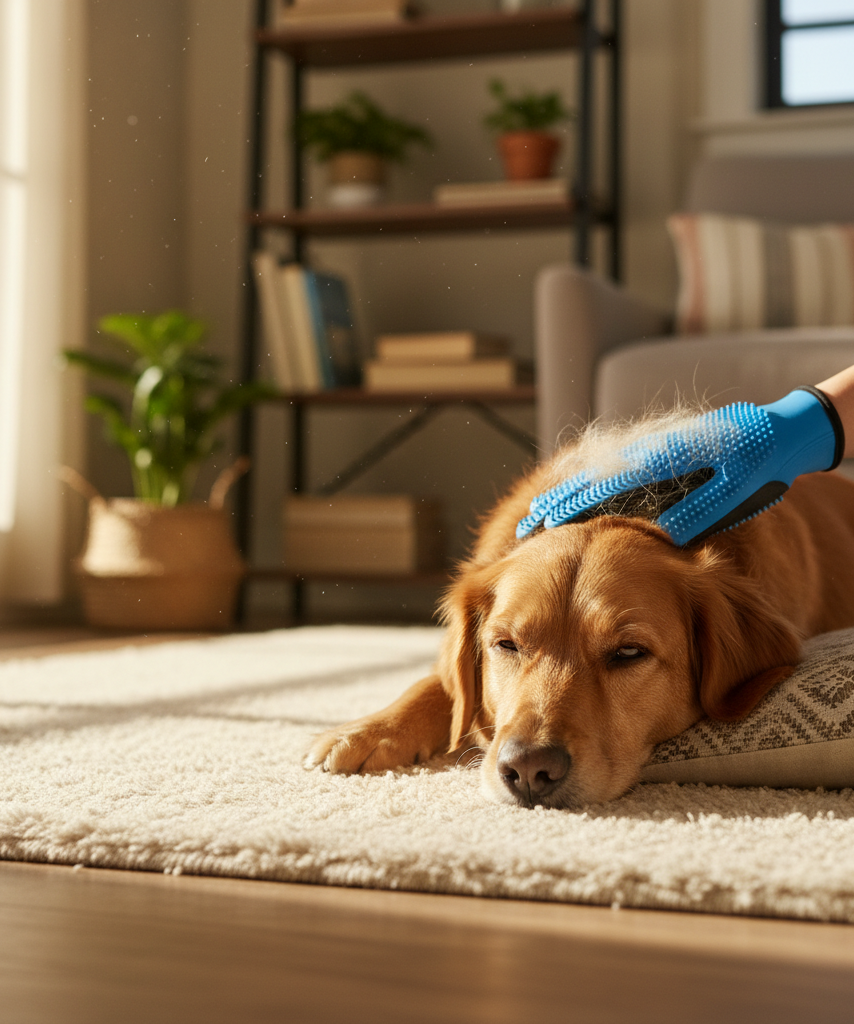
The biggest difference between a grooming glove and a brush is how each tool interacts with the coat. A grooming glove spreads contact across your hand, so it feels less like a separate grooming device and more like a familiar touch. That makes it good for collecting loose hair from the top layer of the coat and for pets that tense up when they see bristles, pins, or a rigid grooming head.
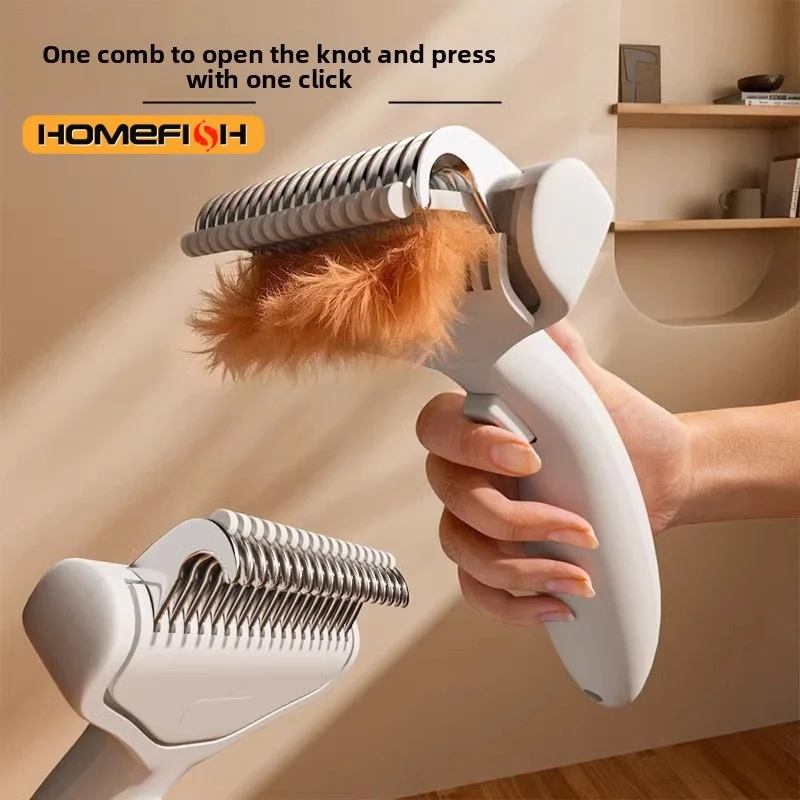
A brush is more targeted. Whether you are using a slicker-style brush, a de-shedding brush, or a softer grooming brush, the tool is designed to move through the coat rather than simply skim the surface. That extra structure helps with trapped loose fur, mild tangles, and coats that need more than a quick wipe-down.
In a pet grooming glove vs brush comparison, the glove usually wins on comfort and ease of introduction, while the brush wins on grooming depth and efficiency. If your goal is quick upkeep between baths or during light shedding, a glove may be enough. If your goal is real coat management, especially during heavy shedding season, a brush is usually the stronger tool.
Which Coat Types Each Tool Suits Best
Short, Smooth Coats
For short-haired pets, a grooming glove often works surprisingly well. Coats like these do not need deep detangling, so the glove can remove surface hair and dander without pulling too much. This is one reason many owners asking whether they need a grooming glove or brush for cats end up preferring the glove for regular upkeep on calm, short-coated pets.
A brush can still help here, especially if the pet sheds a lot, but it may feel like more tool than the coat actually needs. For weekly maintenance on a short, sleek coat, the glove is often the easier option.
Medium Coats With Moderate Shedding
For medium coats, the choice becomes more situational. A grooming glove can work for quick daily touch-ups, but a brush often does a better job when fur starts collecting around the neck, chest, tail, or hindquarters. If you want the coat to look neater and reduce loose hair around the house, a brush usually gives better results.
This is where many owners benefit from using both tools, even if one becomes the main tool. The glove can help on calm days, while the brush handles more serious grooming sessions.
Long, Thick, or Double Coats
For long-haired pets, double-coated breeds, or any coat that mats easily, a brush is usually the better answer. A glove may feel pleasant, but it often cannot reach deeply enough to manage undercoat buildup or early tangles. In those cases, the best grooming tool for shedding pets is usually a brush that can move through the coat with more structure and precision.
If you rely on a glove alone for a heavy coat, the grooming session may feel easier, but it will often leave too much loose fur behind. That can lead to more shedding indoors and more difficult brushing later.
When Pets Tolerate One Tool Better Than the Other
Pet tolerance matters more than many buyers expect. A technically effective brush does not help much if your dog squirms away or your cat bolts after two strokes. This is where grooming gloves have a real advantage.
Because the motion feels closer to petting, gloves often work better for:
- nervous pets new to grooming
- cats that dislike rigid grooming tools
- dogs that tolerate touch better than repetitive pulling motions
- short grooming sessions between full coat-maintenance days
If your pet resists traditional grooming, starting with something like a [$pet grooming glove for gentle daily de-shedding]($https://pawmarketplace.com/product/pet-grooming-glove-gentle-efficient-pet-hair-remover-mitt-cat-accessories-pet-glove-for-dogs-cats-pet-products-cat-supplies/) can be a practical way to build tolerance before introducing a more structured brush for deeper coat work.
A brush tends to work better when the pet already accepts grooming and you need more than surface-level hair pickup. That is especially true for pets with heavier shedding, coat thickness, or mild tangles that require a firmer grooming pass.
Cleaning, Durability, and Maintenance Differences
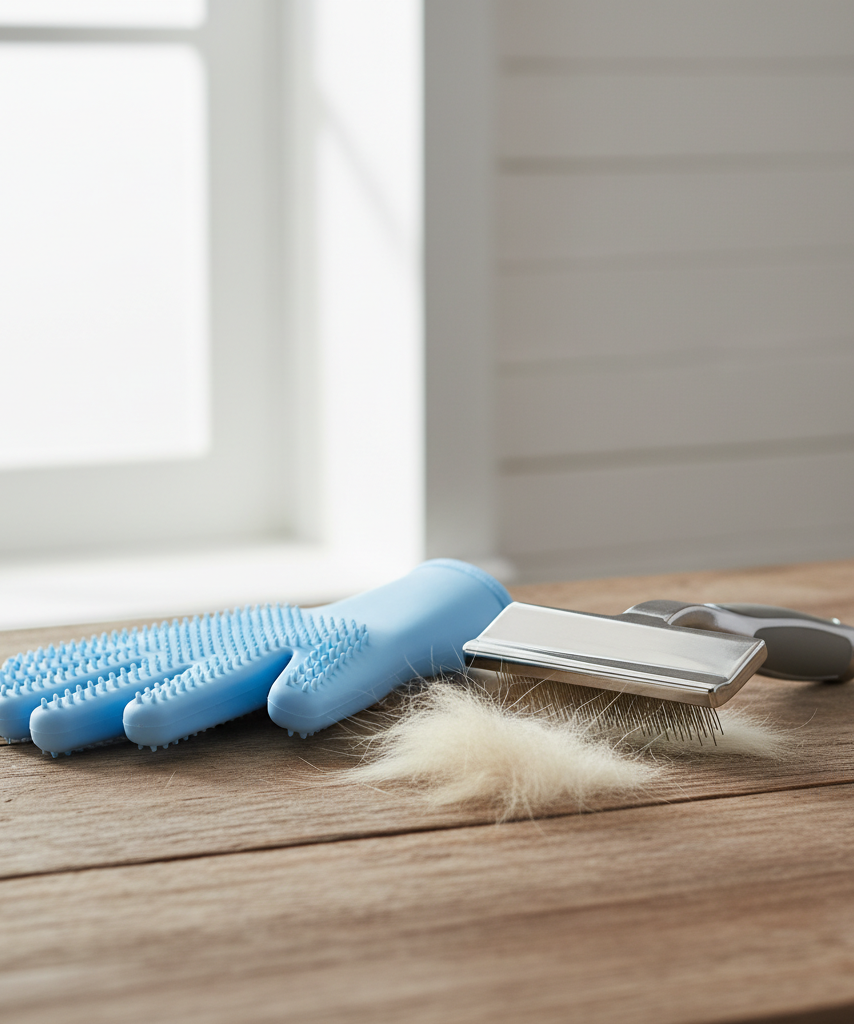
Cleaning is another area where the grooming glove vs brush choice becomes practical. Gloves are usually simple to rinse or peel hair from, but they can wear out faster if the silicone tips soften, tear, or lose grip. They are convenient, though, especially if you want a fast cleanup after a short grooming session.
Brushes vary more. Some are easy to clean, especially self-cleaning models that release collected hair with a button. Others trap fur around the pins and need more manual cleaning. In return, a good brush often lasts longer and performs more consistently over time, particularly when it is part of a regular shedding-control routine.
When comparing maintenance, think about two separate questions:
- how easy the tool is to clean after each session
- how well the tool keeps working after months of use
If you value quick, low-fuss upkeep, the glove has an edge. If you value long-term coat performance and deeper grooming results, a quality brush usually offers more value.
How to Decide Based on Shedding Level and Routine
If you are still choosing between a pet brush vs grooming glove, use your pet’s real-life routine as the tiebreaker.
Choose a grooming glove when:
- your pet has a short or smooth coat
- shedding is light to moderate
- your pet is sensitive to formal grooming tools
- you want fast, frequent grooming that feels gentle
Choose a brush when:
- your pet has a medium, long, or dense coat
- seasonal shedding is heavy
- you need to remove more undercoat or loose fur in one session
- mild tangles or coat fluff need more control
For many households, the honest answer is not glove or brush forever. It is glove for comfort and quick upkeep, brush for deeper coat management.
Final Verdict: Which Is Better for Your Pet’s Coat?
In a pet grooming glove vs brush comparison, the grooming glove is usually better for comfort, easy introduction, and light upkeep on short-haired pets. A brush is usually better for thicker coats, heavier shedding, and more effective coat maintenance overall. If your pet’s coat is easy to manage and grooming compliance is the biggest challenge, start with the glove. If coat performance matters more than gentleness alone, the brush is usually the smarter primary tool.
The best choice comes down to what your pet’s coat actually needs. If you match the tool to coat type, shedding level, and grooming tolerance, you will get better results than you would by chasing whichever option sounds more convenient on the product page.