 Bird Supplies
 Bird Accessories
 Bird Cages & Carriers
 Bird Feeders
 Bird Nests & Beds
 Bird Toys
 Feeding Supplies
 Automatic Feeders
 Feeding Mats
 Pet Bowls
 Slow Feed Bowls
 Water Dispensers
 Grooming & Care
 Cleaning Tools
 Grooming Gloves
 Nail Clippers
 Pet Brushes
 Other
Other Pet Accessories
 Harnesses
 Leashes
 Tags
Tags Pet Apparel
 Cat Apparel
 Pet Costumes
 Pet Diapers
 Pet Life Jackets
 Pet Homes & Crates
 Cat Trees & Scratching Furniture
 Dog Crates
 Indoor Pet Houses
 Pet Beds & Houses
 Pet Carriers
 Small Pet Habitats
 Pet Toys
 Cat Toys
 Dog Toys
 Interactive Toys
 Plush Toys
 Reptile Supplies
 Reptile Accessories
 Reptile Feeders & Bowls
 Reptile Habitats & Terrariums
 Reptile Heating & Lighting
 Reptile Hideouts & Decor
 Reptile Humidity & Climate
 Portable Water Bottles
 Travel Bags
Cat Harness vs Collar: Which Is Better for Supervised Outdoor Time?
Cat Harness vs Collar: Which Is Better for Supervised Outdoor Time?
If your cat will spend time outside on a leash, a harness is usually the safer choice because it spreads pressure across the chest and shoulders instead of the neck. A collar still has a place for ID tags and indoor wear, but for leash training and supervised outdoor time, most cats are better off in a well-fitted harness.
Outdoor time changes the stakes. A startled cat can back out of loose gear in seconds, and a sudden pull on a collar can put unsafe pressure on the throat. That is why the real decision is not “harness or collar forever,” but which tool matches the situation.
Quick Comparison: Cat Harness vs Collar
| Factor | Cat Harness | Cat Collar |
|---|---|---|
| Best use | Leash walks, patio time, travel, supervised outdoor exploration | ID tag holder, quick identification, normal indoor wear |
| Pressure point | Chest and shoulders | Neck |
| Escape risk | Lower when fitted correctly, but never zero | Higher during outdoor pulling or panic |
| Comfort during walking | Usually better for training and controlled movement | Often fine for everyday wear, not ideal for leash pressure |
| Visibility and identification | Can be paired with leash and reflective details | Excellent for tags, bells, and quick visual ID |
| Ideal for indoor cats starting outdoor time | Usually yes | Not by itself |
Harness vs Collar: Core Differences
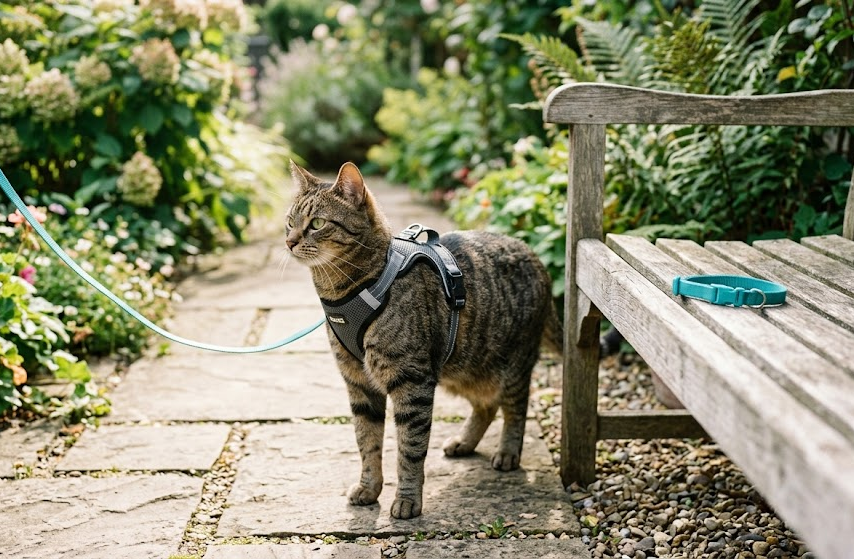
A cat collar is simple, lightweight, and useful for identification. Many owners use one indoors so their cat can wear a tag or a small tracker. That is a practical use case, especially for cats that are calm, comfortable with collars, and not going out on a leash.
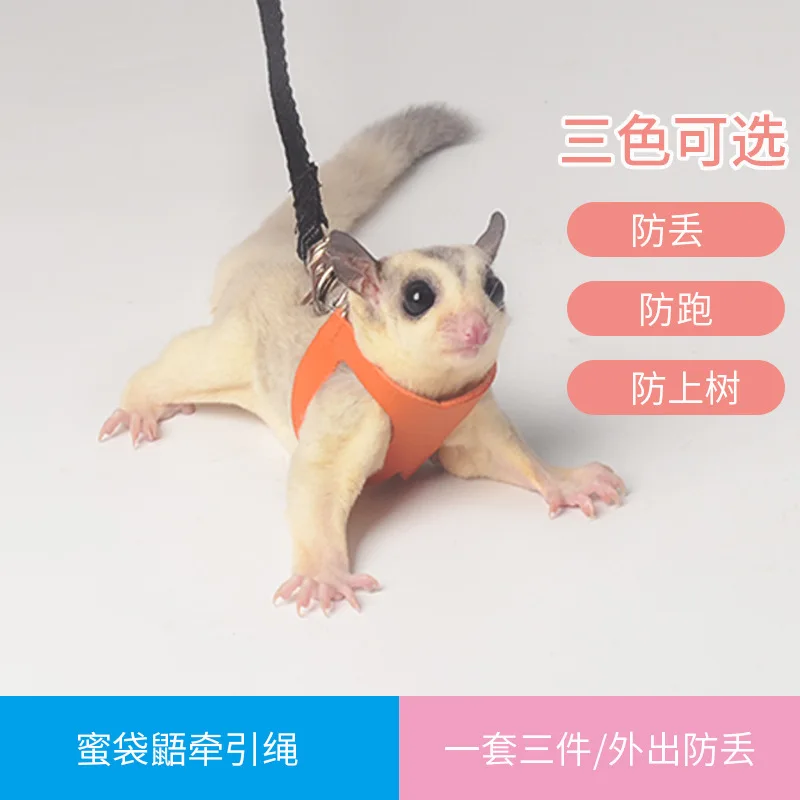
A cat harness is different because it is meant to control movement more safely. Instead of concentrating force at the neck, a harness wraps around the body. That makes it the better tool for supervised outdoor time, especially if your cat is learning how to walk on a leash, hesitates at new sounds, or may try to bolt.
The biggest advantage of a harness is not that it makes a cat “easy” to walk. Cats are still cats. The real advantage is that a proper harness gives you more controlled, lower-risk restraint than a collar when the environment is unpredictable.
When a Collar Is Enough and When It Is Not
A collar is often enough when your cat stays indoors and the goal is identification rather than walking control. In that situation, a lightweight breakaway collar with an ID tag can make sense. It is minimal, familiar, and less bulky than a harness for day-to-day use.
A collar is not enough when:
- your cat is going outside on a leash
- your cat startles easily
- your cat is new to outdoor sounds, smells, or movement
- you need more than identification and actually want restraint
- your cat has a habit of pulling backward when nervous
These are exactly the situations where owners start asking, are cat harnesses a good idea? For outdoor use, the answer is usually yes. A cat harness for outside is generally the more practical and safer option because it is designed for movement control rather than just identification.
Why Supervised Outdoor Time Changes the Decision
Supervised outdoor time sounds calm in theory. In real life, it may involve cars, dogs in the distance, people walking by, leaf blowers, strange smells, and a cat that suddenly decides the porch is terrifying. That is why the harness-versus-collar question changes the moment you add a leash and the outdoors.
Even a confident indoor cat can panic in an unfamiliar space. If that happens, a collar can twist, tighten, or become the single point resisting the cat’s entire body weight. A harness gives you more surface contact and usually better control. It is not escape-proof in an absolute sense, but it gives you a much stronger starting point.
For owners planning short porch sessions, backyard exploration, or early leash training, a tactical cat harness for walking is the kind of gear that fits this use case better than a collar alone because it is designed around body support and outdoor handling rather than simple identification.
Escape Risk, Comfort, and Fit Considerations
Escape risk is the main reason most owners move from a collar to a harness for outdoor use. But the phrase cat harness escape proof should be treated carefully. No harness is truly escape-proof if it is the wrong size, fitted too loosely, or introduced too fast to a determined cat.
What you want is a harness that is harder to slip, easier to adjust, and comfortable enough that your cat does not spend the entire outing fighting it.
Signs a Harness Is the Better Choice
- will be attached to a leash outside
- crouches, twists, or backs away when uncertain
- needs gradual exposure to patios, balconies, yards, or travel stops
- has outgrown the stage where a collar is only for tags
Signs the Fit May Be Wrong
- the harness rotates easily around the body
- the chest piece slides too low or too high
- straps leave no room for small adjustments
- your cat can get a leg through the opening unexpectedly
- your cat repeatedly backs out during practice indoors
Comfort matters too. A harness should feel secure without pinching. Breathable mesh, soft edging, and adjustable straps tend to be easier for beginner cats than stiff, bulky designs.
How to Choose a Cat Harness
If you are comparing cat harness and leash options, focus on fit and control before style.
1. Prioritize cat-specific fit
Cat bodies are flexible and surprisingly good at escaping loose gear. Look for a harness that adjusts around both the neck and chest so you can fine-tune the fit instead of settling for “close enough.”
2. Look for secure but breathable materials
A soft mesh or padded vest style can work well for many cats because it distributes pressure comfortably. Lightweight materials also help cats tolerate training sessions longer.
3. Avoid overpromising product language
Terms like escape proof can be useful shorthand for design intent, but fit still matters more than the label. A well-fitted standard harness is safer than a poorly fitted product marketed as escape-proof.
4. Match the harness to your real use case
Ask yourself what supervised outdoor time actually looks like:
- quick front-step sessions
- calm patio lounging
- structured leash walks
- travel and rest-stop use
- short backyard exploration for an indoor cat
The more movement, unpredictability, or leash tension involved, the more a harness makes sense over a collar.
Beginner Safety Tips for Leash Training
The best cat harness is still only part of the equation. Training and pacing matter just as much.
Start indoors first
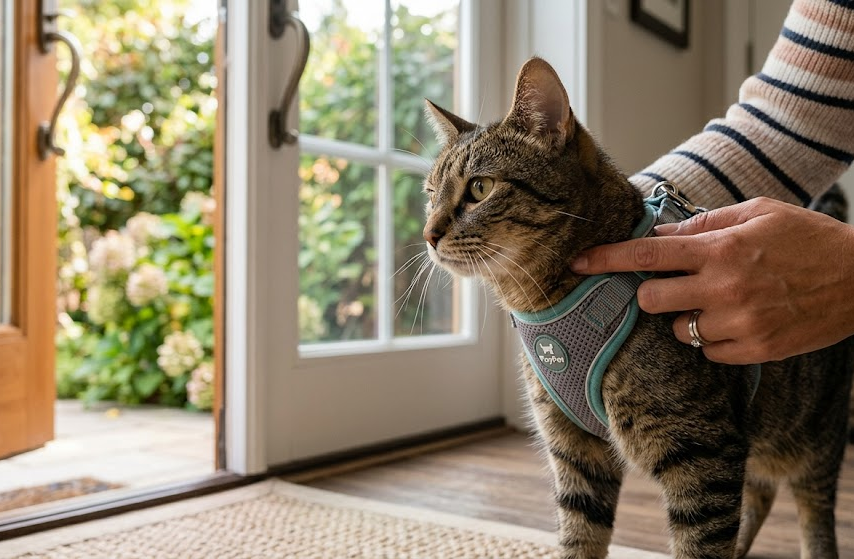
Let your cat wear the harness inside before attaching a leash. Short, calm sessions help your cat learn that the harness is not a threat.
Keep first outdoor trips short
Do not turn the first session into a full walk. Start with a quiet patio, balcony, or yard corner and let your cat observe.
Never drag or force movement
Leash training should guide, not pull. If your cat freezes, crouches, or flops over, slow down. That is normal for beginners.
Check fit every time
A harness that seemed perfect yesterday can sit differently after movement. Always recheck before going outside.
Use a collar for ID, not primary restraint
Many owners use both: a breakaway collar for identification and a harness for the leash. That combination often makes more sense than treating the collar as the walking tool.
What About Indoor Cats Starting Outdoor Time?
Indoor cats often benefit the most from a harness because the outside world is new and overstimulating. For these cats, a collar alone usually does not offer enough control. A harness allows careful exposure while reducing neck strain if the cat startles.
That does not mean every indoor cat will enjoy walks. Some cats prefer sniffing a patio for five minutes over going anywhere at all. That is fine. The goal is safe, low-pressure exploration, not forcing dog-style walking behavior.
Final Verdict: Which Is Better?
For supervised outdoor time, a harness is better than a collar for most cats. A collar is still useful for identification, but a harness is the smarter choice for leash training, outdoor safety, and reducing escape risk when the environment is unpredictable.
Summary Takeaway
Choose a collar for everyday ID. Choose a harness for outdoor control. If your cat will be outside on a leash, the harness should do the real work.
FAQ
Are cat harnesses a good idea?
Yes, especially for supervised outdoor time, leash training, travel stops, and beginner exploration. They are usually safer than relying on a collar alone for restraint.
Can a cat wear both a collar and a harness?
Yes. Many owners use a breakaway collar with an ID tag plus a separate harness and leash for outdoor sessions.
Is a cat harness escape proof?
No harness is completely escape-proof, but a well-fitted cat harness is usually much harder to slip than a collar during outdoor movement.
How tight should a cat harness be?
It should be snug enough that your cat cannot easily back out, but not so tight that it pinches or restricts normal breathing and movement.
Is a collar bad for walking a cat?
A collar is not automatically bad, but it is usually the weaker option for leash walking because it puts pressure on the neck and gives a nervous cat more opportunity to slip free.