 Bird Supplies
 Bird Accessories
 Bird Cages & Carriers
 Bird Feeders
 Bird Nests & Beds
 Bird Toys
 Feeding Supplies
 Automatic Feeders
 Feeding Mats
 Pet Bowls
 Slow Feed Bowls
 Water Dispensers
 Grooming & Care
 Cleaning Tools
 Grooming Gloves
 Nail Clippers
 Pet Brushes
 Other
Other Pet Accessories
 Harnesses
 Leashes
 Tags
Tags Pet Apparel
 Cat Apparel
 Pet Costumes
 Pet Diapers
 Pet Life Jackets
 Pet Homes & Crates
 Cat Trees & Scratching Furniture
 Dog Crates
 Indoor Pet Houses
 Pet Beds & Houses
 Pet Carriers
 Small Pet Habitats
 Pet Toys
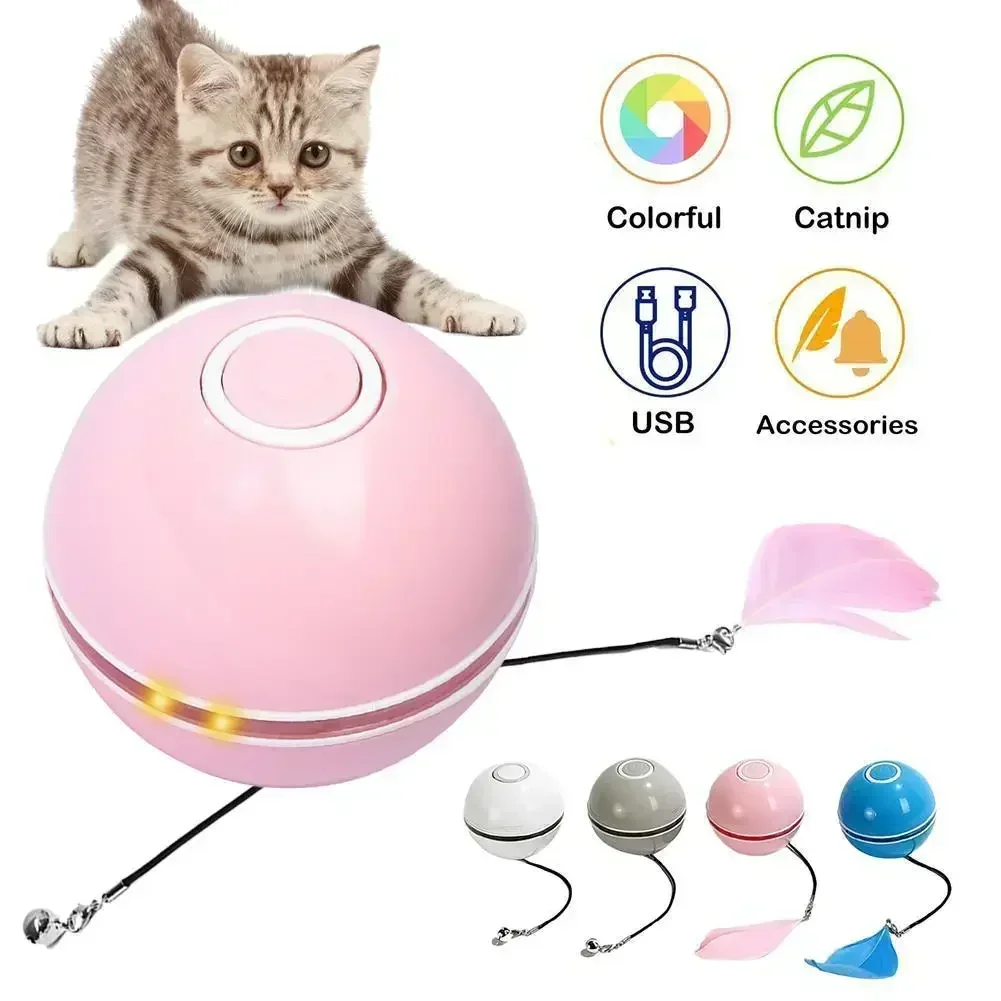 Cat Toys
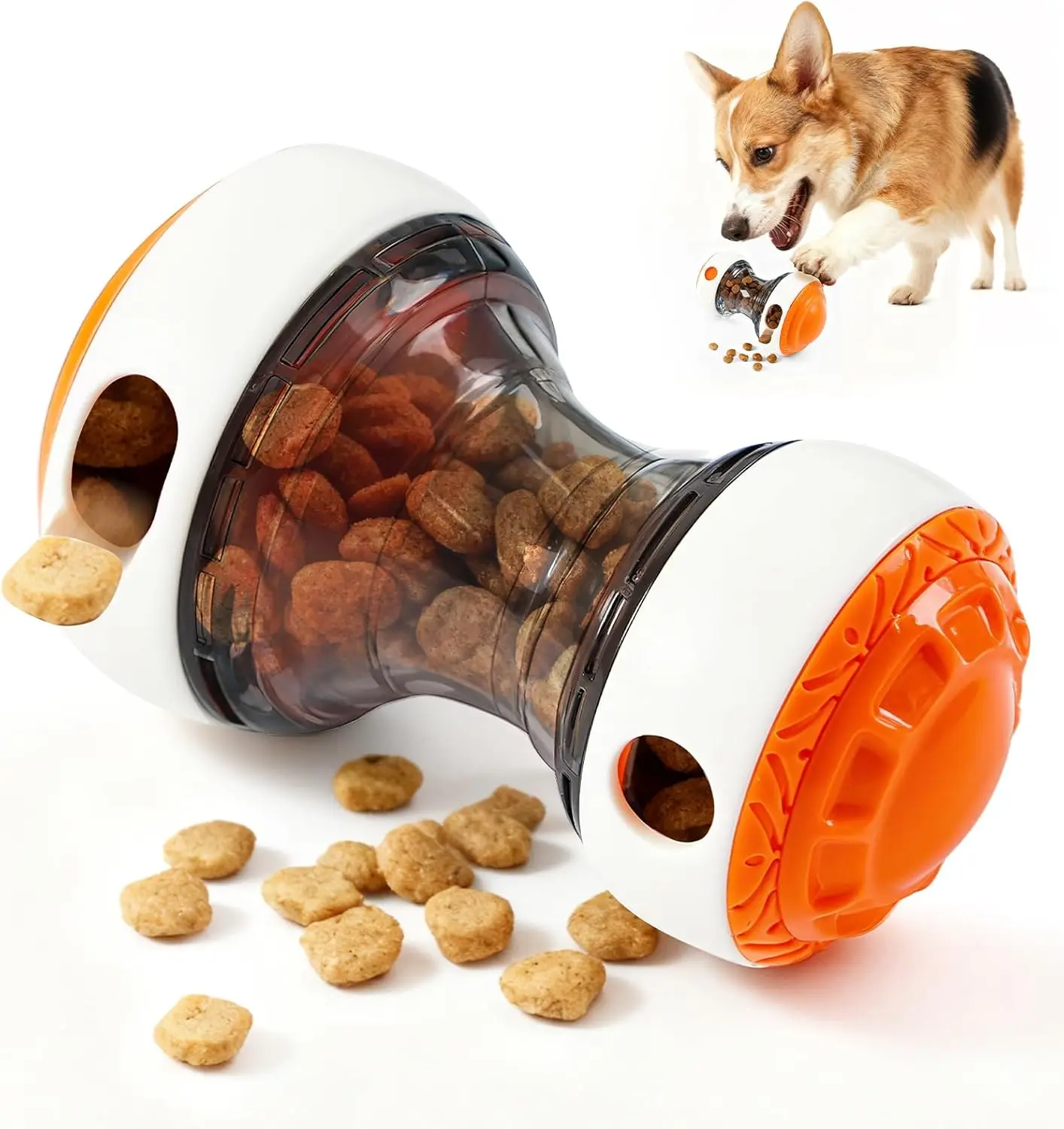 Dog Toys
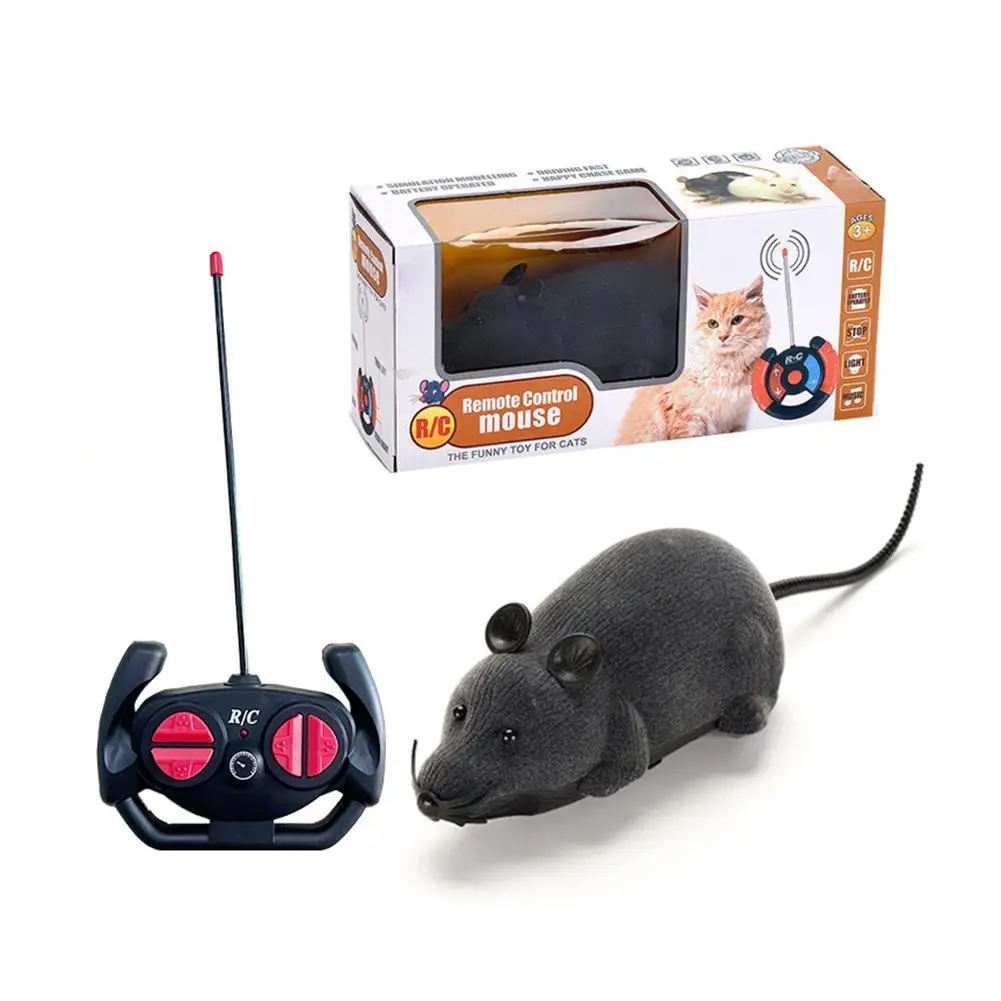 Interactive Toys
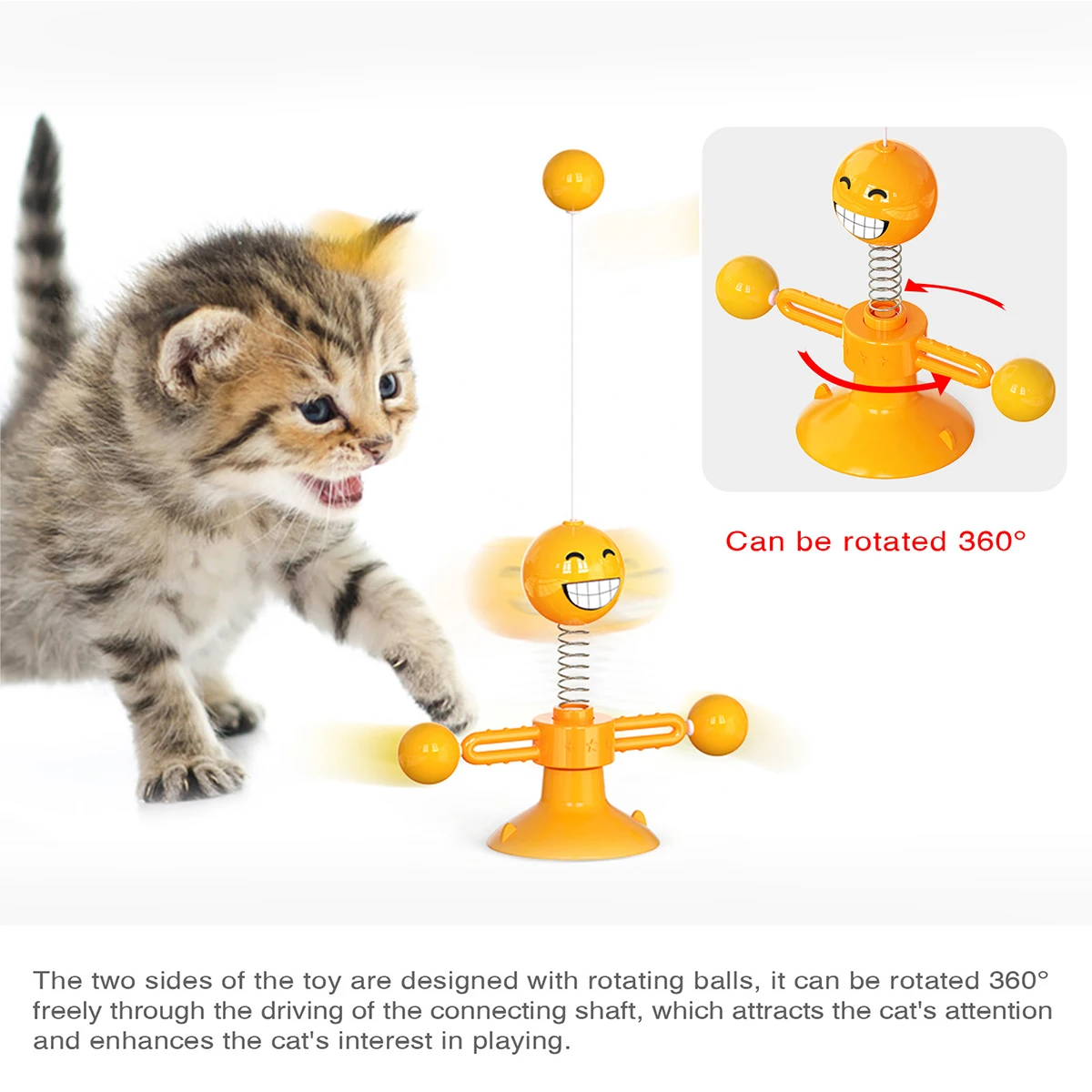 Plush Toys
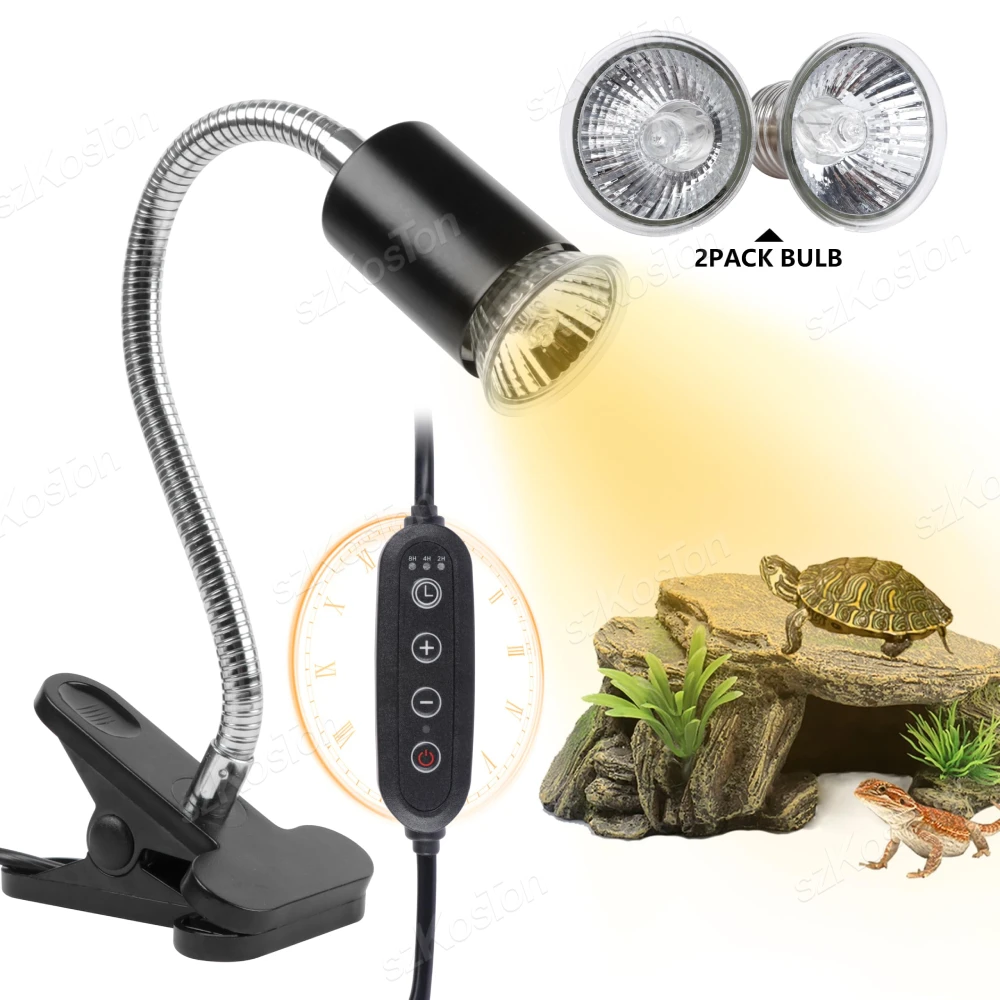 Reptile Supplies
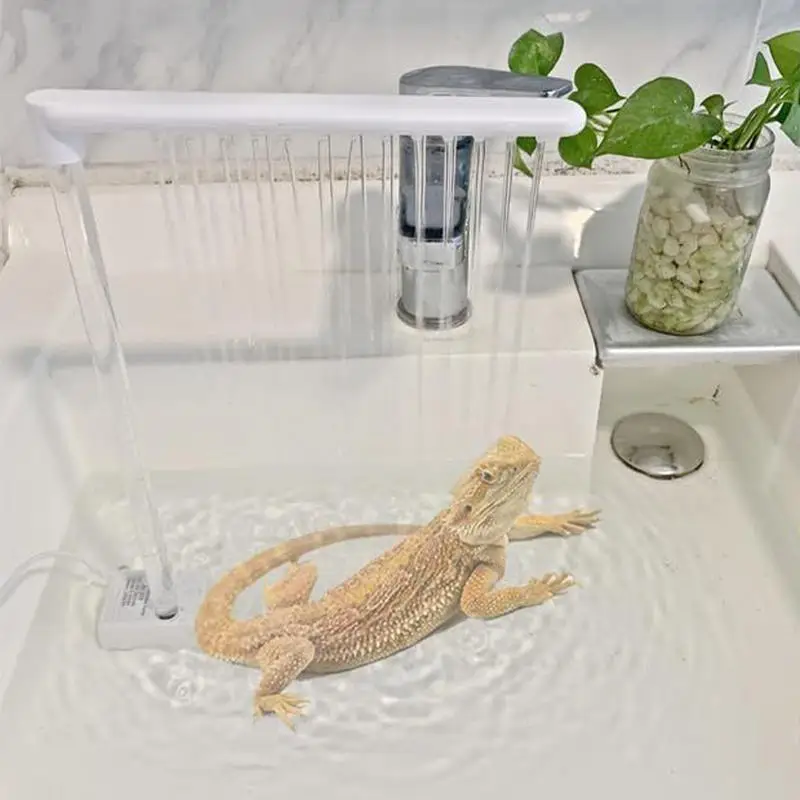 Reptile Accessories
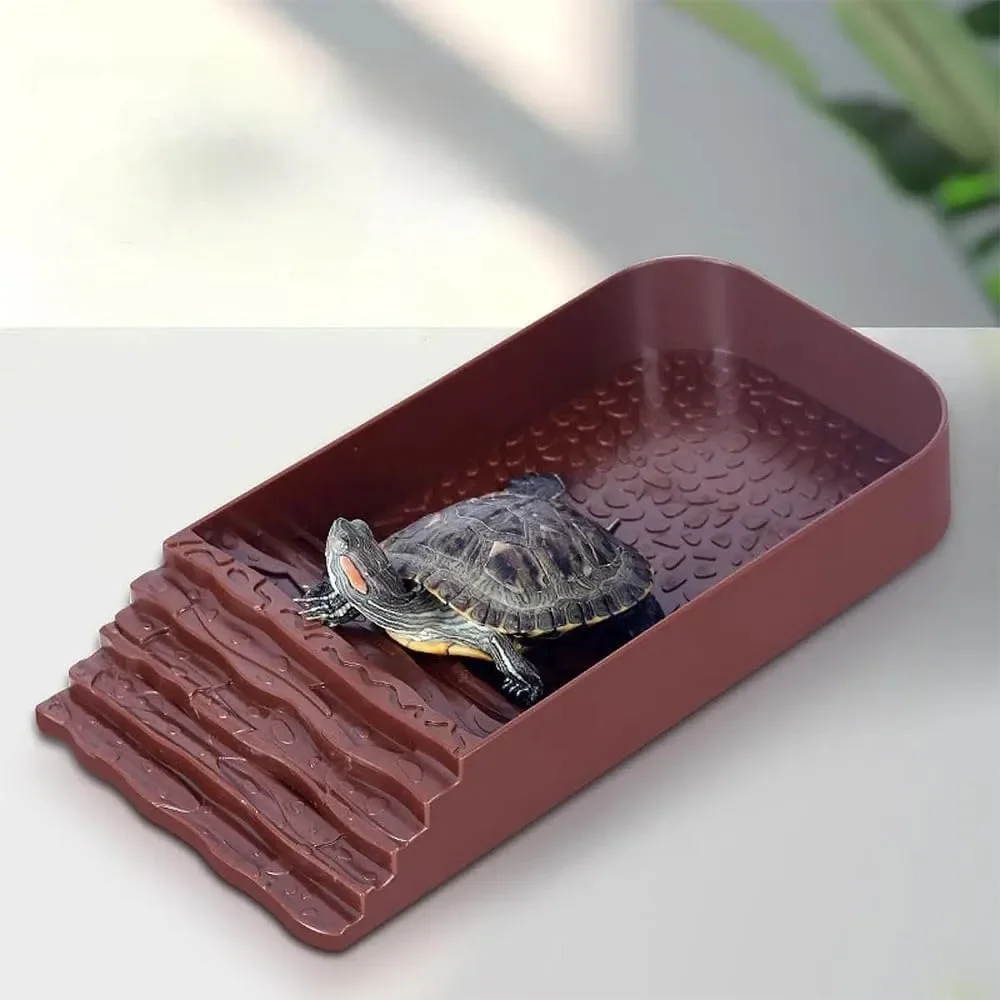 Reptile Feeders & Bowls
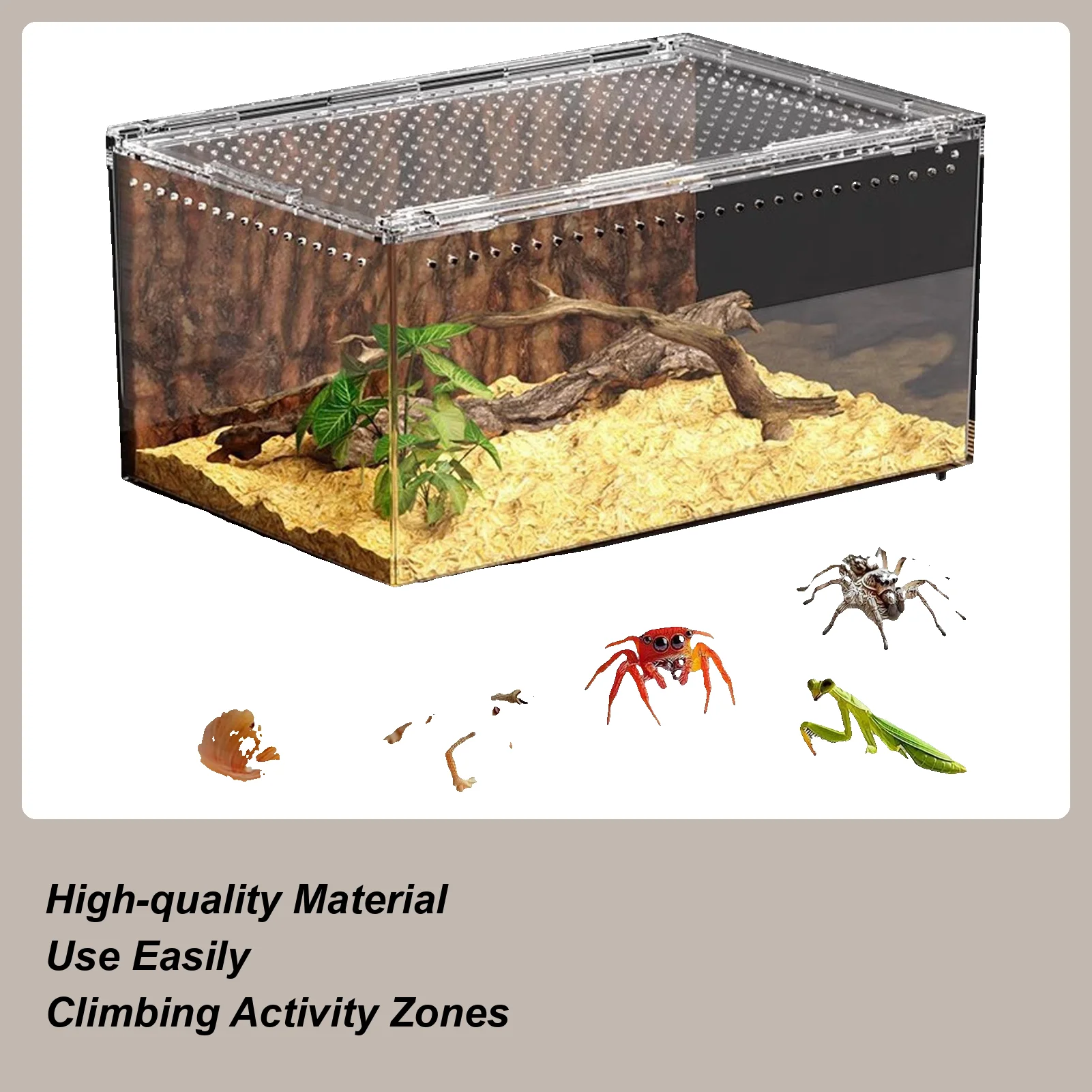 Reptile Habitats & Terrariums
 Reptile Heating & Lighting
 Reptile Hideouts & Decor
 Reptile Humidity & Climate
 Portable Water Bottles
 Travel Bags
Cat Water Fountain Stainless Steel or Plastic? How to Pick the Right Filter and Material
Cat Water Fountain Stainless Steel or Plastic? How to Pick the Right Filter and Material
Stainless steel fountains usually win on hygiene and durability, while the right filter setup matters most if you want cleaner water with manageable maintenance. If you want the short version: choose stainless steel for easier sanitation, choose ceramic if appearance and low-odor surfaces matter more than portability, and choose plastic only when budget matters and you are willing to clean more often.
The trick is that material and filter choice work together. A great cat water fountain can still become annoying if the pump is loud, the filters are hard to replace, or the basin has corners that collect slime. So the smarter question is not just “stainless steel or plastic?” but “which combination of material, filter, and upkeep fits your cat and your routine?”
Quick Answer: Which Material Is Better?
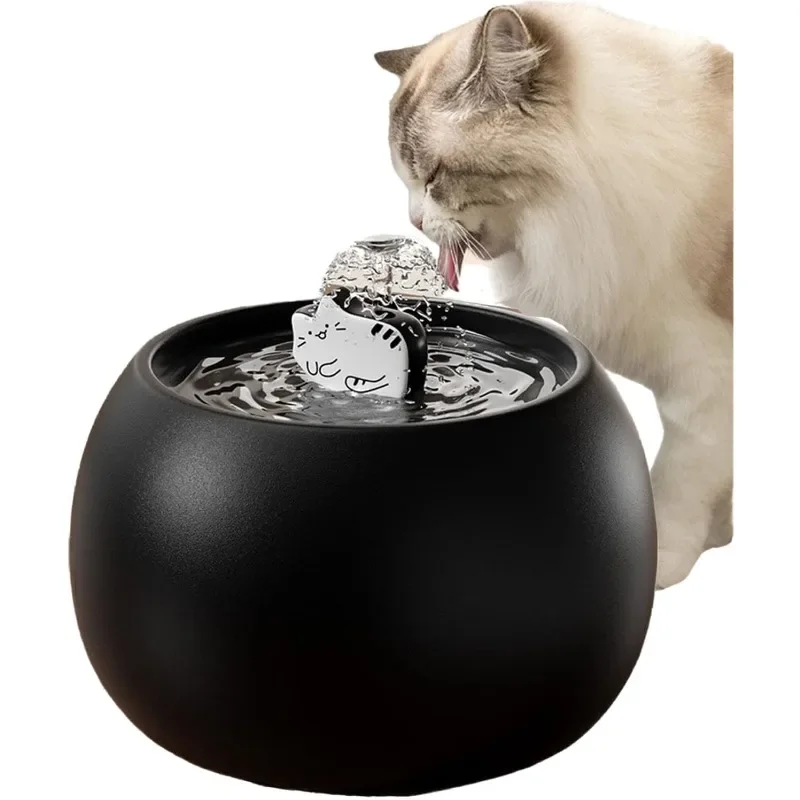
For most households, a cat water fountain stainless steel model is the safer default buy because it is easier to sanitize, resists scratches better than plastic, and tends to feel more durable over time. Plastic fountains can still work, but they are better for tighter budgets than for owners who hate frequent deep cleaning. A cat water fountain ceramic option can also be excellent for hygiene, but it is heavier and easier to chip.
Comparison Table: Stainless Steel vs Plastic vs Ceramic
| Factor | Stainless Steel | Plastic | Ceramic |
|---|---|---|---|
| Hygiene | Excellent, easy to sanitize | Fair to good, but scratches can trap residue | Excellent when glaze stays intact |
| Durability | Strong, dent-resistant in normal home use | Light but easier to scratch or stain | Heavy and stable, but can chip or crack |
| Weight | Moderate | Lightest | Heaviest |
| Noise control | Usually good when built well and seated properly | Varies a lot by build quality | Often quiet because of weight and stability |
| Cleaning effort | Usually easiest | Often highest over time | Easy basin cleaning, but heavier to handle |
| Best fit | Most cat homes, especially daily-use homes | Budget buyers or trial buyers | Owners who want style and weight stability |
| Multi-pet use | Very good | Acceptable if capacity is large enough | Good, but heavier to move and refill |
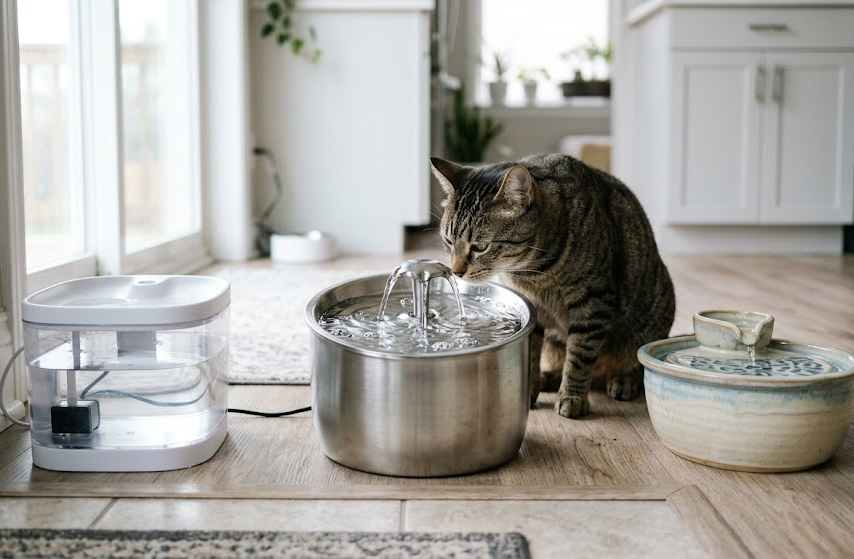
Stainless Steel vs Plastic: The Real Pros and Cons
Why stainless steel usually wins
Stainless steel is popular for a reason. It is less likely to hold odor, easier to wipe down thoroughly, and less likely to develop the fine surface wear that makes older plastic fountains feel grimy even after cleaning. That matters if your cat is picky about water freshness or if you want a fountain you can clean fast without feeling like you are scrubbing forever.
A stainless steel fountain also tends to make more sense in busy homes because it holds up well to constant rinsing, filter changes, and regular pump removal. For owners comparing noise, hygiene, and longevity all at once, a 2L stainless steel cat water fountain for multiple pets is the kind of design that fits the strongest decision criteria: easy-to-clean material, useful capacity, and a quieter setup for cats that dislike sudden mechanical noise.
Where plastic still makes sense
Plastic is not automatically bad. A well-made plastic cat water fountain can still be a perfectly reasonable starter option if you are testing whether your cat even likes running water. It is lighter, often cheaper, and easier to move around the house.
The downside is long-term maintenance. Plastic surfaces can pick up fine scratches from scrubbing, mineral deposits may become more visible, and some owners notice that plastic starts to look tired sooner than stainless steel or ceramic. If your cat has chin acne or skin sensitivity, many owners prefer to be more cautious with heavily used plastic bowls and fountains.
Where ceramic fits in
Ceramic fountains are often chosen by people who want something heavier, less likely to slide, and visually nicer on a countertop or feeding station. They can be a strong middle ground for hygiene because the glazed surface cleans well. The catch is practicality: ceramic is heavier to wash, easier to chip if dropped, and sometimes less convenient if you refill or move the fountain often.
How Filters Affect Water Quality and Maintenance
The cat water fountain filter matters almost as much as the basin material. In many fountains, the filter does several jobs at once:
- catches hair and larger debris before it reaches the pump
- helps reduce odor
- improves taste by reducing fine particles and impurities
- lowers the amount of visible buildup in the water path
That does not mean every filter system is equal. Some are simple foam pre-filters that mainly protect the pump. Others add activated carbon or multi-layer filter pads to improve water quality more noticeably.
Do you need a cat water fountain no filter model?
A cat water fountain no filter setup can work, but it shifts more work onto you. Without a filter, you need to clean the basin and pump more often, rinse away hair sooner, and accept that the water may look less fresh between full washes. For very disciplined owners, that may be fine. For most people, a filter is a useful convenience because it reduces visible mess and helps the fountain stay pleasant between cleanings.
The best filter setup depends on your tolerance for upkeep
If you want less hands-on maintenance, choose a fountain with:
- easy-to-find replacement filters
- a simple filter housing that does not fight you during reassembly
- a pump pre-filter or sponge to protect the motor
- clear replacement guidance instead of vague instructions
If replacement parts are hard to source, the fountain becomes a nuisance fast. A cheap unit with awkward filter refills can cost more in frustration than a better-built fountain with straightforward consumables.
Noise, Pump, and Replacement-Part Considerations
The pump is the hidden decision-maker in any cat water fountain. People often focus on the bowl material first, but a noisy or hard-to-clean pump ruins the experience no matter how good the housing looks.
What usually causes fountain noise?
Most noise complaints come from one of these issues:
- low water level
- trapped hair around the impeller
- a pump that is not seated correctly
- vibration against a thin or uneven base
- mineral buildup inside the pump chamber
Stainless steel and ceramic bodies often feel quieter partly because they are more stable, but the pump still does the real work. A fountain marketed as low noise is only worth trusting if the pump is easy to maintain and the water path does not clog quickly.
Replacement parts matter more than buyers expect
Ask these questions before buying:
- Can you buy filters without hunting through random listings?
- Is the pump a standard replacement size or a one-off part?
- Are spare foam filters or filter trays available?
- Does the fountain still work decently if a part needs replacing in six months?
These details matter more in daily use than flashy product photos.
Best Fit for One Cat vs Multi-Pet Homes
A single-cat home can get by with a smaller fountain if the cat drinks well and you refill consistently. But once you have two cats, a cat and a small dog, or one pet that drinks heavily, capacity and stability start to matter more.
One-cat home
A smaller plastic, ceramic, or stainless steel fountain may all work if:
- your cat is not a heavy shedder
- you do not mind more frequent refills
- the fountain comes apart easily for weekly cleaning
Multi-pet home
Multi-pet homes usually benefit more from stainless steel and higher capacity because:
- the fountain is used more often
- filters clog faster with shared use
- refill frequency matters more
- durability matters when the fountain runs all day, every day
That is why stainless steel often pulls ahead in practical buying guides. The more intense the usage, the more valuable easy sanitation and long-term durability become.
Cat Water Fountain Cleaning Routine and Hidden Upkeep Costs
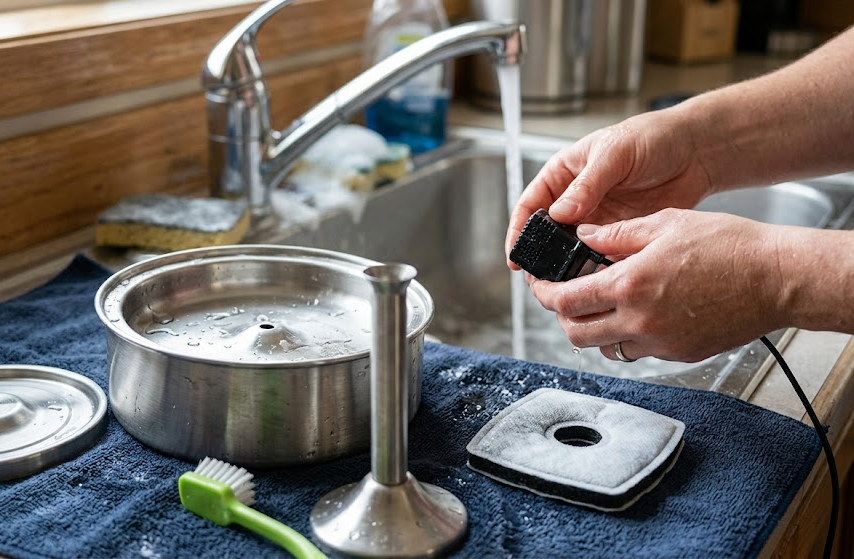
A lot of frustration with fountains comes from underestimating cat water fountain cleaning. Even a good fountain is not self-maintaining. Flowing water helps, but it does not remove biofilm, fur, dust, or mineral residue by magic.
A realistic maintenance checklist
Use this simple routine:
- top off water as needed so the pump does not run low
- rinse hair and visible debris every few days
- wash the basin and drinking surfaces weekly
- open and clean the pump on a regular schedule
- replace the filter based on use, water hardness, and manufacturer guidance
- deep clean corners, lids, and channels before slime buildup gets stubborn
The hidden costs buyers forget
The sticker price is only the beginning. Long-term cost also includes:
- replacement filters
- occasional pump replacement
- cleaning time
- descaling supplies if your water is hard
- the annoyance cost of a design that is awkward to reassemble
This is where material matters again. Stainless steel often costs a little more upfront, but it can feel cheaper over time if it cuts down on scrubbing and stays presentable longer.
How to Choose the Right Combination for Your Home
If you want the simplest rule set, use this:
- choose stainless steel if hygiene, durability, and easier cleanup are your top priorities
- choose plastic if budget matters most and you are okay with more maintenance trade-offs
- choose ceramic if you want a stable, attractive fountain and do not mind extra weight
- choose a filtered model if you want cleaner-looking water and less pump debris
- choose a no-filter model only if you truly prefer lower recurring cost over lower effort
Best buyer matches at a glance
Choose stainless steel if you:
- want the easiest balance of cleanliness and durability
- have multiple pets
- care about odor resistance
- do not want the fountain to look worn quickly
Choose plastic if you:
- want the lowest upfront price
- are testing whether your cat likes fountains at all
- do not mind replacing the unit sooner if needed
Choose ceramic if you:
- want a heavier, more decorative fountain
- prefer a stable base that feels substantial
- do not mind extra care when washing and moving it
Final Verdict
For most shoppers, stainless steel is the better cat water fountain material because it is easier to keep hygienic, holds up well, and usually makes more sense for frequent daily use. Plastic is workable, but it is more of a budget compromise than a long-term favorite. Ceramic can be excellent too, especially for style-conscious buyers, but it is less convenient for many households.
Summary Takeaway
If you want the safest default purchase, buy a stainless steel fountain with an easy-to-replace filter and a pump you can clean without tools. That combination gives you the best odds of cleaner water, quieter operation, and less maintenance friction.
FAQ
Is stainless steel better than plastic for a cat water fountain?
Usually yes. Stainless steel is generally easier to sanitize, less likely to hold odor, and more durable over time than plastic.
Do cat water fountains need filters?
Not always, but filters help a lot. They reduce debris, support better water clarity, and lower the amount of mess that reaches the pump.
How often should fountain filters be replaced?
It depends on the fountain, the filter type, your water quality, and how many pets use it. In heavier-use homes, replacement usually needs to happen sooner rather than later.
Is ceramic better than stainless steel?
Not across the board. Ceramic is attractive and hygienic, but stainless steel is usually lighter, tougher, and more practical for frequent cleaning.
What matters most besides material?
Pump maintenance, replacement filter availability, cleaning access, and stable everyday noise levels matter just as much as the main body material.