 Bird Supplies
 Bird Accessories
 Bird Cages & Carriers
 Bird Feeders
 Bird Nests & Beds
 Bird Toys
 Feeding Supplies
 Automatic Feeders
 Feeding Mats
 Pet Bowls
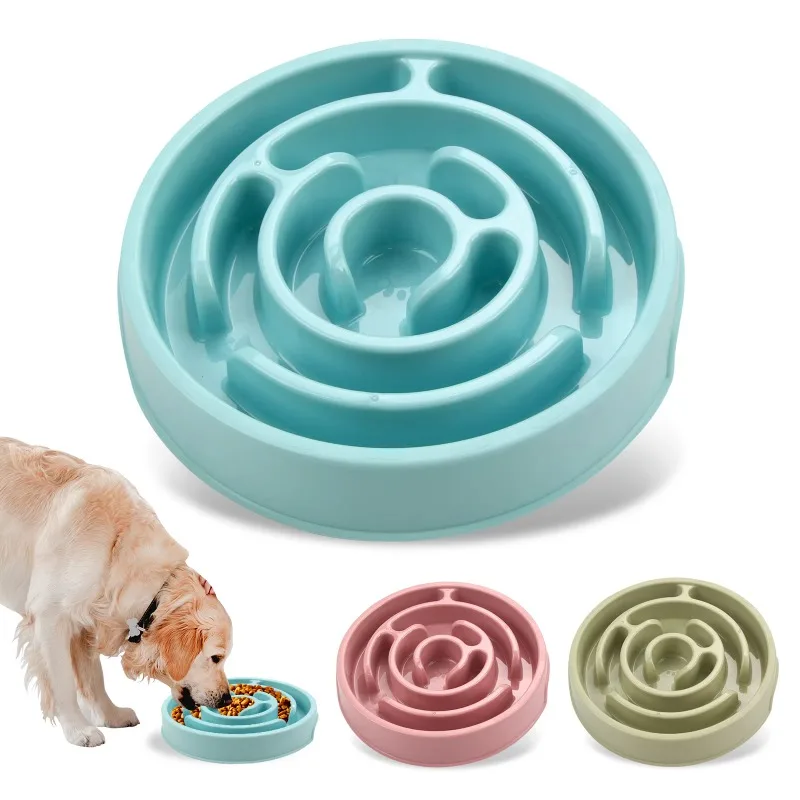 Slow Feed Bowls
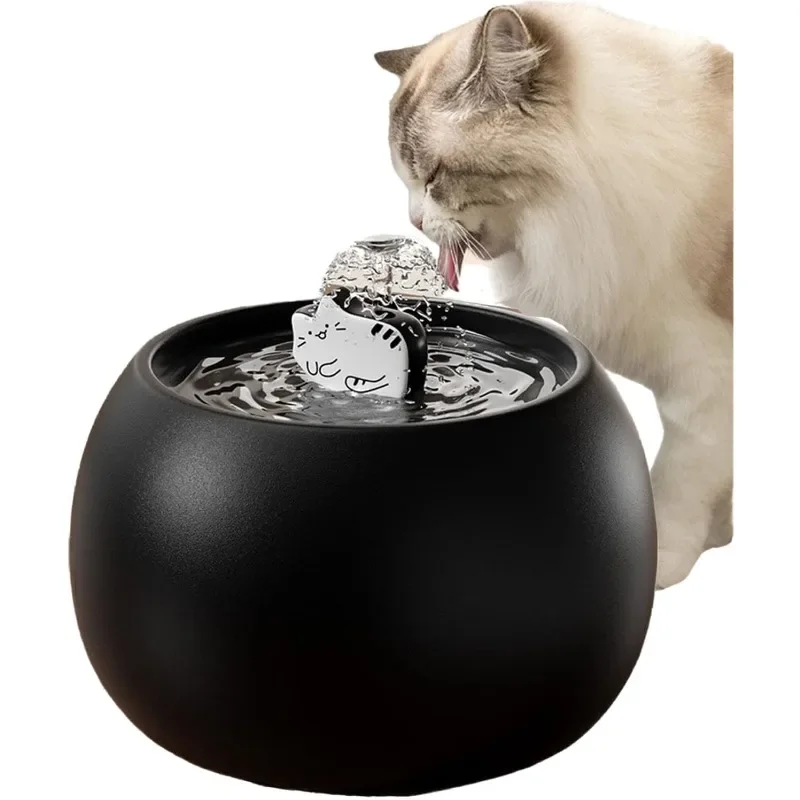 Water Dispensers
 Grooming & Care
 Cleaning Tools
 Grooming Gloves
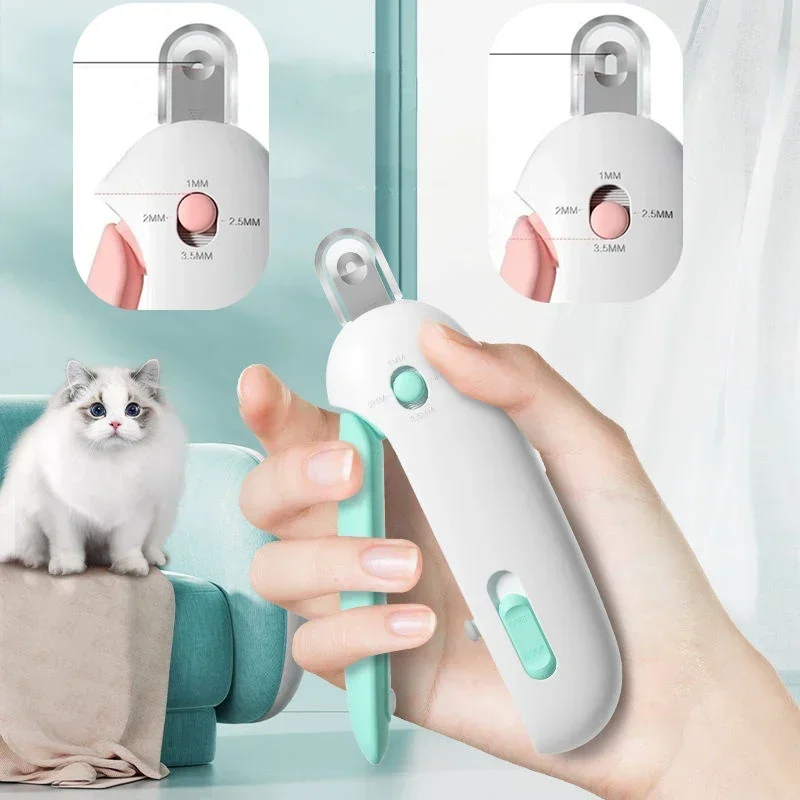 Nail Clippers
 Pet Brushes
 Other
Other Pet Accessories
 Harnesses
 Leashes
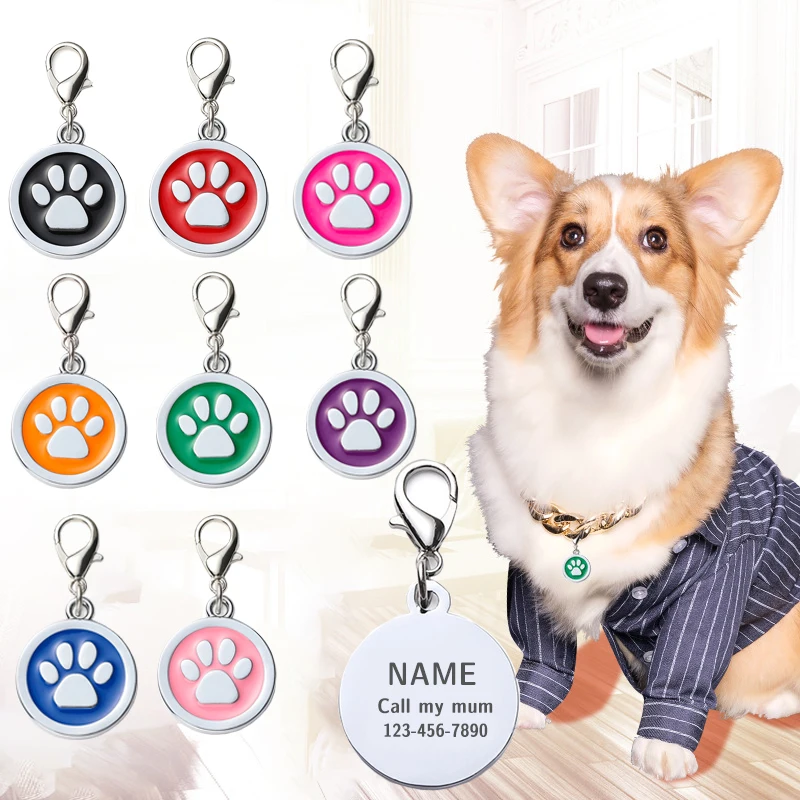 Tags
Tags Pet Apparel
 Cat Apparel
 Pet Costumes
 Pet Diapers
 Pet Life Jackets
 Pet Homes & Crates
 Cat Trees & Scratching Furniture
 Dog Crates
 Indoor Pet Houses
 Pet Beds & Houses
 Pet Carriers
 Small Pet Habitats
 Pet Toys
 Cat Toys
 Dog Toys
 Interactive Toys
 Plush Toys
 Reptile Supplies
 Reptile Accessories
 Reptile Feeders & Bowls
 Reptile Habitats & Terrariums
 Reptile Heating & Lighting
 Reptile Hideouts & Decor
 Reptile Humidity & Climate
 Portable Water Bottles
 Travel Bags
Dog Collar With Name Plate or Tag: Which Is Better for Everyday Use?
Dog Collar With Name Plate or Tag: Which Is Better for Everyday Use?
If you want the short answer, a dog collar with name plate is usually better for quiet, low-maintenance everyday use, while dog collar tags are better when you want easy updates, more flexible information, or a backup ID layer. For most dogs that wear the same collar daily, the most practical choice is a comfortable everyday collar with engraved identification plus a tag only when you genuinely need extra details.
Choosing between a dog collar with name plate or a hanging tag sounds minor until you live with the collar every day. Noise, snag risk, readability, and how often you need to update contact details all matter more than buyers expect. A setup that looks fine in product photos can become annoying on daily walks, during naps, or when your dog plays hard.
Name Plate vs Hanging Tag: The Short Answer
Here is the simplest way to think about it:
- Choose a name plate if you want a quieter, lower-fuss everyday dog collar.
- Choose a hanging tag if you want to replace or update ID information quickly.
- Choose both if your dog is escape-prone, frequently outdoors, or you want a main ID plus a backup.
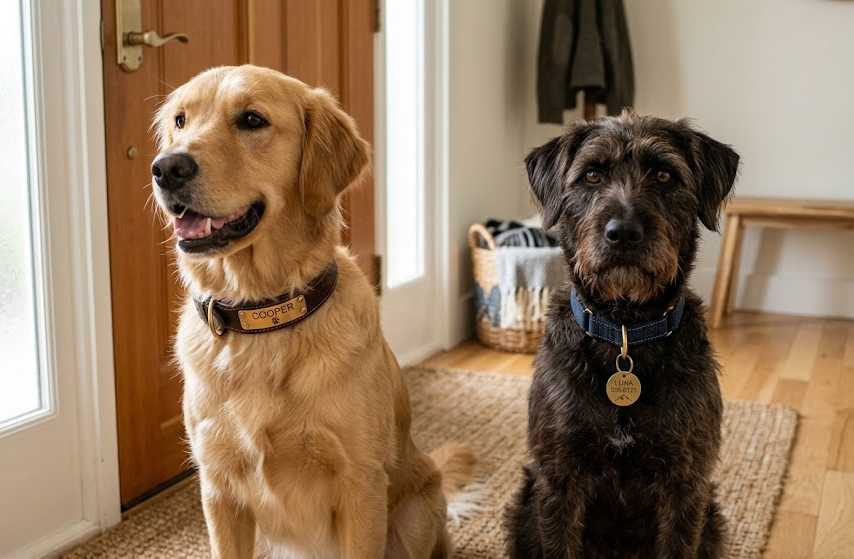
For many households, the best everyday answer is a personalized dog collar that keeps essential ID information attached to the collar itself. That reduces jingling, lowers the chance of the tag catching on crates or furniture, and makes the collar feel more streamlined for all-day wear.
Quick Comparison Table
| Feature | Name Plate Collar | Hanging Tag Collar |
|---|---|---|
| Noise | Quiet | Can jingle with movement |
| Daily maintenance | Low | Moderate |
| Readability over time | Good if engraving stays clean | Good if tag remains flat and unscratched |
| Easy to update | Lower | Higher |
| Snag risk | Lower | Higher |
| Best for | Everyday wear, indoor/outdoor routine, active movement | Temporary info changes, extra details, backup ID |
Noise, Durability, and Readability Differences
Noise matters more than many owners expect
A hanging tag creates a familiar jingle, but not everyone enjoys it. Some dogs ignore it. Others scratch at the collar, especially indoors or while settling down to sleep. If your dog wears the collar at home as well as outside, a name plate feels cleaner and quieter.
That is one reason many owners lean toward a dog collar with name built into the collar itself. The collar stays simpler, and you do not have metal pieces tapping against bowls, crates, or flooring all day.
Durability depends on how your dog moves
For calm dogs, either setup can work well. For active dogs, durability becomes more important:
- A hanging tag can bend, scratch, or loosen over time.
- Split rings can wear out or open if the dog is rough on the collar.
- A name plate stays flatter against the collar and is less likely to flap during play.
- A plate does rely on the collar staying in good condition, because the ID is attached to that specific collar.
If your dog runs hard, wrestles with other dogs, or goes on frequent outdoor adventures, a name plate often wins on everyday practicality because there is simply less to swing, snag, or fall off.
Readability is about maintenance, not just engraving
Both systems can be readable when new. The real test is what happens after dirt, friction, and weather exposure. A hanging tag may collect scratches on both sides. A name plate may stay neater, but small text can still become harder to read if the plate is narrow or overfilled.
A good rule is to keep the information short and essential:
- dog name
- one phone number
- optionally a second phone number
Trying to cram too much into a small ID area can make both formats worse.
What Works Better for Daily Walks and Home Wear
For a true everyday dog collar, name plates usually make more sense. They reduce clutter and feel better suited to dogs that wear one collar for walks, rest time, and normal household movement.
A plate-style ID setup is especially practical when you want the collar to be:
- comfortable for long wear
- quiet in the house
- less likely to catch on bedding, crates, or play equipment
- visually cleaner for a personalized look
That is also where a well-made personalized dog collar with engraved ID details can make sense, because it combines identification with a collar intended to be worn daily instead of adding another dangling accessory afterward.
When daily use favors a hanging tag instead
A hanging tag still works well for everyday use when your ID details change often. That matters more than people think in situations like:
- recently moved households
- temporary travel stays
- foster dogs
- shared custody arrangements
- puppies whose main collar will be replaced soon
If you expect to swap collars or update information repeatedly, a tag is more convenient and usually cheaper to replace.
When a Hanging Tag Is Still the Better Option
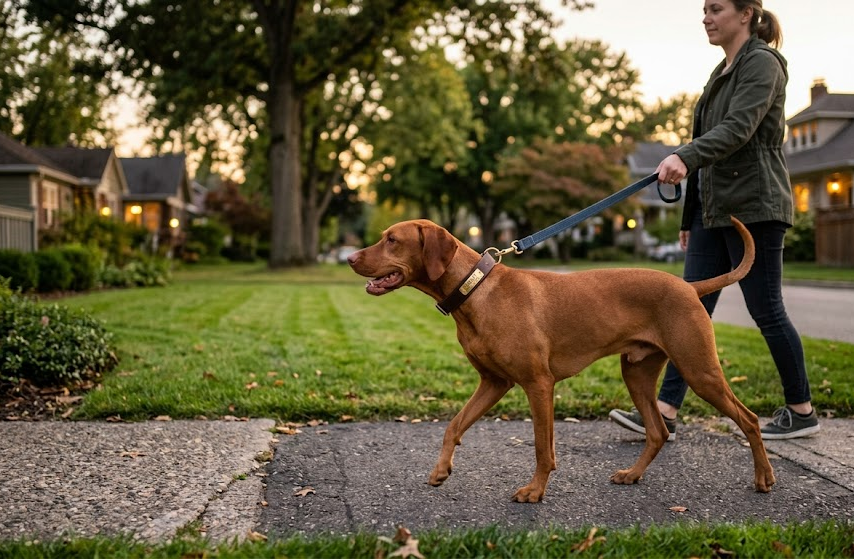
A hanging tag is the better choice when flexibility matters more than sleekness. That includes owners who want:
- multiple contact numbers
- medical alert information
- temporary travel information
- the ability to move one tag between several collars or harnesses
It can also be the right choice if you like using a separate harness for walks and only a light collar at home. In that setup, a portable tag may be easier than engraving several pieces of gear.
Pros and cons list
Name plate pros
- quieter for home wear
- lower snag risk
- cleaner everyday look
- less likely to drop off during movement
Name plate cons
- harder to update quickly
- tied to one collar
- limited space for extra details
Hanging tag pros
- easy to replace or update
- more flexible across collars or harnesses
- useful for extra information
Hanging tag cons
- can jingle
- can scratch or wear down
- more likely to catch or detach over time
Sizing and Comfort Considerations
No ID method fixes a collar that fits poorly. Before choosing between a name plate and tag, make sure the collar itself matches your dog’s size, coat, and normal routine.
A few fit rules matter most
- You should be able to fit two fingers under the collar comfortably.
- Long-coated dogs may need extra attention so the plate does not bury into fur and become unreadable.
- Tiny dogs and puppies often do better with lighter hardware.
- Very heavy tags can feel awkward on small breeds.
For small dogs, a bulky hanging tag can swing more dramatically than owners expect. For larger dogs, oversized metal hardware can still become noisy and irritating if the collar is worn indoors all day.
Best Setup for Puppies, Active Dogs, and Escape-Prone Dogs
Puppies
Puppies grow fast, so a hanging tag often makes more sense at first. You can move it from one collar to another while sizing changes. Once growth slows, many owners switch to a dog collar with name plate for a simpler long-term setup.
Active dogs
Active dogs usually benefit from a name plate because it stays flatter and is less likely to bounce around during running, rough play, or frequent outdoor activity.
Escape-prone dogs
Escape-prone dogs are the strongest case for layered identification. In that situation, the best answer is often not name plate or tag, but name plate plus tag. The plate covers the basics on the collar, and the hanging tag can carry a second number or extra recovery information.
Which Is Better for Everyday Use?
For most owners, a dog collar with name plate is better for everyday use because it is quieter, simpler, and easier to live with day after day. A hanging tag is still useful when you need flexibility, extra details, or a temporary identification solution.
The right choice depends on what you value most:
- choose name plate for quiet, low-maintenance daily wear
- choose tag for flexibility and easy updates
- choose both for higher-risk dogs or more complete identification
Summary Takeaway
If your dog wears the same collar every day, a name plate is usually the more practical option. If your contact details change often or you want to move ID between collars, a hanging tag stays useful. And if your dog is especially active or likely to slip away, combining both gives you the strongest everyday backup.
FAQ
Is a dog collar name plate safer than a hanging tag?
In many everyday situations, yes. A name plate is usually safer from snagging and less likely to detach because it sits flat against the collar. That said, overall safety still depends on collar fit, hardware quality, and how your dog uses the collar.
Do dog tags fall off more easily than name plates?
They can. Hanging tags rely on rings and attachment points that may loosen or wear over time. A name plate is generally more stable, especially for active dogs.
What information should go on a dog collar name plate?
Keep it simple: your dog’s name and at least one current phone number. If space allows, a second phone number is often more useful than adding too much extra wording.
Are personalized collars good for active dogs?
Yes, especially when the personalization is engraved on a fixed plate instead of hanging loosely. For active dogs, that flatter setup is often easier to manage during daily movement.