 Bird Supplies
 Bird Accessories
 Bird Cages & Carriers
 Bird Feeders
 Bird Nests & Beds
 Bird Toys
 Feeding Supplies
 Automatic Feeders
 Feeding Mats
 Pet Bowls
 Slow Feed Bowls
 Water Dispensers
 Grooming & Care
 Cleaning Tools
 Grooming Gloves
 Nail Clippers
 Pet Brushes
 Other
Other Pet Accessories
 Harnesses
 Leashes
 Tags
Tags Pet Apparel
 Cat Apparel
 Pet Costumes
 Pet Diapers
 Pet Life Jackets
 Pet Homes & Crates
 Cat Trees & Scratching Furniture
 Dog Crates
 Indoor Pet Houses
 Pet Beds & Houses
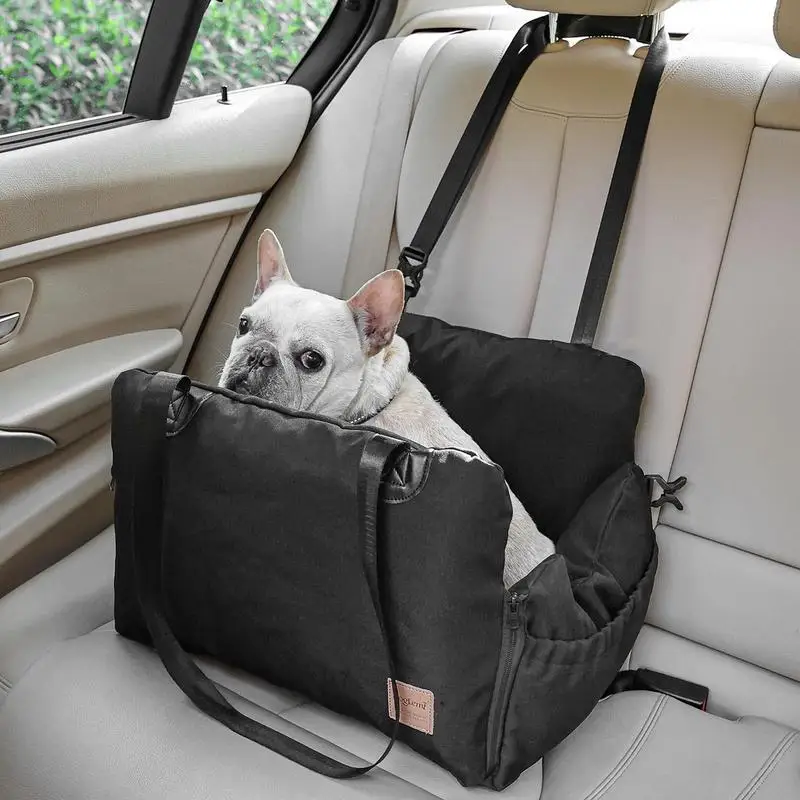 Pet Carriers
 Small Pet Habitats
 Pet Toys
 Cat Toys
 Dog Toys
 Interactive Toys
 Plush Toys
 Reptile Supplies
 Reptile Accessories
 Reptile Feeders & Bowls
 Reptile Habitats & Terrariums
 Reptile Heating & Lighting
 Reptile Hideouts & Decor
 Reptile Humidity & Climate
 Portable Water Bottles
 Travel Bags
How to Choose a Dog Seat Belt or Car Tether That Fits Your Dog and Vehicle
How to Choose a Dog Seat Belt or Car Tether That Fits Your Dog and Vehicle
If you want the shortest useful answer, the right dog seat belt or car tether depends on three things: your dog’s size, the restraint’s attachment style, and whether it works safely with both your vehicle and a proper harness.
A dog seat belt is often a short restraint that clips into the vehicle buckle or another anchor point, while a car tether usually refers more broadly to a strap that limits movement from a headrest post, ISOFIX/LATCH point, or seat-belt path. The best choice is not the one with the flashiest clip. It is the one that creates a secure, controlled range of motion without depending on a collar, a weak buckle fit, or too much slack.
Quick answer: how to choose the right setup
Quick answer
- Choose a buckle-style dog seat belt only if the clip shape is compatible with your vehicle and the restraint is meant to connect to a harness, not a collar.
- Choose a headrest or anchor-point tether if you want broader vehicle compatibility and more predictable fit across different cars.
- Choose a heavier-duty restraint for large dogs, strong pullers, or dogs that lunge when the car stops.
- Keep the tether short enough to prevent front-seat access, but long enough for your dog to sit and lie down comfortably.
Summary takeaway
For most buyers, the safest path is a restraint that attaches to a well-fitted harness and matches a known vehicle anchor point rather than assuming every dog seat belt clip is universal.
Dog seat belt vs tether: what each one means
A lot of confusion comes from product names. Stores may label several different restraints as a dog seat belt, even when they attach in different ways.
| Type | How it attaches | Best for | Main caution |
|---|---|---|---|
| Buckle-style dog seat belt | Clicks into vehicle seat belt buckle | Simple setups in compatible cars | Clip shape is not universal across every vehicle |
| Headrest tether | Wraps around headrest posts | Drivers who want easier cross-vehicle fit | Needs correct height and secure strap routing |
| Seat-belt loop tether | Threads through vehicle seat belt | Owners who prefer using the car’s own belt path | Can be awkward if the routing is too long or twists |
| Dual-dog travel restraint | Single anchor with split leads for two harnesses | Two-dog back seat travel | Needs balanced dog sizes and limited tangling |
The practical difference is this: a seat belt clip depends on matching your vehicle buckle, while a tether often depends more on strap length, anchor stability, and harness connection. That is why a headrest attachment can be more flexible from one vehicle to another, but a buckle-style restraint can feel cleaner when the clip truly fits.
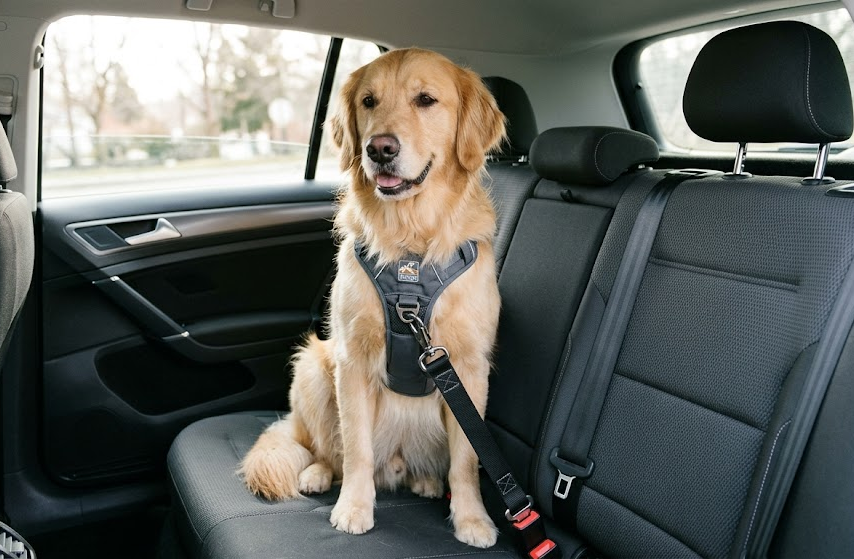
Fit checklist: match the restraint to your dog’s size and behavior
A restraint that looks fine in a product photo may be a bad fit for a large dog, a puppy, or a dog that spins and lunges during braking.
Small dogs
Small dogs usually need lighter hardware and shorter adjustment ranges. If the tether is too long, a small dog can slide off the seat edge or build too much momentum before the restraint catches.
Medium dogs
Medium dogs are often the easiest fit, but they still need the right balance between freedom and control. The tether should let them sit, stand briefly, and lie down without turning the whole back seat into roaming space.
Large dogs
For large dogs, a flimsy clip or narrow strap is where mistakes start. A dog seat belt for large dogs should have stronger webbing, sturdier metal hardware, and a shorter working range. Bigger dogs generate more force in sudden stops, so hardware strength matters more than convenience.
Behavior matters as much as weight
Even a medium dog may need a heavier-duty restraint if the dog lunges at windows, panics in traffic, or tries to climb into the front. Force comes from motion, not just body size.
If you are traveling with two dogs, a product like this double dog car harness safety seatbelt restraint can make sense when both dogs ride in harnesses and you need one organized back-seat anchor instead of loose separate leads.
Vehicle attachment points to check before buying
Compatibility problems usually happen because buyers focus on the dog and forget the car.
1. Vehicle buckle shape
A dog seat belt clip is not always universal. Some vehicles accept a standard-looking insert, while others use a slightly different buckle geometry that makes the clip loose, hard to latch, or unusable.
2. Headrest post design
A headrest tether works best when your rear-seat headrest has exposed metal posts and enough clearance for the strap to wrap securely. Some vehicles have integrated or unusually shaped headrests that limit this option.
3. Seat layout and dog position
Think about whether your dog rides on a bench seat, in a booster, or next to another passenger. The restraint should keep your dog in the rear seating zone without crossing awkwardly over people, armrests, or cargo.
4. Belt path length
If you use a seat-belt loop design, too much distance between the anchor point and the harness can leave extra slack. Extra slack means more movement before restraint, which reduces control.
Harness compatibility and clip style
This is the non-negotiable part: a dog seat belt or car tether should attach to a dog harness, not a collar.
A collar concentrates force around the neck. A harness spreads force more safely across the chest and body. That does not make any setup crash-proof, but it is the better baseline for in-car restraint.
Check these harness details before buying
- A sturdy back attachment point that can take tension
- A harness that fits snugly without twisting
- Metal hardware if you need a stronger setup for a bigger dog
- Enough adjustment to prevent the dog from slipping out during movement
A harness and restraint are a pair. A strong tether attached to a poor harness is still a weak system.
Length adjustment and movement control
The best dog safety belt for car use is usually not the longest one. It is the one that gives your dog controlled comfort.
Good length adjustment should allow your dog to:
- sit naturally
- lie down comfortably
- reposition slightly during the ride
- stay out of the front seat
- avoid stepping off the seat into the footwell
Too much slack creates avoidable problems
When a tether is too long, dogs can tangle, turn around repeatedly, jump toward open doors, or build up more force during sudden braking. A shorter, better-controlled range usually creates a calmer ride.
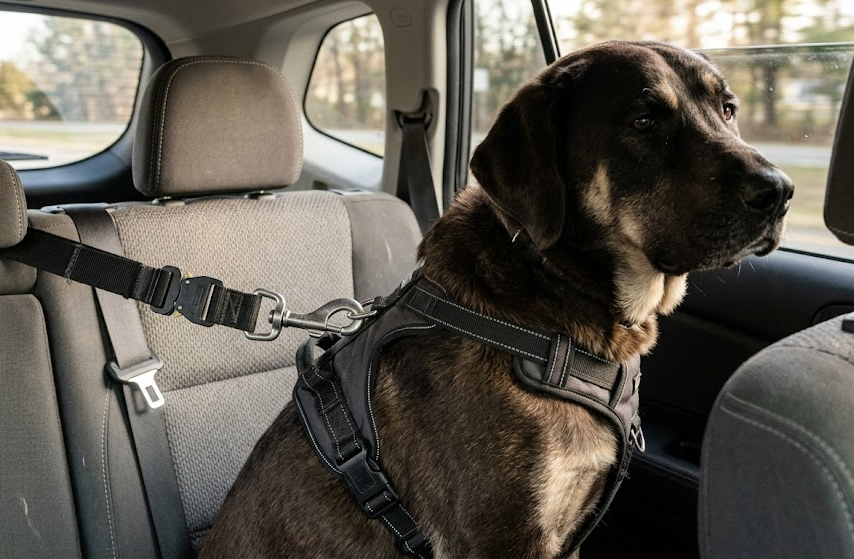
Setup steps before the first trip
- Fit the harness snugly while your dog is standing.
- Attach the restraint to the chosen vehicle anchor point.
- Clip the other end to the harness back connection.
- Shorten the tether until your dog can sit and lie down but cannot reach the front seat.
- Do a short test drive before using it for longer trips.
- Recheck hardware after the first few rides, especially with a large dog or a chewer.
Mistakes that make car restraints less effective
- Attaching the restraint to a collar instead of a harness
- Assuming the buckle clip is universal without testing your vehicle
- Choosing based only on strap length, not hardware strength
- Leaving enough slack for the dog to jump into the front seat
- Ignoring headrest shape or anchor-point layout
- Using a two-dog setup when the dogs differ too much in size or behavior
Final recommendation
If your priority is broad compatibility, a headrest or anchor-style car tether used with a proper harness is often the easiest safe starting point. If your vehicle is known to accept the clip correctly, a buckle-style dog seat belt can work well for simple daily travel.
The best buying decision is the one that answers three fit questions clearly:
- Does it attach securely in your vehicle?
- Does it match your dog’s size and behavior?
- Does it connect to a well-fitted harness with a controlled length?
If the answer to any of those is uncertain, keep shopping. Compatibility matters more than clever packaging.
FAQ
Does a dog seat belt need a harness instead of a collar?
Yes. A dog seat belt should attach to a harness rather than a collar because a harness spreads force across the body more safely and reduces neck strain.
Are dog seat belt clips universal for every car?
No. Some seat belt clips fit many vehicles, but they are not truly universal. Vehicle buckle shape can vary enough to create poor fit or no fit at all.
What is the difference between a dog seat belt and a tether?
A dog seat belt often describes a short restraint that clips into the vehicle buckle, while a tether is a broader term for a strap that connects the harness to a headrest, anchor point, or seat-belt path.
How long should a dog car tether be?
It should be long enough for your dog to sit and lie down comfortably, but short enough to keep the dog out of the front seat and reduce excess movement during the ride.