 Bird Supplies
 Bird Accessories
 Bird Cages & Carriers
 Bird Feeders
 Bird Nests & Beds
 Bird Toys
 Feeding Supplies
 Automatic Feeders
 Feeding Mats
 Pet Bowls
 Slow Feed Bowls
 Water Dispensers
 Grooming & Care
 Cleaning Tools
 Grooming Gloves
 Nail Clippers
 Pet Brushes
 Other
Other Pet Accessories
 Harnesses
 Leashes
 Tags
Tags Pet Apparel
 Cat Apparel
 Pet Costumes
 Pet Diapers
 Pet Life Jackets
 Pet Homes & Crates
 Cat Trees & Scratching Furniture
 Dog Crates
 Indoor Pet Houses
 Pet Beds & Houses
 Pet Carriers
 Small Pet Habitats
 Pet Toys
 Cat Toys
 Dog Toys
 Interactive Toys
 Plush Toys
 Reptile Supplies
 Reptile Accessories
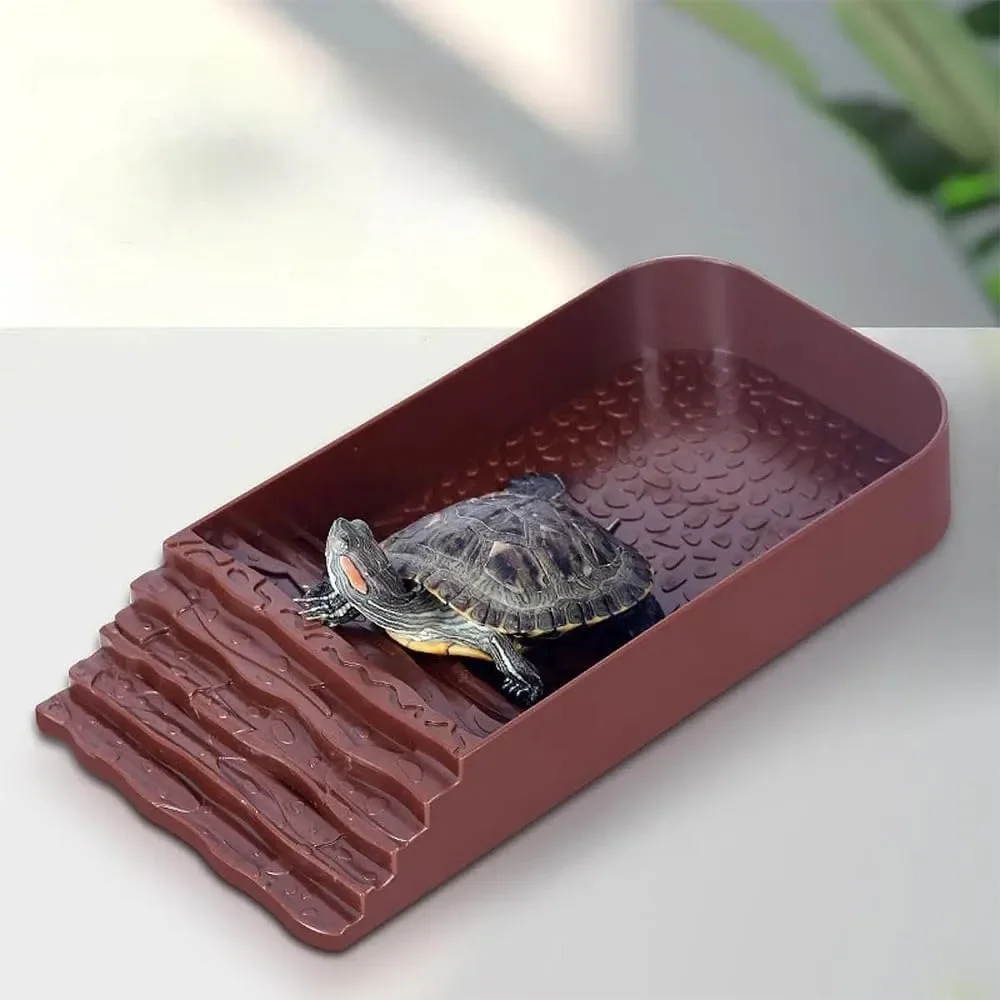 Reptile Feeders & Bowls
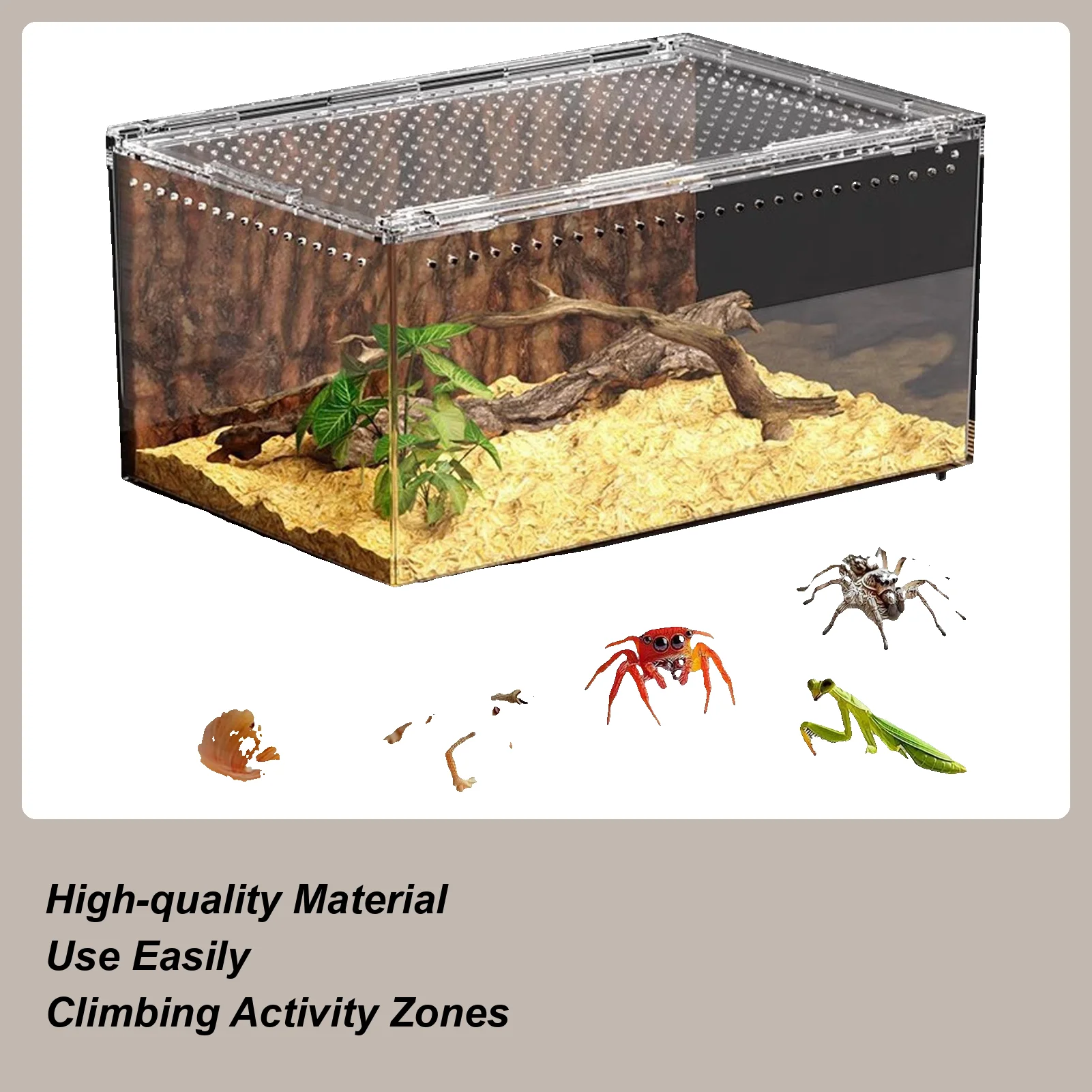 Reptile Habitats & Terrariums
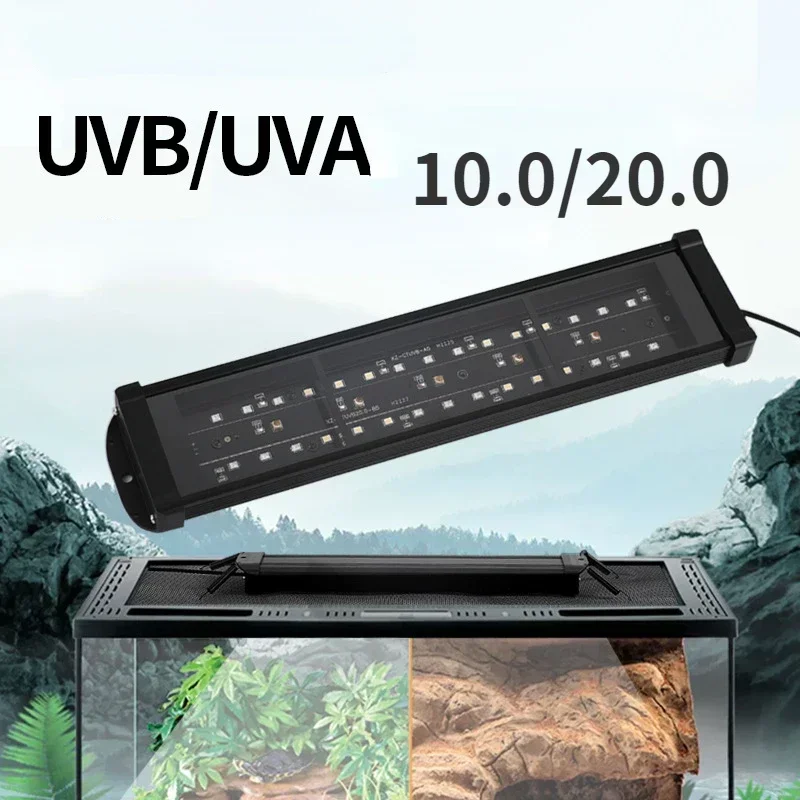 Reptile Heating & Lighting
 Reptile Hideouts & Decor
 Reptile Humidity & Climate
 Portable Water Bottles
 Travel Bags
Best Pet Water Dispenser Features for Filters, Refills, and Easy Cleaning
Best Pet Water Dispenser Features for Filters, Refills, and Easy Cleaning
The best pet water dispenser is the one with a cleaning routine, refill size, and filter setup that fits your pet count and daily maintenance tolerance. If you want fresher water and do not mind replacing filters and rinsing a pump, a filtered automatic fountain is often the best fit; if you want the simplest upkeep, a gravity dispenser with fewer parts is usually easier to live with.
Pet owners often shop for a pet water dispenser by style first, but daily maintenance matters more than appearance. A dispenser that looks sleek can still become annoying if the pump traps slime, the tank is awkward to refill, or replacement filters are expensive and hard to match. The right choice depends on how often you want to clean, how many pets share the bowl, and whether you prefer moving water or a simple gravity-fed setup.
Quick answer: which pet water dispenser features matter most
If you are comparing options quickly, focus on these features first:
- Filter system: Decide whether you want cleaner-tasting circulating water badly enough to manage replacement filters.
- Pump design: Quiet, low-maintenance pumps are useful, but they add one more part that must be rinsed regularly.
- Refill capacity: Larger tanks reduce top-offs, which matters in multi-pet homes.
- Material: Stainless steel is usually easier to sanitize and less likely to hold odors than low-grade plastic.
- Disassembly: The easiest to clean pet water dispenser is the one that comes apart fast, with smooth surfaces and few tight corners.
- Power dependence: Gravity dispensers keep working without outlets, while powered fountains rely on a pump and cable.
Summary takeaway
Choose a pet water dispenser with filter when water freshness is your top priority, choose a gravity model when simplicity matters more, and choose pet water dispenser stainless steel models when easy cleaning and odor control are high on your list.
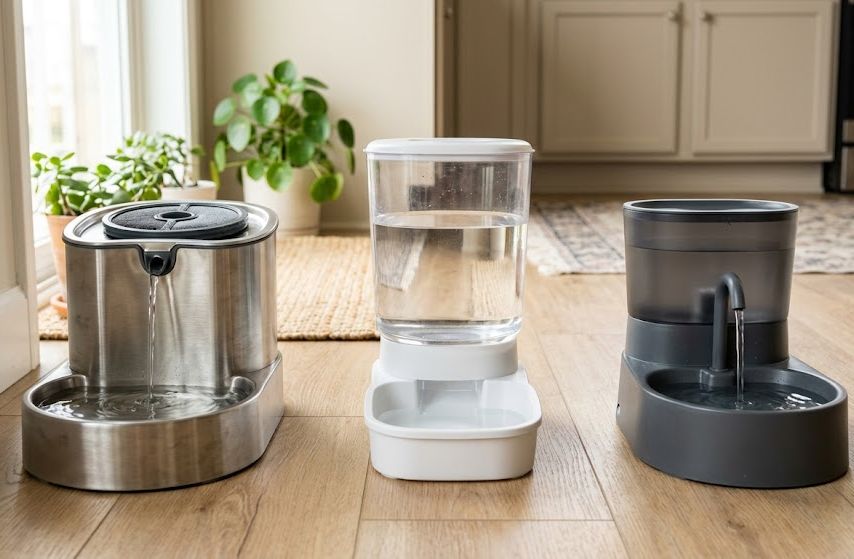
Comparison table: filtered fountain vs gravity dispenser vs pump-driven non-filter setup
| Type | Best for | Main pros | Main tradeoffs |
|---|---|---|---|
| Filtered automatic fountain | Pets that prefer moving water, owners who want fresher circulation | Better water freshness, can reduce debris, often quieter than expected | Needs filter refills, pump cleaning, and power |
| Gravity water dispenser | Busy households that want simple refills and fewer moving parts | No pump, simple setup, easy to understand instructions | Water does not circulate, bowl still needs frequent washing |
| Pump-driven non-filter dispenser | Owners who want moving water without recurring filter costs | Circulation without filter replacements, often lower long-term accessory cost | Pump still needs maintenance, less debris capture than filtered units |
Filter vs non-filter dispenser tradeoffs
A filter changes both the water experience and the maintenance routine. In a filtered automatic pet water dispenser, the filter can help catch hair, dust, and fine debris before they keep recirculating. That is especially helpful in homes with long-haired pets, multiple animals, or pets that track food crumbs into the bowl area.
But every filter-friendly design creates a supply commitment. You need to know:
- how often the filter should be replaced
- whether generic refills fit correctly
- whether the dispenser uses one filter, multiple layers, or a foam pre-filter around the pump
- how easy it is to reinstall the filter after cleaning
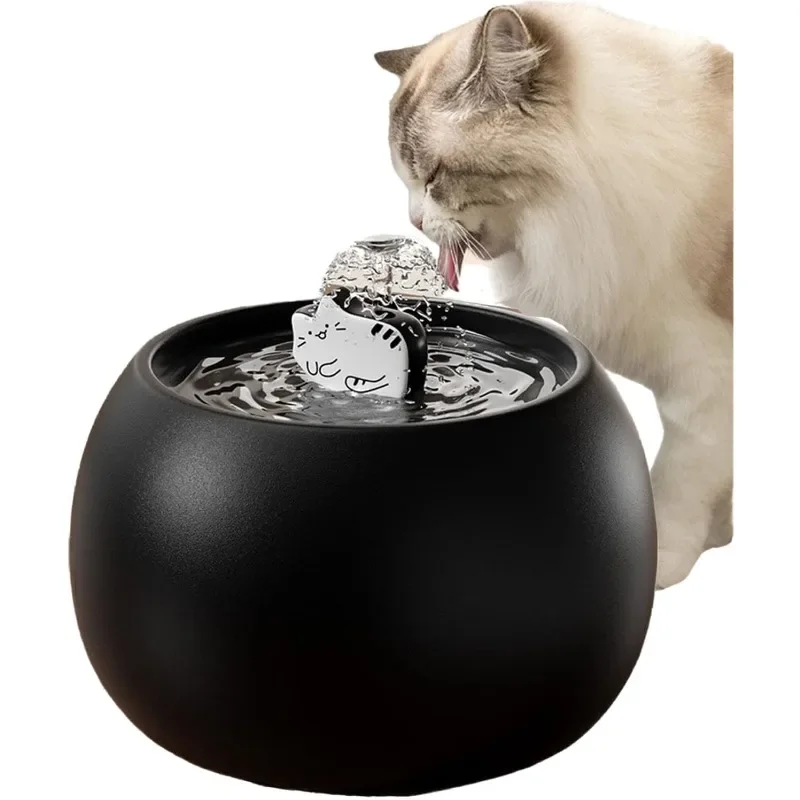
If you already know you want a filtered stainless model, a product such as this stainless steel automatic filter water fountain is the kind of design worth comparing, because it combines a washable metal basin with the fresher-water appeal many shoppers want from an automatic pet water dispenser.
When a filtered dispenser makes sense
A filtered dispenser is usually the better choice when:
- your pet drinks more willingly from moving water
- you want less visible debris in the bowl between washes
- you are comfortable following a refill-and-clean schedule
- you do not mind buying replacement filters as a routine accessory
When a non-filter option is better
A non-filter dispenser is often better when:
- you dislike recurring refill costs
- you want fewer parts to remove and dry
- you need a backup water option during travel or outages
- your cleaning style is “wash everything thoroughly” rather than “maintain a system”
Refill capacity and daily-use convenience
Refill size changes the everyday feel of a dispenser more than many shoppers expect. A small-capacity unit may look compact and tidy, but it also means more frequent top-offs, more chances for the pump to run low, and more attention during hot weather.
For one small pet, a modest reservoir may be fine. For two cats, a cat and a small dog, or households where people are away for most of the day, larger capacity matters. The relationship is simple:
- more pets -> faster water use
- smaller tank -> more refills
- more refills -> more chances to delay cleaning and reset the routine poorly
The smartest choice is not always the biggest tank. Extra-large tanks help with refill frequency, but they are also heavier to carry and more awkward to scrub in a sink. For many homes, the sweet spot is a dispenser large enough to cover a full day comfortably without becoming so bulky that cleaning gets skipped.
Feature checklist for refill convenience
Use this quick checklist before you buy:
- Is the reservoir easy to lift with wet hands?
- Can you refill it without fully disassembling the unit?
- Can you see the water level clearly?
- Does the tank opening allow proper scrubbing?
- Will the size still fit your sink or drying rack?
Material choices: plastic, stainless steel, and ceramic or glass-style options
Material directly affects odor retention, visible wear, and how satisfying the dispenser is to clean.
Plastic
Plastic is common, lightweight, and usually affordable. The downside is that lower-grade plastic can hold odor, show scratches, and develop cloudy buildup faster. Those tiny wear marks can make a bowl feel less clean even right after washing.
Stainless steel
Stainless steel is usually the easiest choice for shoppers who prioritize sanitation and easy cleaning. It tends to resist odor better, wipes down quickly, and gives you a smoother surface with fewer places for residue to cling. That is why many buyers searching for a pet water dispenser stainless steel model are really searching for lower-maintenance ownership.
Ceramic or glass-style bowls
Ceramic and glass-like options can look great and avoid the lightweight feel of plastic, but they are heavier and sometimes more fragile. They can still be excellent if you want a stable bowl and do not mind careful handling.
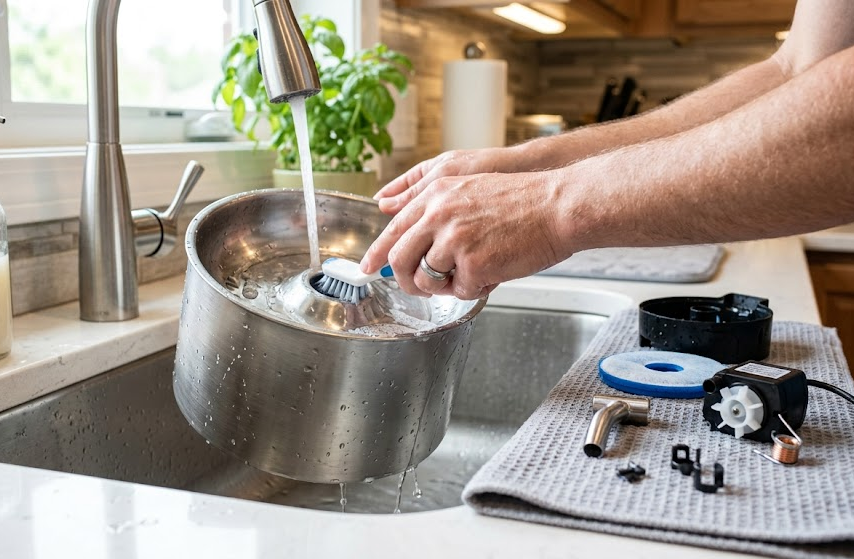
Cleaning routine and pet water dispenser pump maintenance checklist
The easiest to clean pet water dispenser is not the one with the fewest features on paper. It is the one whose cleaning routine you will actually follow.
A realistic routine usually looks like this:
| Task | Why it matters | Typical rhythm |
|---|---|---|
| Top off fresh water | Keeps intake steady and prevents pump strain | Daily or as needed |
| Rinse bowl and exposed surfaces | Removes saliva film, dust, and food debris | Every few days |
| Open and clean the pump | Prevents noise, slowdown, and hidden slime buildup | Weekly or per manufacturer instructions |
| Replace filter | Maintains water quality and circulation performance | Usually every 2–4 weeks |
Pet water dispenser instructions that are worth checking before you buy
Good pet water dispenser instructions should clearly show:
- how the pump opens for cleaning
- which parts are dishwasher-safe, if any
- how to prime or restart the unit after refilling
- what signs mean the filter needs replacement
- how to reassemble the lid and reservoir without leaks
If the product instructions are vague, ownership often becomes trial and error. That is exactly when a dispenser feels harder to clean than it should.
Who should choose gravity vs powered dispensers
The choice between a gravity dispenser and a powered fountain comes down to your tolerance for system maintenance.
Choose a gravity water dispenser if:
- you want the simplest setup possible
- you prefer no cords, no motor, and no pump cleaning
- you need a reliable backup option during outages
- your pet already drinks well from still water
Choose a powered automatic fountain if:
- your pet prefers flowing water
- you are willing to clean the pump and track filters
- you want a fresher-water feel between full washes
- you value features like low-noise circulation and better debris control
Choose a stainless steel filtered fountain if:
- you want the cleanest-feeling surfaces
- odor control matters to you
- you dislike the look of scratched plastic over time
- you want a better balance of hygiene and premium feel
Common mistakes when buying a pet water dispenser
Shoppers often make the wrong choice because they focus on one headline feature and ignore the routine that follows. Avoid these mistakes:
- buying the biggest unit without checking whether it is awkward to wash
- choosing a fountain with a hard-to-open pump housing
- assuming every filter is easy to replace or widely available
- overlooking the difference between wipe-clean surfaces and deeply grooved parts
- picking a stylish design that hides the water level
FAQ
Do I need a filtered pet water dispenser?
You need a filtered pet water dispenser if your pet prefers circulating water, your home deals with hair or dust around bowls, or you want cleaner-looking water between full washes. If you prefer minimal upkeep, a non-filter or gravity model may suit you better.
Are stainless steel pet water dispensers easier to clean?
Usually, yes. Stainless steel pet water dispensers tend to resist odor and wipe down more easily than many plastic bowls, which is why they are popular with owners who want a lower-fuss cleaning routine.
How often should I refill or clean a pet water dispenser?
Refill frequency depends on your pet count and tank size, but fresh top-offs are often needed daily. A deeper cleaning routine that includes the bowl, lid, and pump is commonly needed every few days to weekly, with filter replacement based on the manufacturer schedule.
What is the difference between a gravity dispenser and an automatic fountain?
A gravity dispenser uses reservoir pressure to keep the bowl filled and has no pump, while an automatic fountain uses a pump to move water continuously. The fountain can feel fresher but requires more cleaning and maintenance.
Final recommendation
If you want the best overall balance of convenience and hygiene, start with the maintenance routine you can realistically keep. For many households, that means choosing a stainless steel filtered fountain for easier sanitation and fresher circulation, or a gravity dispenser for simple, low-effort daily use. The best pet water dispenser is not the fanciest one. It is the one you will refill, clean, and maintain consistently.