 Bird Supplies
 Bird Accessories
 Bird Cages & Carriers
 Bird Feeders
 Bird Nests & Beds
 Bird Toys
 Feeding Supplies
 Automatic Feeders
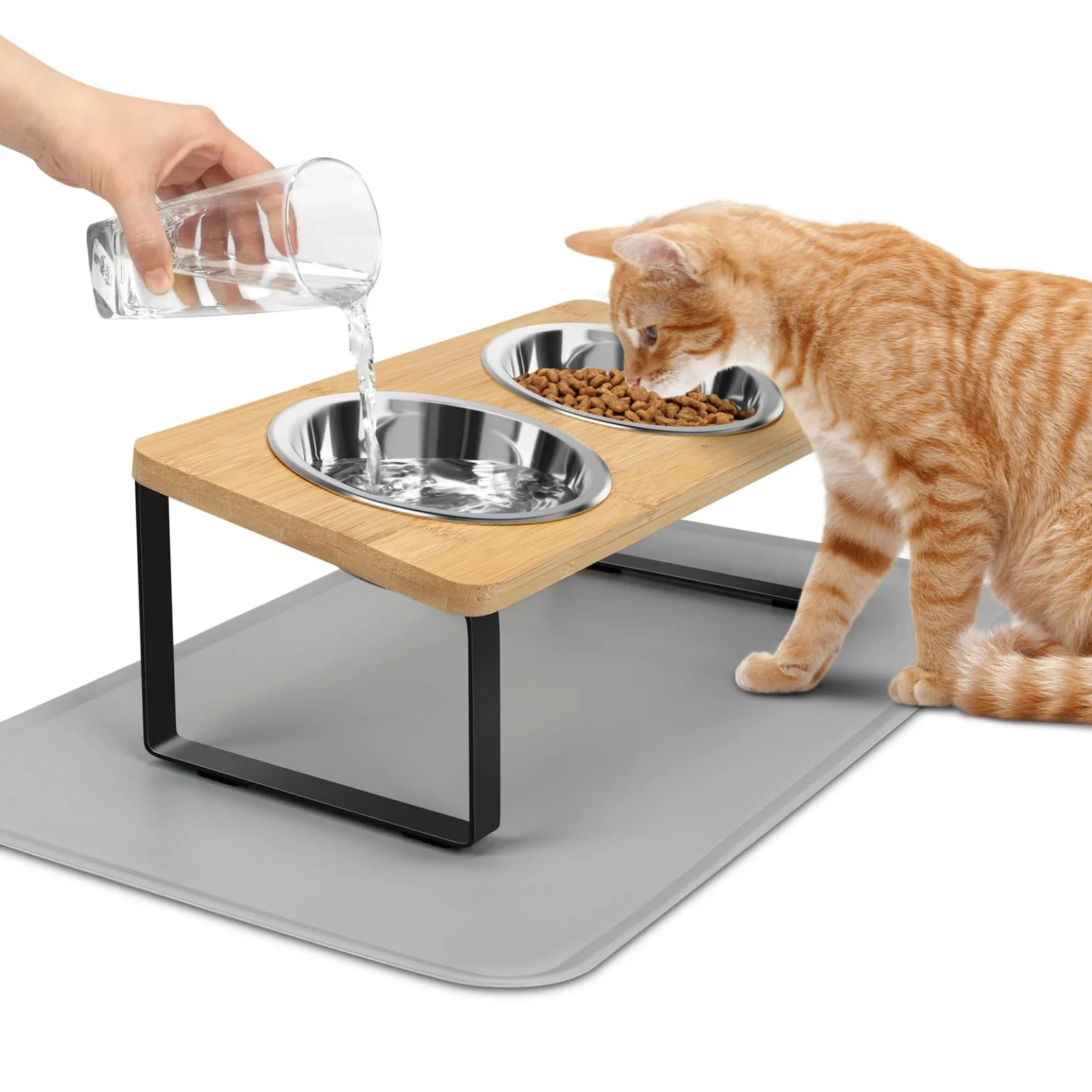 Feeding Mats
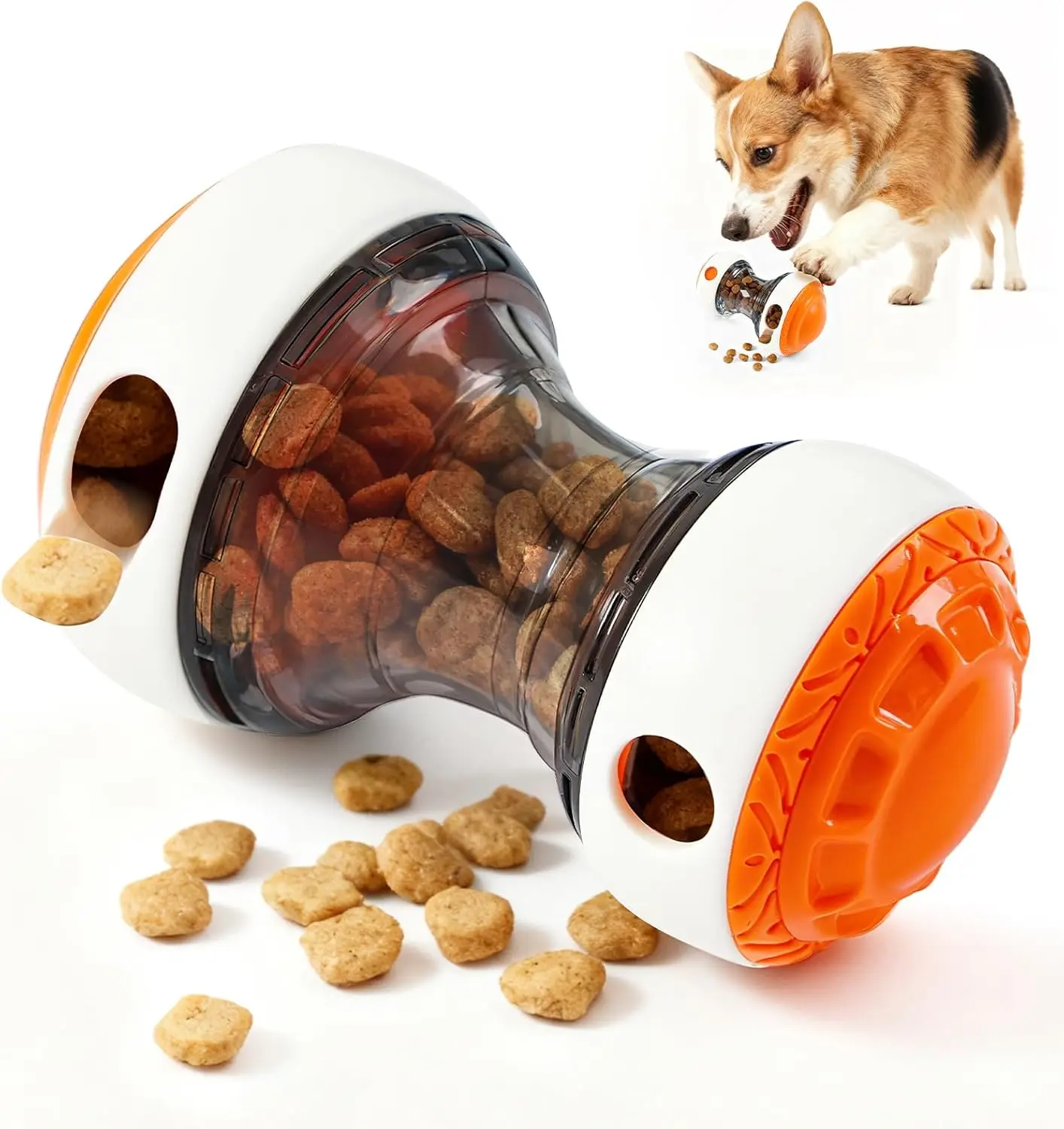 Pet Bowls
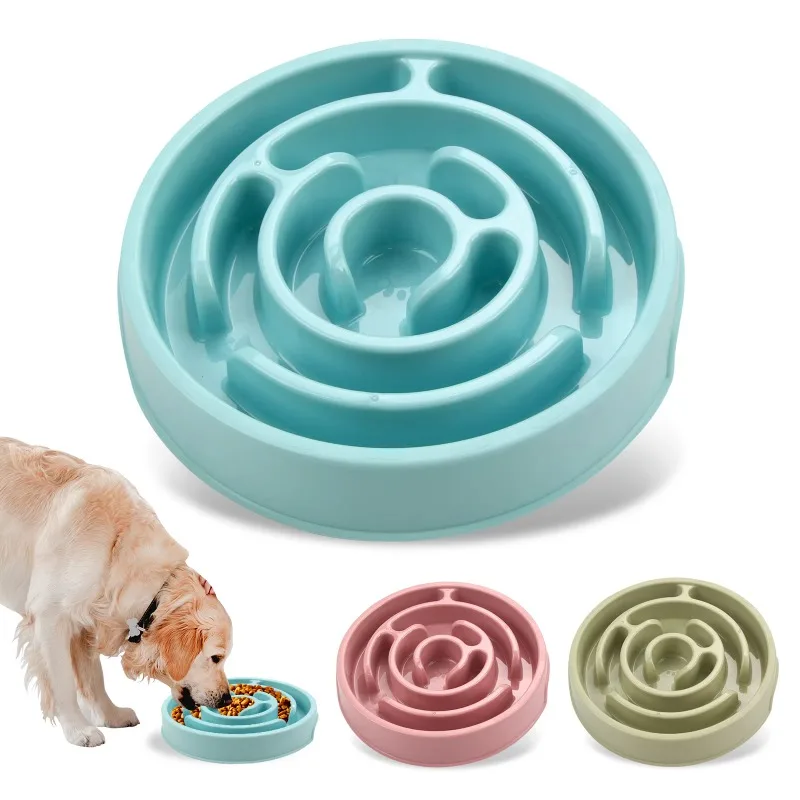 Slow Feed Bowls
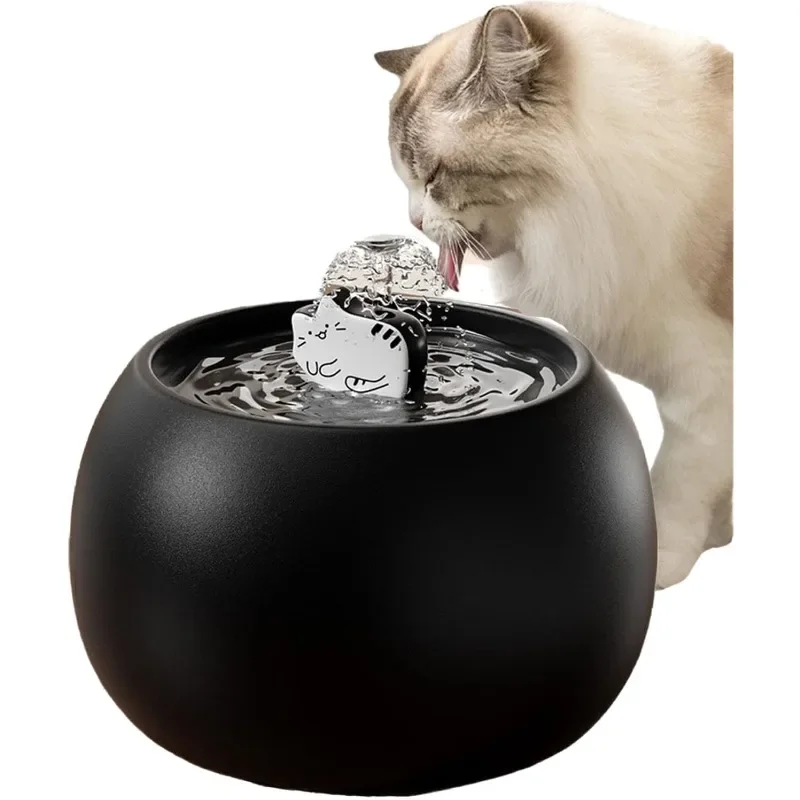 Water Dispensers
 Grooming & Care
 Cleaning Tools
 Grooming Gloves
 Nail Clippers
 Pet Brushes
 Other
Other Pet Accessories
 Harnesses
 Leashes
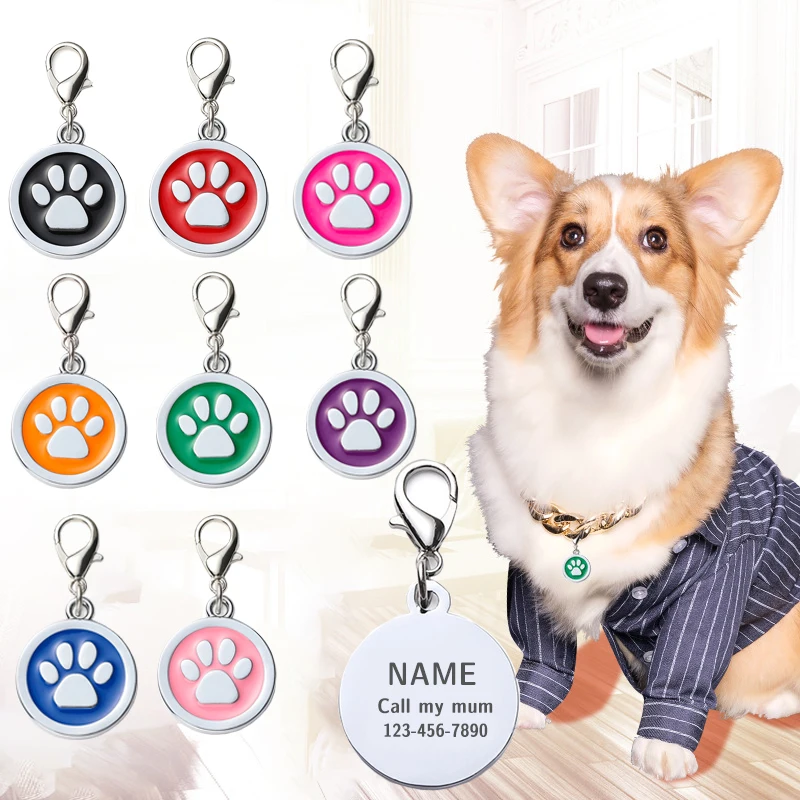 Tags
Tags Pet Apparel
 Cat Apparel
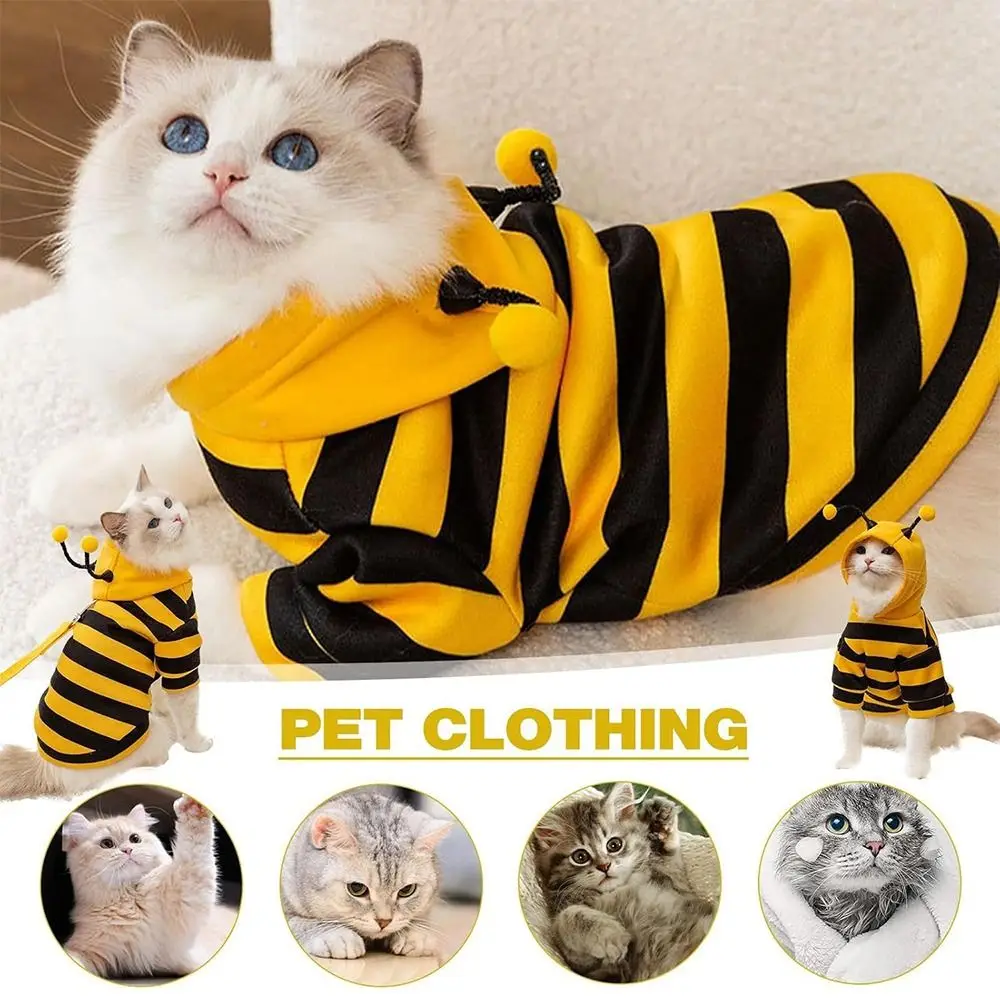 Pet Costumes
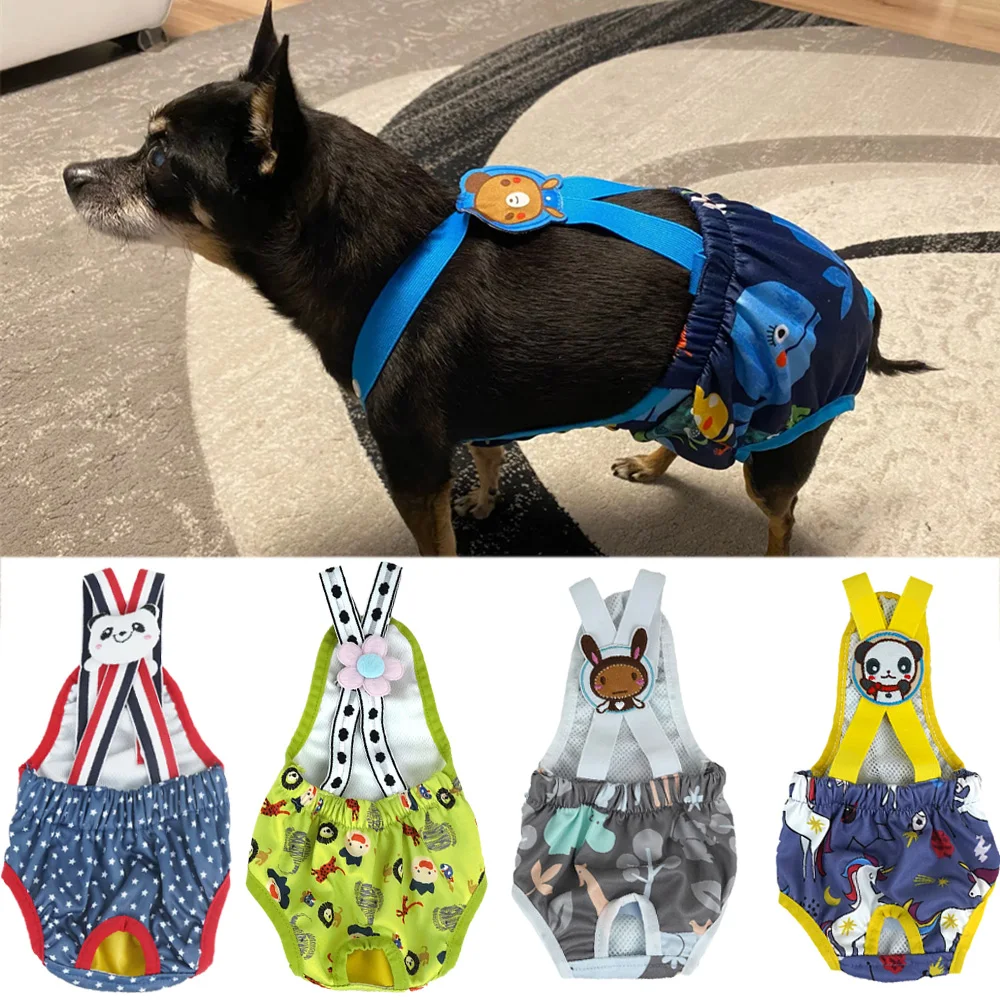 Pet Diapers
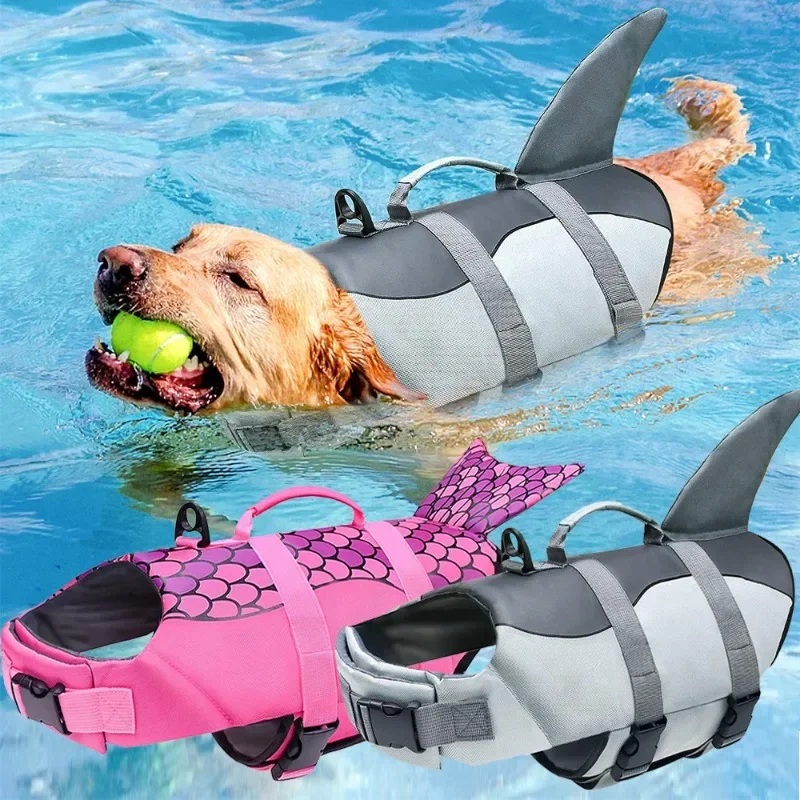 Pet Life Jackets
 Pet Homes & Crates
 Cat Trees & Scratching Furniture
 Dog Crates
 Indoor Pet Houses
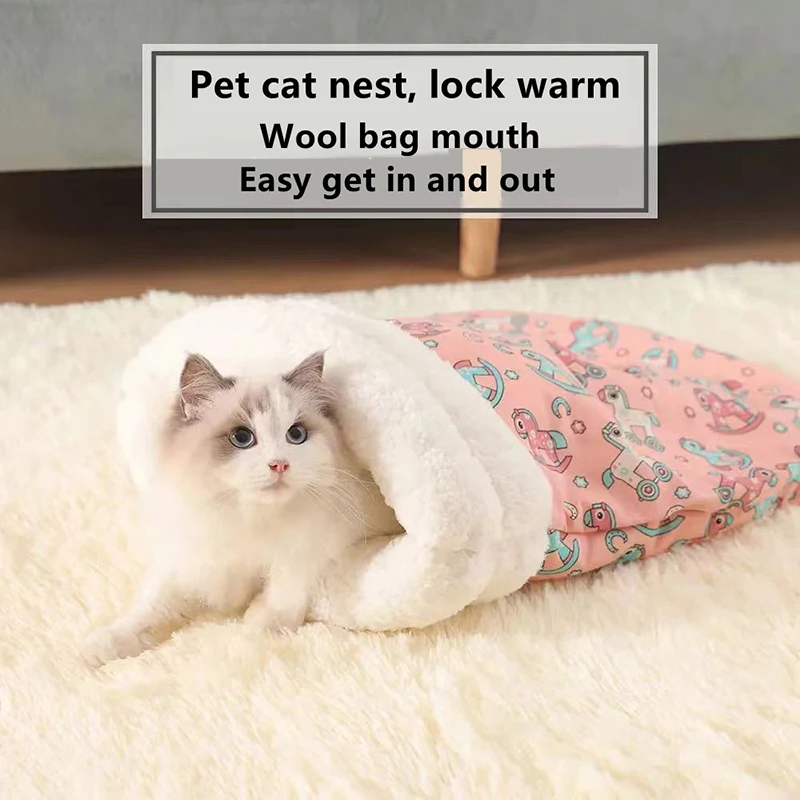 Pet Beds & Houses
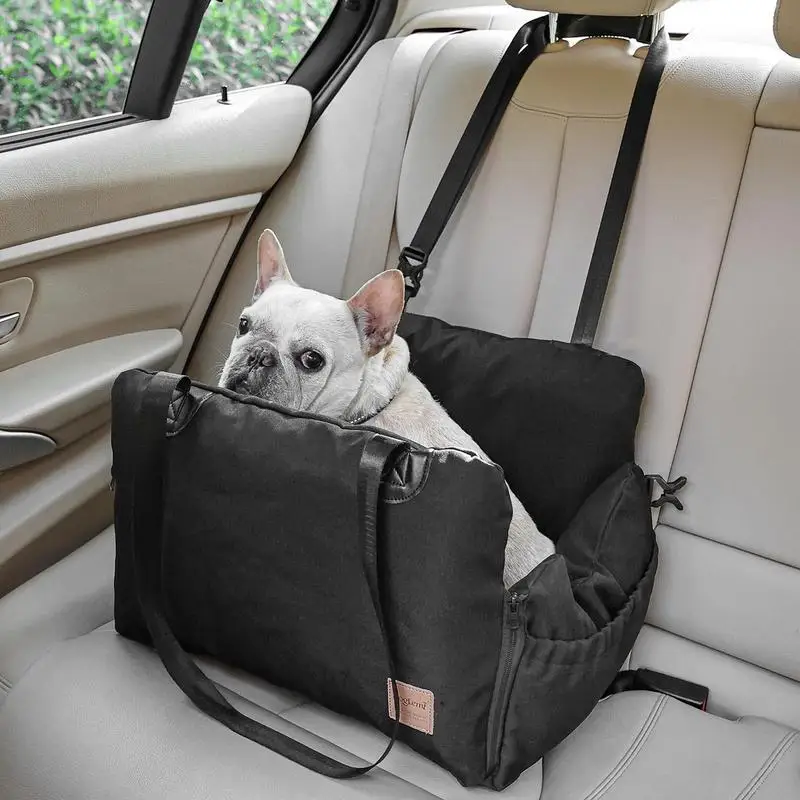 Pet Carriers
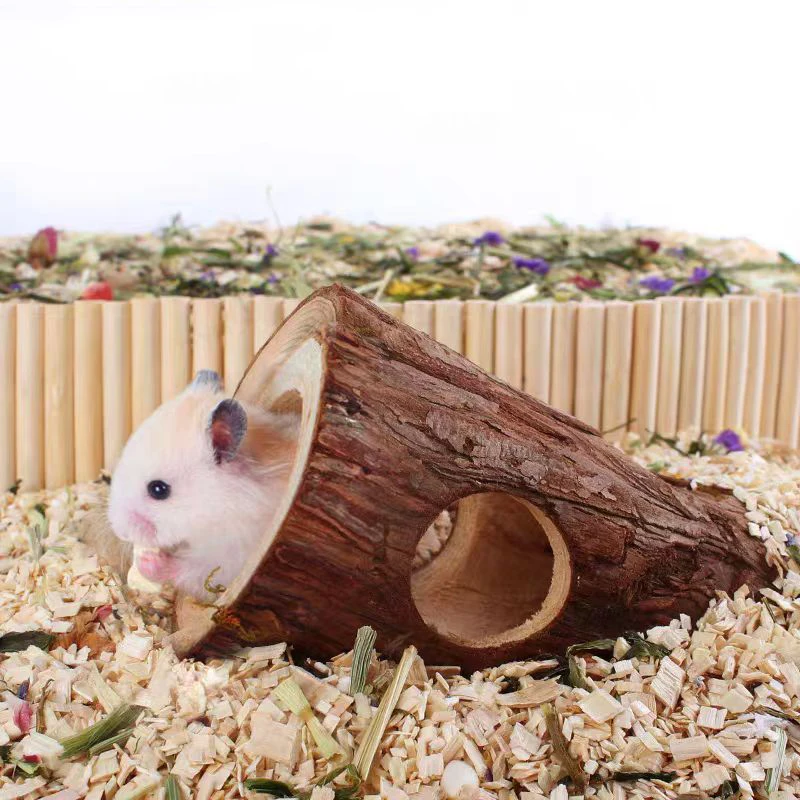 Small Pet Habitats
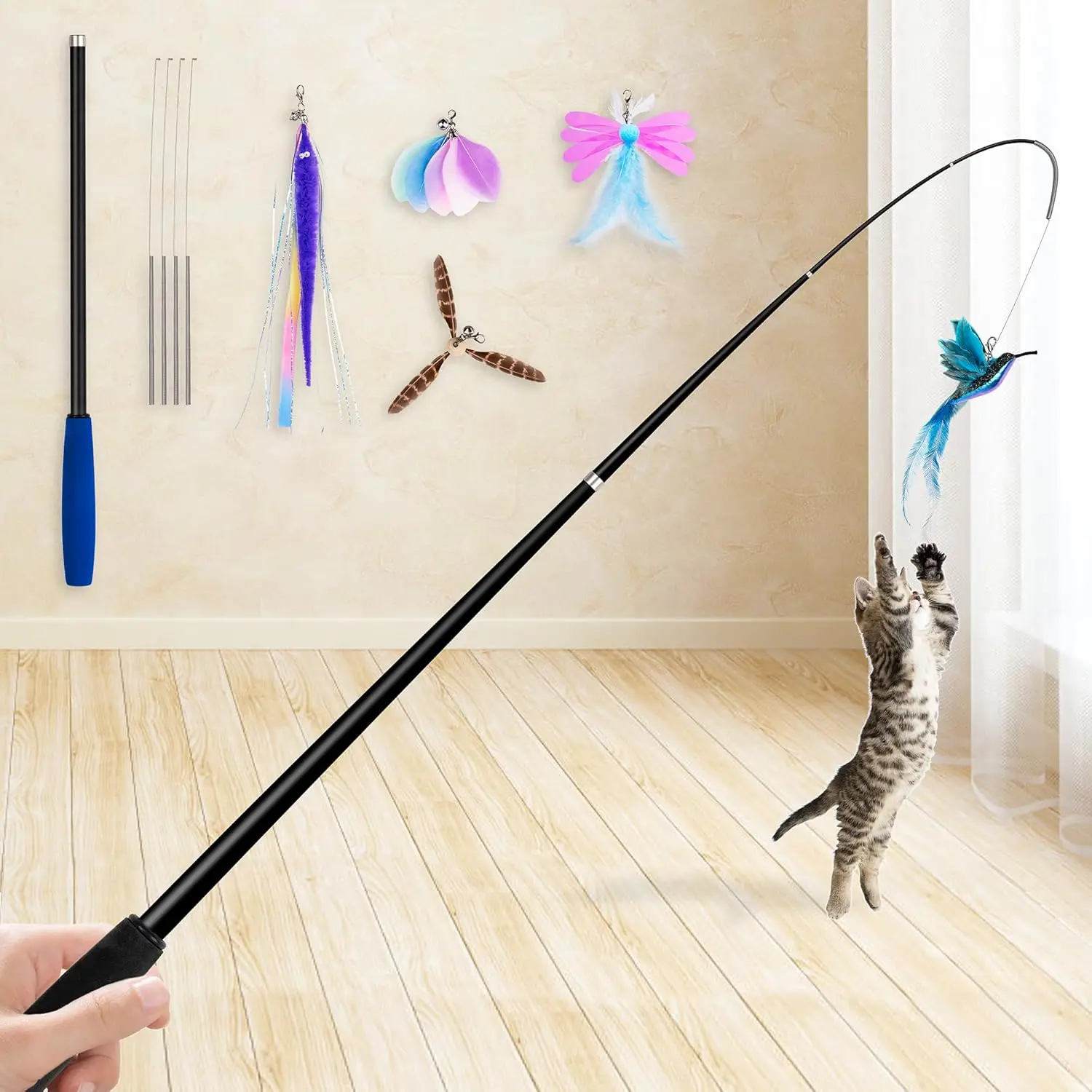 Pet Toys
 Cat Toys
 Dog Toys
 Interactive Toys
 Plush Toys
 Reptile Supplies
 Reptile Accessories
 Reptile Feeders & Bowls
 Reptile Habitats & Terrariums
 Reptile Heating & Lighting
 Reptile Hideouts & Decor
 Reptile Humidity & Climate
 Portable Water Bottles
 Travel Bags
Best Dog Feeding Mat Features for Messy Eaters, Sloppy Drinkers, and Easy Cleanup
Best Dog Feeding Mat Features for Messy Eaters, Sloppy Drinkers, and Easy Cleanup
The best dog feeding mat is usually a grippy, easy-to-clean mat with enough surface area and a spill-catching edge for your pet's bowl setup and mess level.
If you are comparing the best dog feeding mat options, focus less on cute patterns and more on containment, surface grip, size, and cleanup. A good feeding mat for dogs should keep bowls from sliding, catch splashes before they spread, and clean up fast enough that you will actually keep using it every day.
Quick answer: who actually needs a dog feeding mat
A dog feeding mat is most useful for dogs that drip water after drinking, push bowls around while eating, or leave crumbs, slobber, and splash marks around the feeding station. It is especially helpful on wood, laminate, tile grout lines, crate trays, and apartment kitchen corners where repeated moisture gets annoying fast.
A feeding mat for dogs is usually worth it if:
- your dog nudges bowls across the floor
- water ends up outside the bowl after every drink
- food crumbs stick to the floor around the station
- you use two bowls and want one cleaner setup
- you want easier cleanup than wiping the whole area after every meal
If your dog eats neatly from a stable raised feeder and rarely spills, a mat is still nice to have, but it is less essential.
Feature checklist: what matters most before you buy
Before buying a dog bowl mat, check these features in this order:
- Raised edge for spill control around water bowls
- Material that wipes clean without holding odors
- Grip on both the floor side and the bowl side
- Size that fits one bowl, two bowls, or a feeder base comfortably
- Flexibility so the mat stores easily without curling too much in use
- Cleanup speed including how fast it rinses, dries, and goes back into place
- Thickness that feels sturdy but does not become a trip hazard
Why raised edge, material, and grip matter most
Raised edge is the biggest upgrade for sloppy drinkers
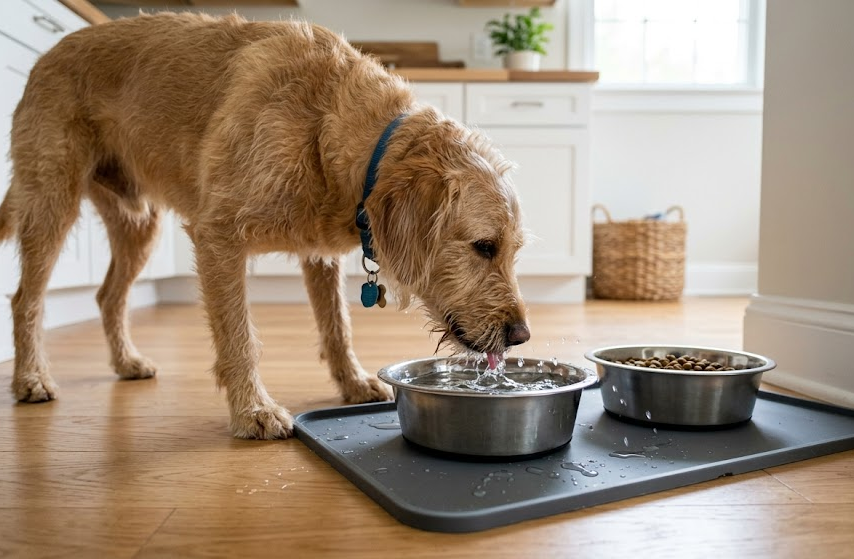
If your dog leaves a ring of water around the bowl after every drink, a flat mat will only protect the floor surface directly underneath. A raised-edge mat does more because it helps contain splashes before they travel outward. For sloppy drinkers, this is usually the single most valuable feature.
A shallow edge is often enough for tidy dogs, but heavier splashers usually benefit from a more noticeable lip that catches runoff from the bowl base and tongue drips.
Silicone is usually the easiest material for daily cleanup
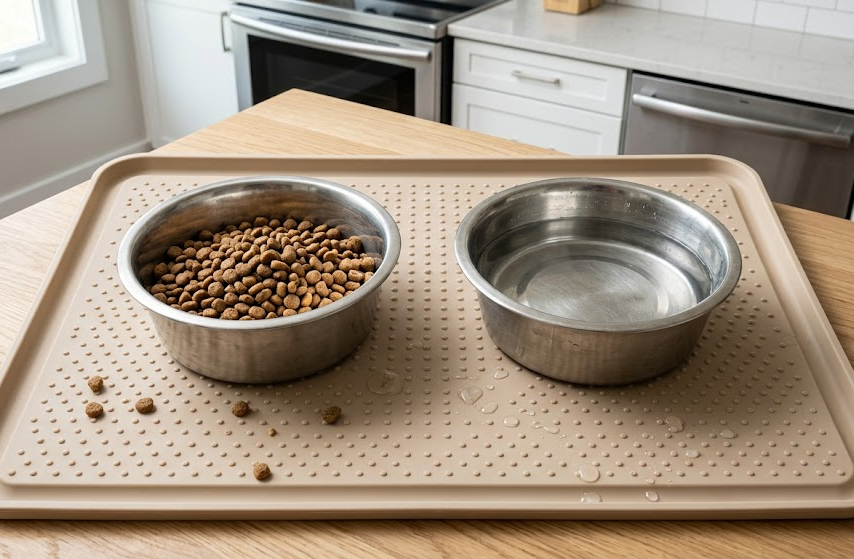
Silicone is often the best material for a dog feeding mat because it combines flexibility, grip, water resistance, and fast cleanup. A silicone dog feeding mat usually rinses clean, dries quickly, and lies flatter than many fabric-style mats after repeated use.
Other materials can still work, but they tend to involve tradeoffs:
- Fabric or absorbent-top mats can look softer and help with light drips, but they may dry more slowly
- Plastic mats can wipe clean quickly, but some slide more easily or feel less stable under bowls
- Rubber-heavy mats can grip well, but texture and smell quality vary a lot by product
If you want the simplest everyday option, a quick-drying pet feeding mat is the kind of practical choice that works best when your main goal is mess control without extra fuss.
Grip matters for both bowls and floors
Some mats look large enough and easy to clean, but still fail because they slide every time the dog noses the bowl. The best feeding mat easy cleanup setup starts with stability. You want the mat to stay put on the floor and the bowls to feel less skatey on top of it.
Grip matters even more if:
- your dog eats fast and pushes the bowl forward
- the feeding area sits on slick tile or laminate
- you use lightweight stainless bowls
- your dog is tall enough to shift a feeder during meals
Best options for sloppy drinkers vs messy eaters
Not all mess is the same, so the best dog feeding mat depends on what your dog actually does.
Best features for sloppy drinkers
For dogs that splash, drip, or leave wet trails after drinking, prioritize:
- a raised edge for spill control
- waterproof material such as silicone
- enough extra space around the water bowl
- a surface that wipes clean without water soaking in
Water mess spreads wider than kibble mess, so a slightly larger feeding mat for dogs usually pays off here.
Best features for messy eaters
For dogs that scatter kibble, leave wet food smears, or drag food from the bowl, prioritize:
- a mat large enough to catch the usual drop zone
- a surface that resists oil and food staining
- enough grip to keep bowls from sliding while eating
- a shape that is easy to lift and shake out over a trash bin or sink
Best choice for homes that want the fastest cleanup
If your main goal is easy cleanup, keep the criteria simple: choose a mat that rinses quickly, dries quickly, and goes back down flat. The best-looking mat is not always the one you will enjoy using every morning.
How to size a mat for one bowl, two bowls, or feeder setups
Size is where many buyers get it wrong. A dog bowl mat should not only match the bowl footprint. It should also cover the space where spills actually land.
One bowl setup
For one bowl, look for enough margin around the bowl that drips or crumbs stay on the mat instead of immediately reaching the floor. Tiny mats often look fine in product photos but feel undersized in real use.
Two bowl setup
For food-and-water pairs, a large feeding mat for dogs is often the better choice because water spill range and food scatter range overlap. A useful rule is to leave visible extra space around both bowls and between them rather than fitting them edge to edge.
Raised feeder or stand setup
If you use a feeder stand, measure the full base, not just the bowls. The mat should extend beyond the legs or frame enough to catch runoff and dropped food.
Size guide at a glance
| Setup | What to look for |
|---|---|
| One small bowl | Compact mat with extra edge space around the bowl |
| Two standard bowls | Medium to large mat with room for splash and crumb spread |
| Large breed water bowl | Wider mat with raised edge and more front spill space |
| Elevated feeder | Mat sized to the feeder base plus surrounding mess zone |
| Travel or crate use | Lighter flexible mat that rolls easily and still grips well |
Pros and cons of common dog feeding mat styles
Silicone dog feeding mat pros
- usually the easiest to rinse and wipe clean
- good spill control when paired with a raised edge
- flexible enough for storage and travel
- often offers the best mix of grip and water resistance
Silicone dog feeding mat cons
- some very thin mats can curl at the corners
- cheap versions may attract dust or show hard-water spots
- not every silicone design has enough edge height for heavy splashers
Absorbent or fabric-top mat pros
- can feel softer and less industrial in the kitchen
- may hide light drip marks better between quick cleanups
Absorbent or fabric-top mat cons
- slower drying can make daily washing less convenient
- repeated food smears may need more than a quick wipe
- not always ideal for dogs that make frequent wet messes
Cleaning and drying tips before you buy
A mat only counts as easy cleanup if the maintenance feels realistic after a normal weekday feeding.
Before buying, think about whether you want to:
- wipe the mat in place after each meal
- carry it to the sink and rinse it quickly
- wash it fully a few times a week
- air-dry it fast enough to reuse by the next feeding
The easiest mats for daily use are usually the ones that do not trap smell, dry without much babysitting, and lie flat again right away.
Summary takeaway
For most homes, the best dog feeding mat is a silicone mat with reliable grip, enough surface area for your bowl setup, and a raised edge that catches everyday splash. If your dog is mainly a sloppy drinker, prioritize spill containment first. If your dog is mostly a messy eater, prioritize size, bowl stability, and fast wipe-down cleanup.
FAQ
What size feeding mat do I need for two dog bowls?
For two dog bowls, choose a mat with extra room around both bowls rather than a tight exact fit. You want space for splash, crumbs, and small bowl shifts during feeding.
Is silicone the best material for a dog feeding mat?
Silicone is usually the best all-around material because it balances grip, water resistance, flexibility, and easy cleanup better than most alternatives.
Do feeding mats help with sloppy drinkers?
Yes. Feeding mats help sloppy drinkers most when they include a raised edge and enough surrounding space to catch water drops and bowl overflow.
How do you clean a dog feeding mat?
Most dog feeding mats clean easily with a quick wipe, sink rinse, or light soap wash depending on the mess. Silicone mats are usually the fastest to dry and reset for the next meal.