 Bird Supplies
 Bird Accessories
 Bird Cages & Carriers
 Bird Feeders
 Bird Nests & Beds
 Bird Toys
 Feeding Supplies
 Automatic Feeders
 Feeding Mats
 Pet Bowls
 Slow Feed Bowls
 Water Dispensers
 Grooming & Care
 Cleaning Tools
 Grooming Gloves
 Nail Clippers
 Pet Brushes
 Other
Other Pet Accessories
 Harnesses
 Leashes
 Tags
Tags Pet Apparel
 Cat Apparel
 Pet Costumes
 Pet Diapers
 Pet Life Jackets
 Pet Homes & Crates
 Cat Trees & Scratching Furniture
 Dog Crates
 Indoor Pet Houses
 Pet Beds & Houses
 Pet Carriers
 Small Pet Habitats
 Pet Toys
 Cat Toys
 Dog Toys
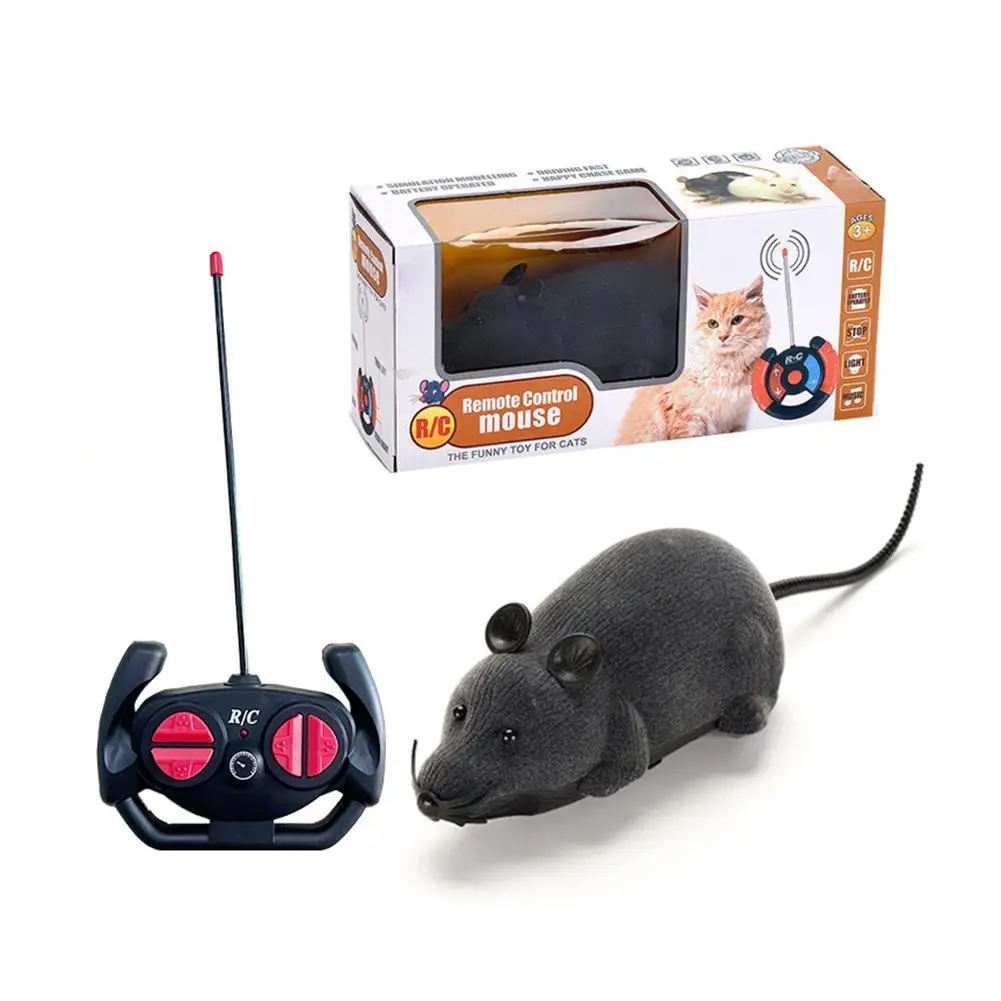 Interactive Toys
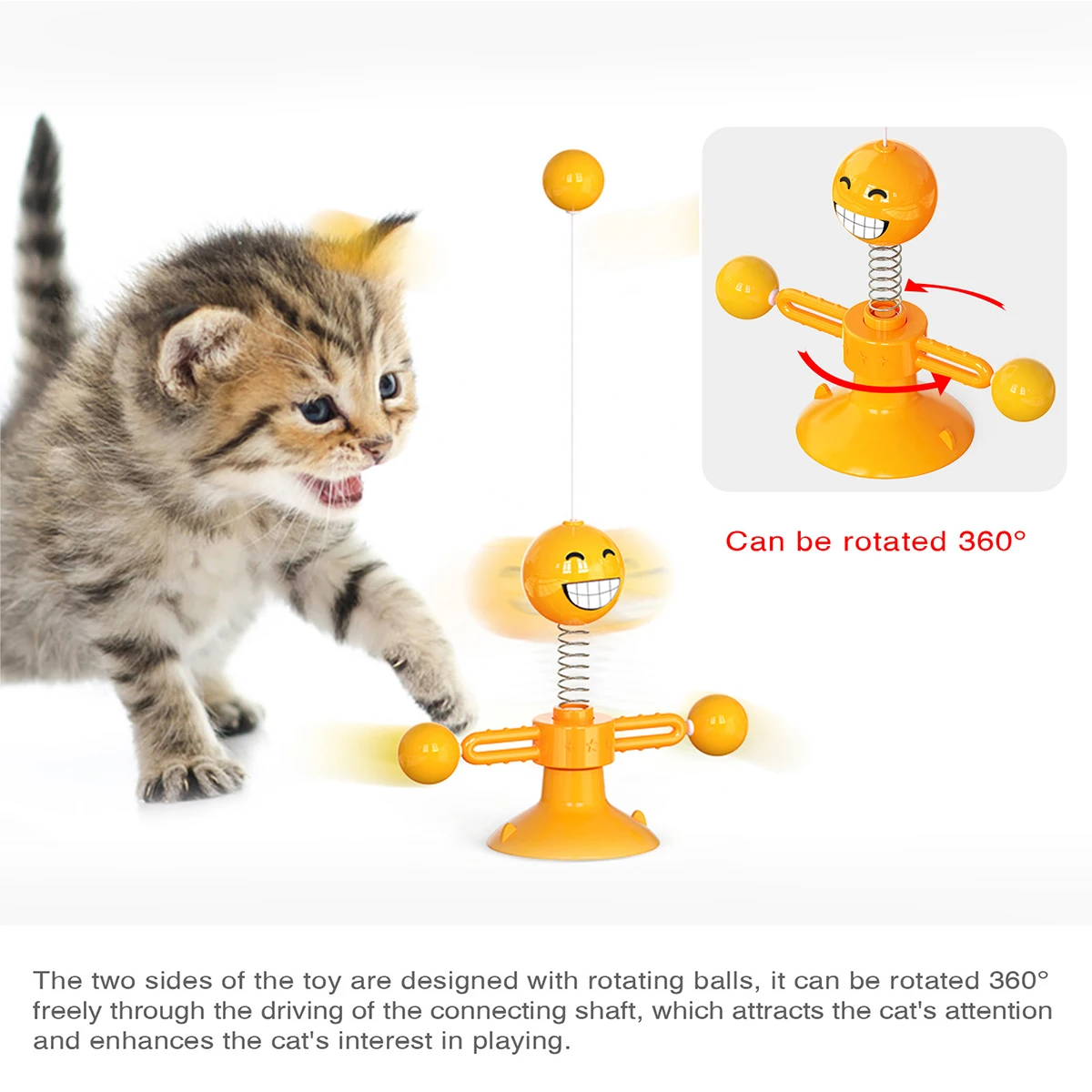 Plush Toys
 Reptile Supplies
 Reptile Accessories
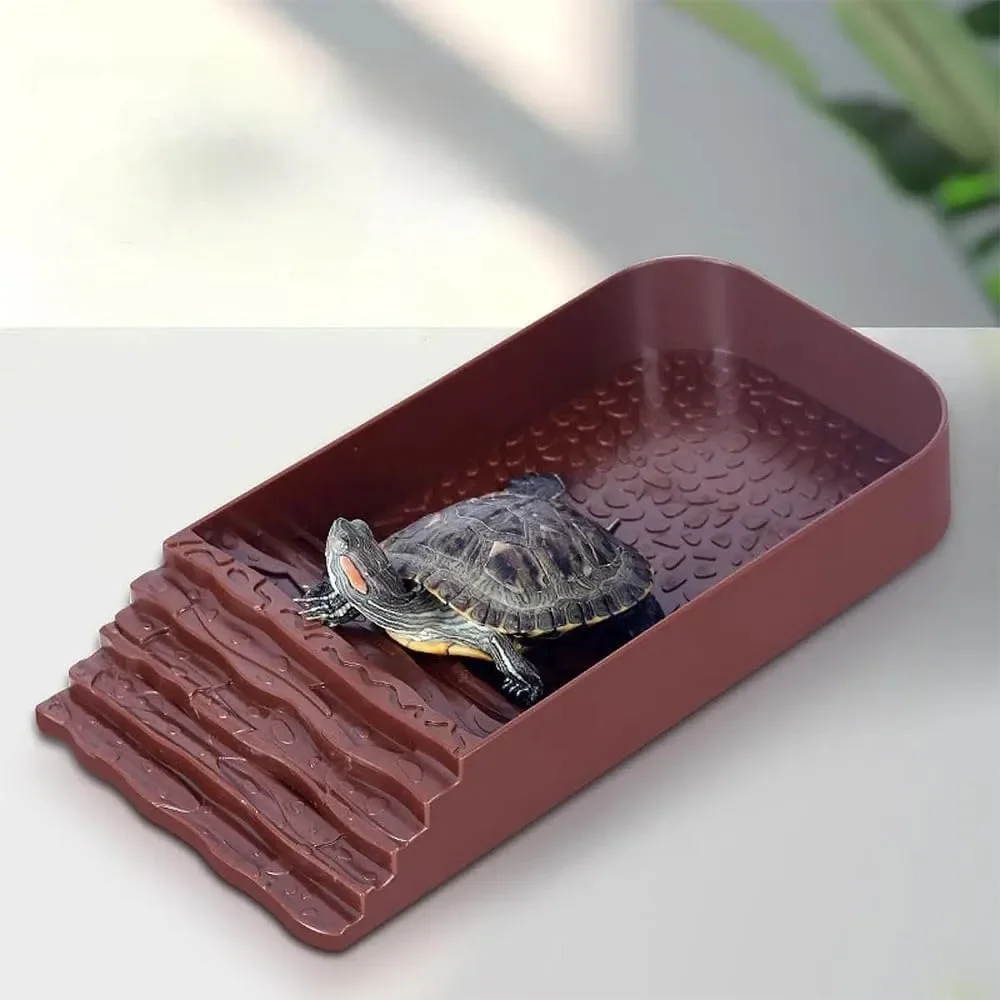 Reptile Feeders & Bowls
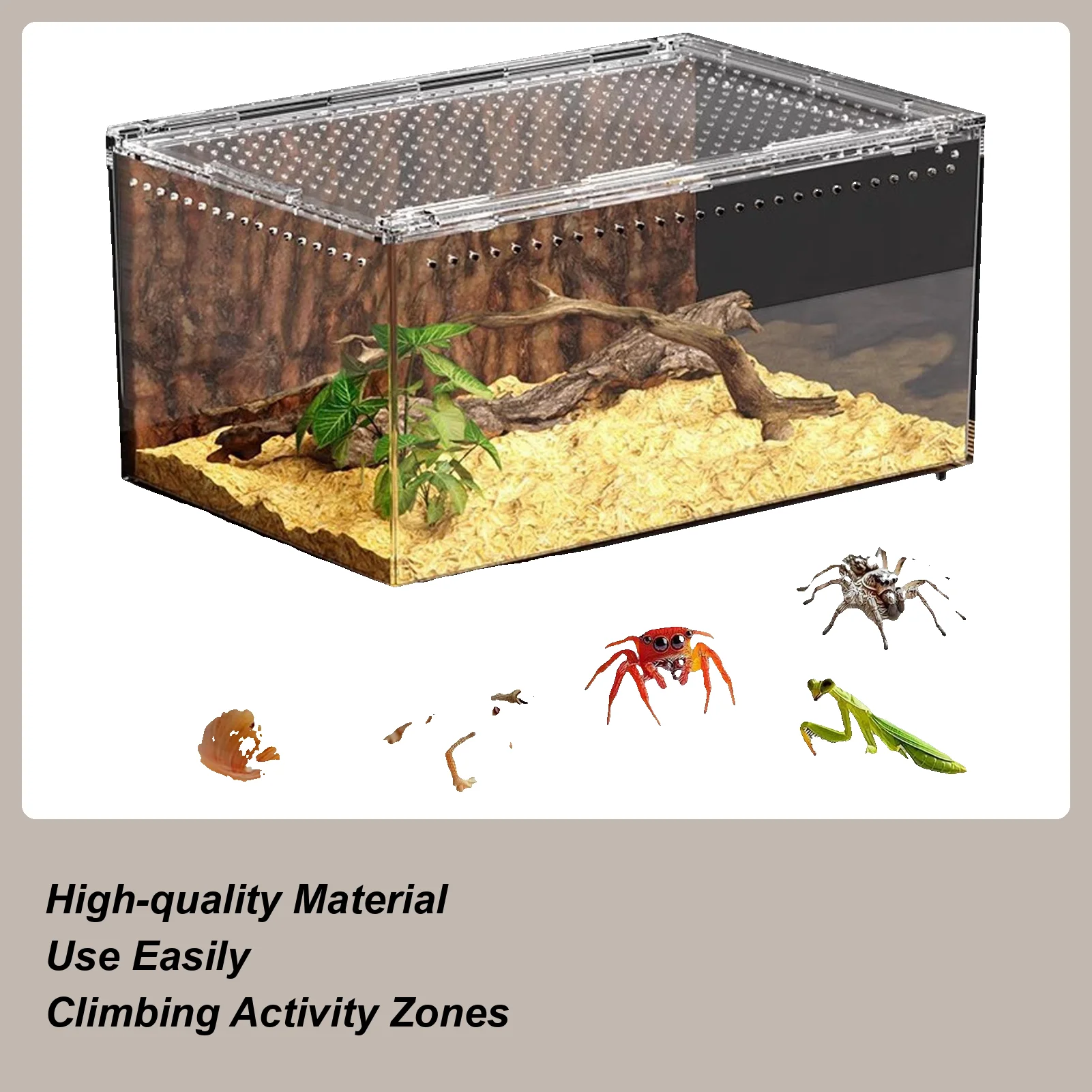 Reptile Habitats & Terrariums
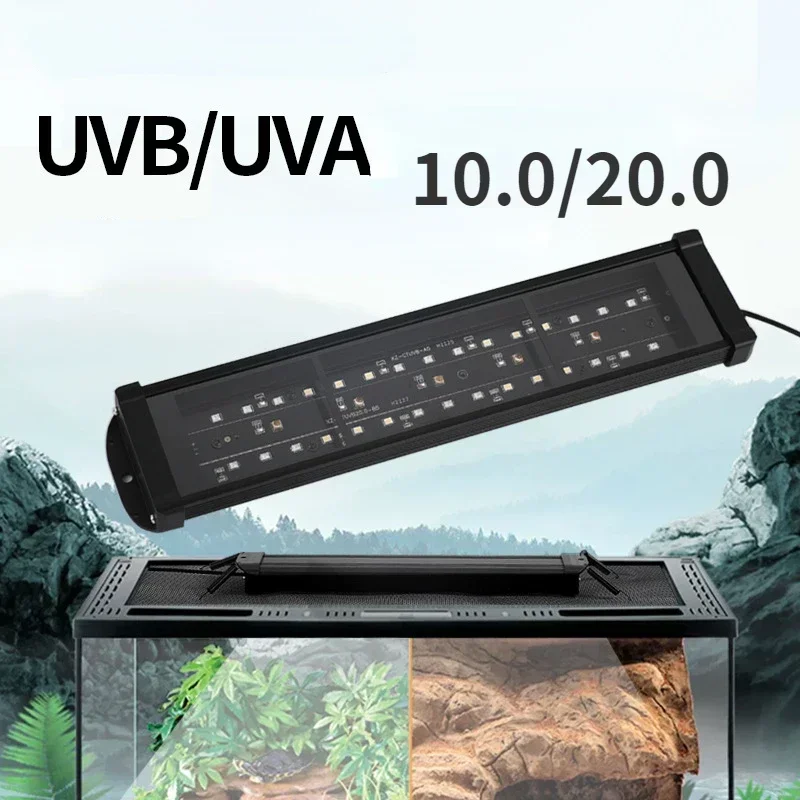 Reptile Heating & Lighting
 Reptile Hideouts & Decor
 Reptile Humidity & Climate
 Portable Water Bottles
 Travel Bags
Best Interactive Cat Toys for Indoor Cats Who Get Bored Easily
Best Interactive Cat Toys for Indoor Cats Who Get Bored Easily
Indoor cats may be safer from cars, predators, and bad weather, but they also miss out on the constant novelty that outdoor cats naturally get. When the same rooms, same windows, and same routine repeat every day, many cats start showing the classic signs of boredom: pouncing on ankles, overgrooming, yowling at night, knocking things off shelves, or sleeping far more than usual. That is why the best interactive cat toys for indoor cats do more than entertain for five minutes—they create short, repeatable hunting moments that help cats stalk, chase, bat, kick, and solve problems in healthy ways.
If you are shopping for interactive cat toys for a bored indoor cat, the smart move is not buying the loudest gadget or the biggest toy bundle. It is matching the toy to how your cat likes to play, how much energy they have, and whether they need solo enrichment, owner-led exercise, or a mix of both. Below, we break down the toy types worth considering and how to choose the right ones without wasting money on gimmicks.
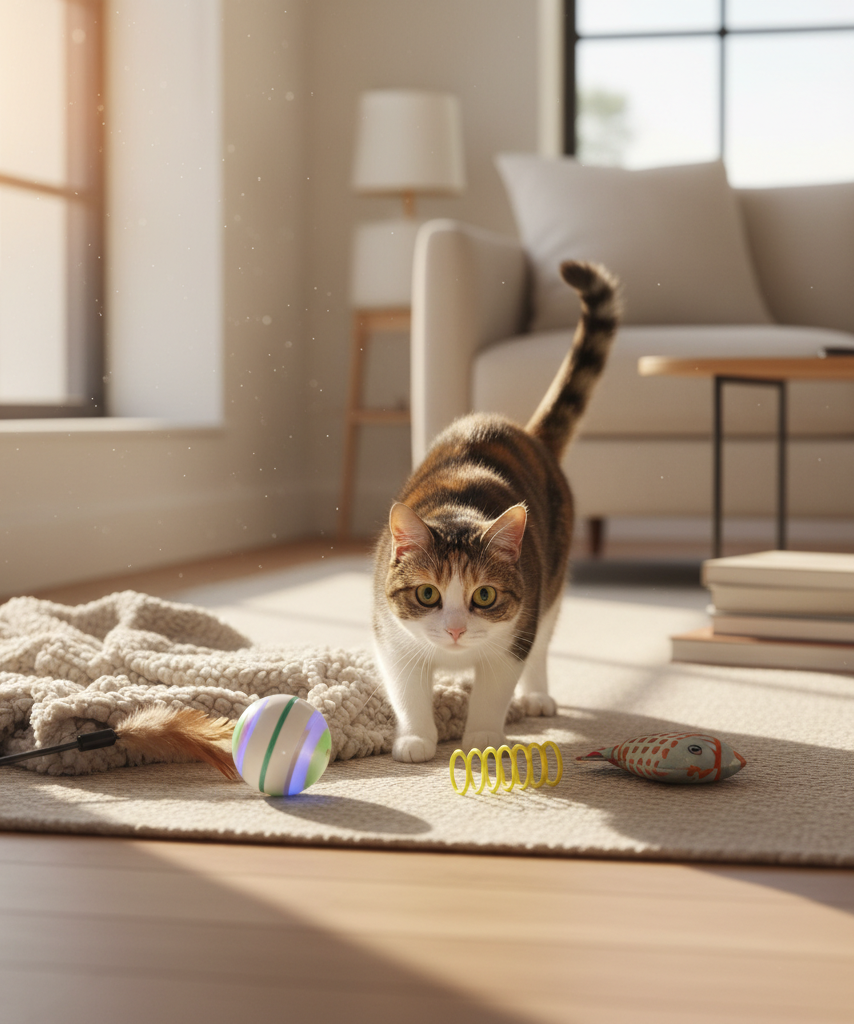
Why Indoor Cats Get Bored Faster
Indoor life removes many of the tiny challenges that keep a cat mentally busy. There are fewer new scents, fewer moving targets, and fewer chances to make decisions about stalking, climbing, and exploring. Even affectionate, relaxed cats can get restless when they have no outlet for prey-drive behavior.
Common boredom triggers for indoor cats include:
- too little daily play that mimics hunting
- toys that never move or change
- leaving the same toys out all the time
- no climbing, hiding, or ambush opportunities
- long periods home alone without stimulation
The best cat toys for indoor cats usually work because they tap into one or more natural instincts. Some encourage fast chase behavior. Others reward batting and pouncing. Some are best for cats that need solo play while you work, while others are better for short, high-quality sessions you do together.
Types of Interactive Cat Toys and What Each Solves
Wand Toys for Cats Who Need Active, High-Engagement Play
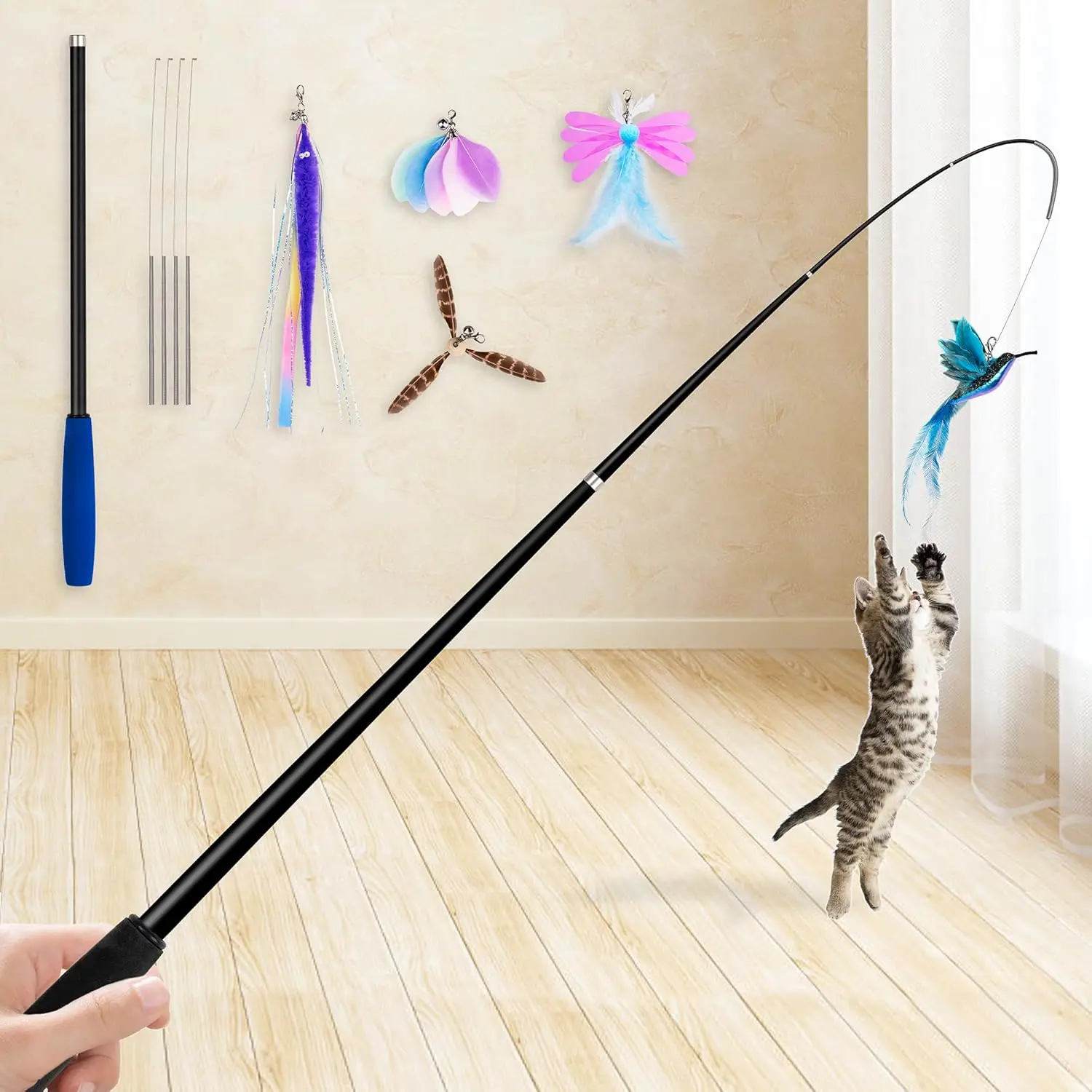
Wand toys are still one of the best interactive cat toys because they let you mimic prey movement in ways battery toys often cannot. A good wand toy works especially well for cats that stare at birds from the window, sprint through the house at dusk, or seem clingy and frustrated when they want stimulation.
Wand toys help solve:
- pent-up evening energy
- attention-seeking behavior
- low daily activity levels
- boredom in cats who want movement that feels unpredictable
The downside is simple: they need your time. If your cat gets bored easily but only really lights up when you play with them, wand toys should probably be the foundation of your toy rotation rather than an occasional extra.
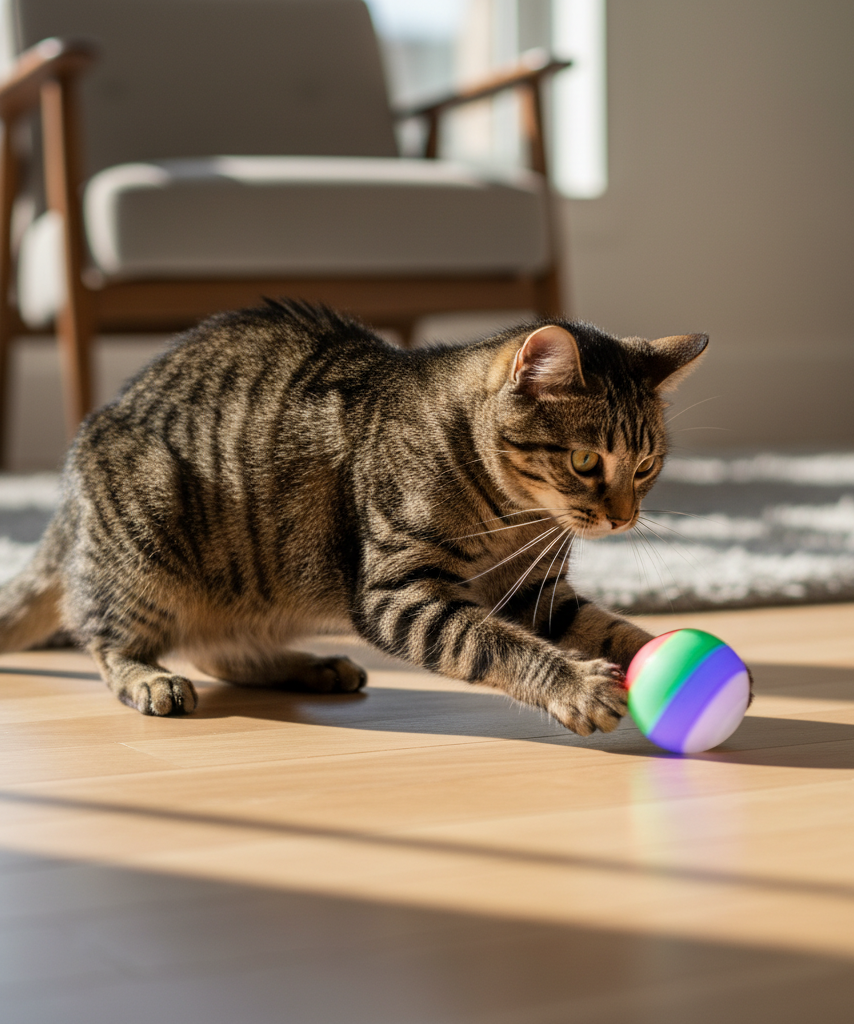
Ball Toys for Bored Cats Who Love to Chase and Bat
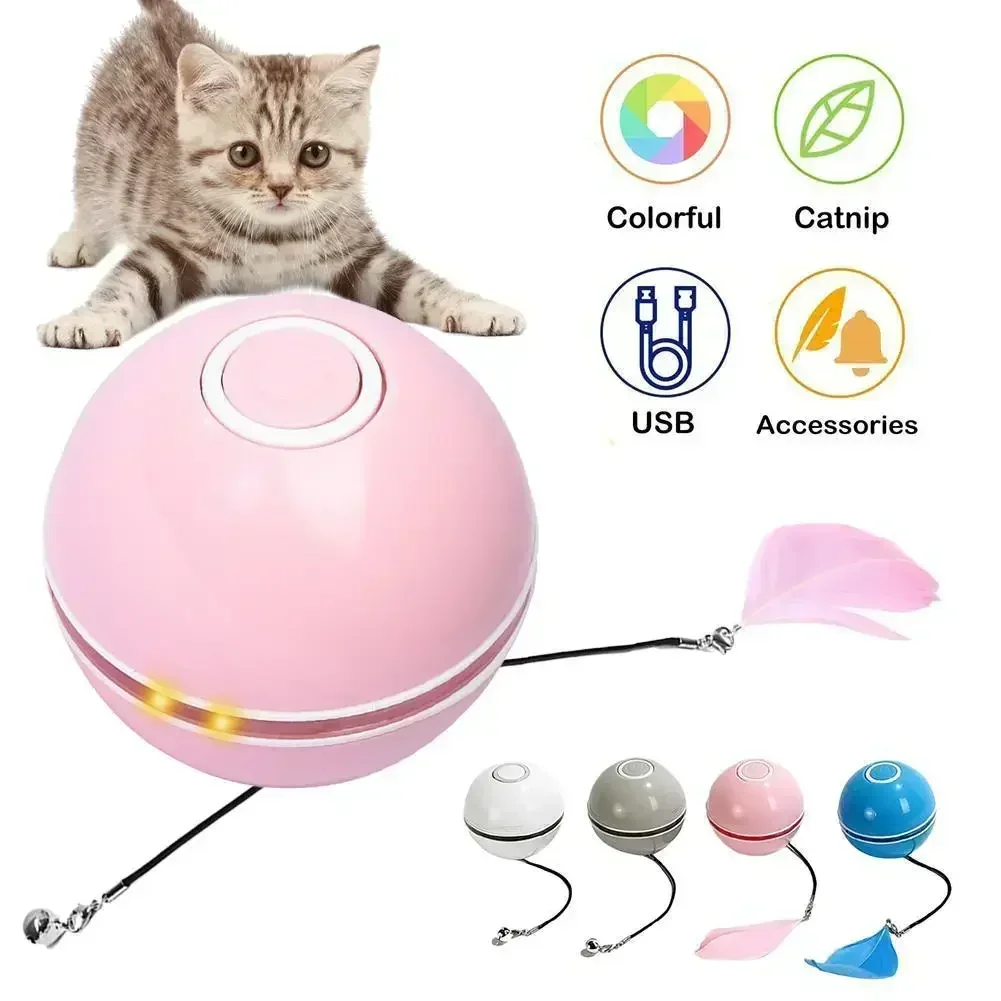
Ball toys are ideal for cats that enjoy quick movement across the floor. Some cats like lightweight jingle balls, while others prefer self-moving electronic balls that change direction and trigger a chase response.
This toy type is a strong fit for:
- younger indoor cats with lots of energy
- cats that play best on hard floors
- cats that enjoy batting objects under furniture and hunting them back out
- homes where the cat needs short solo play opportunities during the day
If your cat tends to get bored when left alone, a motion-based toy can add useful variety. For example, a self-play option like this automatic teaser ball and rotating stick cat toy makes sense for indoor cats that want movement even when you are busy, because it creates a more dynamic target than a static plush toy.
Spring Toys for Quick Bursts of Indoor Cat Energy
Spring toys are inexpensive, but they are not throwaway filler when you have the right cat. Lightweight plastic springs bounce unpredictably, which often triggers repeated pouncing and carrying behavior. They are especially useful for cats that prefer short, intense sessions over long play windows.
Spring toys help with:
- boredom between longer play sessions
- cats that love erratic movement
- multi-cat homes where toys need to be easy to scatter and rotate
- owners who want a low-cost way to test play style
Compared with wand toys, springs are more self-directed. Compared with electronic toys, they are quieter, simpler, and less likely to overwhelm timid cats.
Catnip Toys for Low-Energy Cats or Kick-and-Cuddle Play Styles
Not every bored cat wants nonstop chase. Some cats respond better to toys they can bunny-kick, wrestle, lick, or carry away to a safe spot. That is where catnip toys can help, especially for adult cats that are less interested in sprinting but still need sensory enrichment.
Catnip toys are often best for:
- moderate- or low-energy adult cats
- cats that like kicking with their back legs
- cats that enjoy scent-based enrichment
- calming a toy rotation that is too focused on speed and chase
They are less of a complete exercise solution, though. If your cat gains weight easily or becomes destructive from pent-up energy, catnip toys should usually complement chase toys rather than replace them.
How to Match Toys to Age, Energy Level, and Play Style
Kittens and Young Cats
Most kittens and young adults need toys that reward movement quickly. Balls, teaser toys, springs, and rotating toys usually perform well because younger cats tend to shift rapidly from stalking to full-speed chase. Look for toys that can handle rougher play and frequent use.
Adult Indoor Cats With Moderate Energy
Adult cats often do best with a mix rather than one single toy style. A wand toy for daily interactive play, one solo motion toy, and one kicker or catnip option is often a more realistic boredom-prevention setup than buying a huge mixed bag of random toys.
Senior Cats or Less Athletic Cats
Older cats may still enjoy interactive cat toys, but the pace matters. Short wand sessions, slower-moving toys, and toys that reward batting from a seated or lounging position often work better than nonstop fast rollers. Focus on easy wins, not marathon play.
Match the Toy to Your Cat’s Favorite Hunting Pattern
Before buying anything, watch what your cat already does naturally:
- If they stalk and spring from hiding, choose wand and ambush-style toys.
- If they bat objects across the room, choose rolling ball and spring toys.
- If they grab and kick, choose kicker and catnip toys.
- If they cry for attention while you work, choose one safe self-play toy plus a scheduled owner-led play session later.
The best cat toys for bored cats are usually the ones that match existing behavior, not the ones with the fanciest packaging.
Toy Safety and When to Rotate Options
Interactive toys should reduce boredom, not create hazards. Always inspect toys for loose feathers, strings that fray, cracked plastic, exposed batteries, or tiny parts that could break off. Supervise toys with cords, elastic, or detachable pieces unless the product is clearly designed for safe independent use.
A few practical safety rules matter more than most product marketing claims:
- rotate toys every few days instead of leaving everything out
- store wand toys and string toys when playtime is over
- retire damaged toys immediately
- choose size-appropriate toys that cannot be swallowed
- watch for overstimulation if your cat pants, lashes their tail, or becomes agitated
Rotation is especially important for indoor cats. A toy that felt exciting on day one often becomes background furniture by day five. Keeping only a few options available at a time makes familiar toys feel novel again and helps you see which types actually solve boredom.
What to Look for Before You Buy
When comparing interactive cat toys, ask these simple questions:
- 1. Does this toy match how my cat already likes to play?
- 2. Can it create movement or challenge without scaring my cat?
- 3. Is it safe for solo use, or does it need supervision?
- 4. Will it still be useful after the novelty phase?
- 5. Does it add something different to my current toy rotation?
That shopping filter helps narrow down the best interactive cat toys for indoor cats far better than buying based on trend alone.
Final Take: The Best Interactive Cat Toys Are the Ones That Solve Your Cat’s Specific Kind of Boredom
There is no single best toy for every bored indoor cat. Some cats need wand toys that let them hunt with you. Some need motion toys that keep them busy during the day. Others need a simple spring or catnip kicker to break up long, sleepy routines. The best approach is to build a small rotation that covers chase, pounce, kick, and independent enrichment without cluttering your home with toys your cat ignores.
If you stay focused on play style, safety, and rotation, you will have a much easier time choosing interactive cat toys that actually help your indoor cat feel engaged instead of understimulated.