 Bird Supplies
 Bird Accessories
 Bird Cages & Carriers
 Bird Feeders
 Bird Nests & Beds
 Bird Toys
 Feeding Supplies
 Automatic Feeders
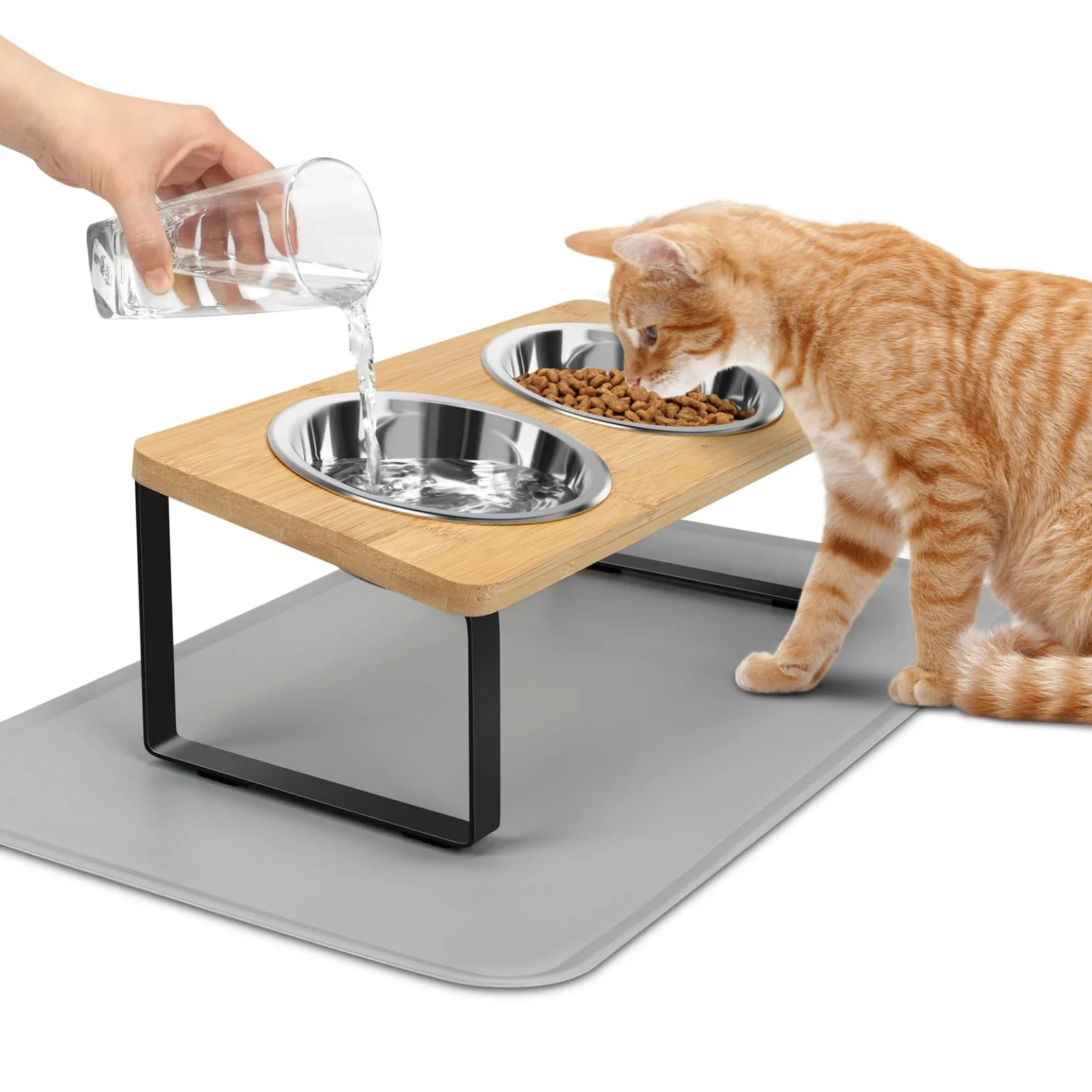 Feeding Mats
 Pet Bowls
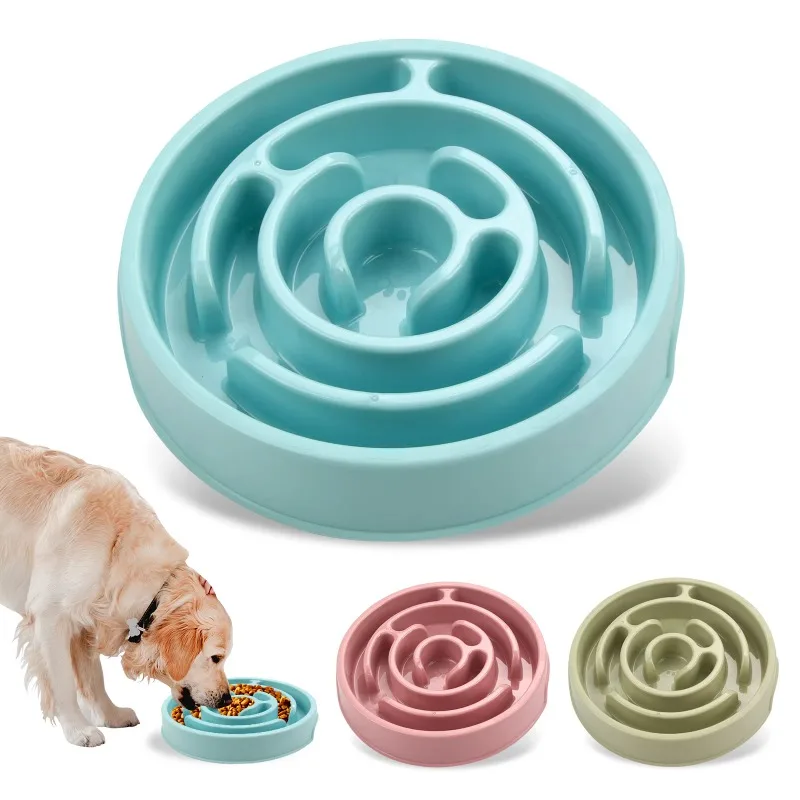 Slow Feed Bowls
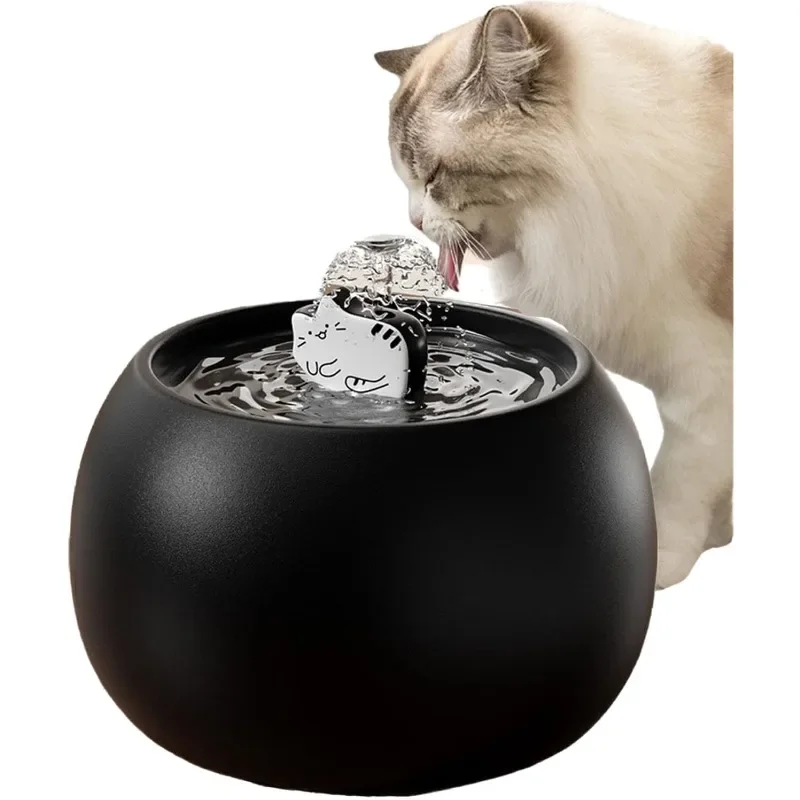 Water Dispensers
 Grooming & Care
 Cleaning Tools
 Grooming Gloves
 Nail Clippers
 Pet Brushes
 Other
Other Pet Accessories
 Harnesses
 Leashes
 Tags
Tags Pet Apparel
 Cat Apparel
 Pet Costumes
 Pet Diapers
 Pet Life Jackets
 Pet Homes & Crates
 Cat Trees & Scratching Furniture
 Dog Crates
 Indoor Pet Houses
 Pet Beds & Houses
 Pet Carriers
 Small Pet Habitats
 Pet Toys
 Cat Toys
 Dog Toys
 Interactive Toys
 Plush Toys
 Reptile Supplies
 Reptile Accessories
 Reptile Feeders & Bowls
 Reptile Habitats & Terrariums
 Reptile Heating & Lighting
 Reptile Hideouts & Decor
 Reptile Humidity & Climate
 Portable Water Bottles
 Travel Bags
How to Choose the Right Automatic Pet Feeder for Cats, Dogs, or Wet Food
How to Choose the Right Automatic Pet Feeder for Cats, Dogs, or Wet Food
Shopping for an automatic pet feeder sounds simple until you realize the advice gets vague fast. A feeder that works well for one indoor cat may be frustrating for a large dog, and a model that handles dry kibble just fine may be the wrong choice for wet food entirely. That is why a useful pet feeder buying guide has to start with fit, not hype.
The right automatic pet feeder depends on three practical questions: what kind of pet you are feeding, what kind of food they eat, and how closely the feeder needs to match your routine. Cats, dogs, and wet-food feeding plans all stress different parts of a feeder. If you know where those differences matter, it gets much easier to avoid buying the wrong type.
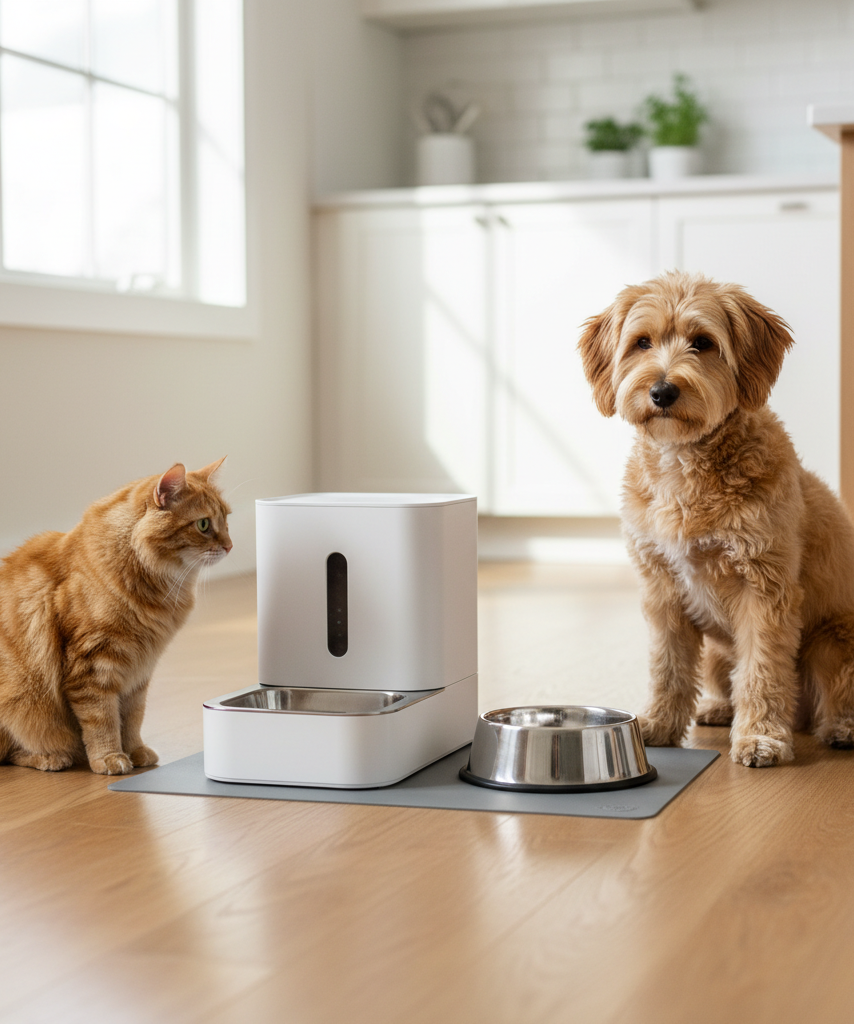
What Changes When Buying an Automatic Pet Feeder for Cats vs Dogs
An automatic pet feeder for cats is often chosen around portion control, meal frequency, and keeping food secure between meals. Cats commonly do better with smaller scheduled servings, especially if they tend to graze, wake owners early for breakfast, or need more controlled calorie intake.
When buying for cats, look closely at:
- smaller, repeatable portion settings
- secure lids and food storage that curious cats cannot pry open
- quiet operation for timid pets
- scheduling that supports several small meals per day
An automatic pet feeder for dogs changes the priorities. Many dogs eat larger portions, may push against the feeder physically, and can be much less patient about delayed meals. That means hopper size, bowl stability, and reliable dispensing usually matter more than extra fine-tuning.
When buying for dogs, pay more attention to:
- whether the feeder can handle larger meal sizes
- how sturdy the body and bowl area are
- whether kibble size could jam the mechanism
- how often the hopper would need refilling for a medium or large dog
This is where generic “best automatic pet feeder” recommendations start falling apart. The best automatic pet feeder for dogs is not automatically the best automatic pet feeder for cats, because species, appetite, and feeding style change what counts as useful.
Dry Food vs Wet Food Compatibility Is a Bigger Deal Than Most Product Pages Admit
A lot of shoppers assume any automatic pet feeder can handle any food. That is not true. The first real fork in the road is whether you are feeding dry food, wet food, or a mix.
Automatic Pet Feeders for Dry Food
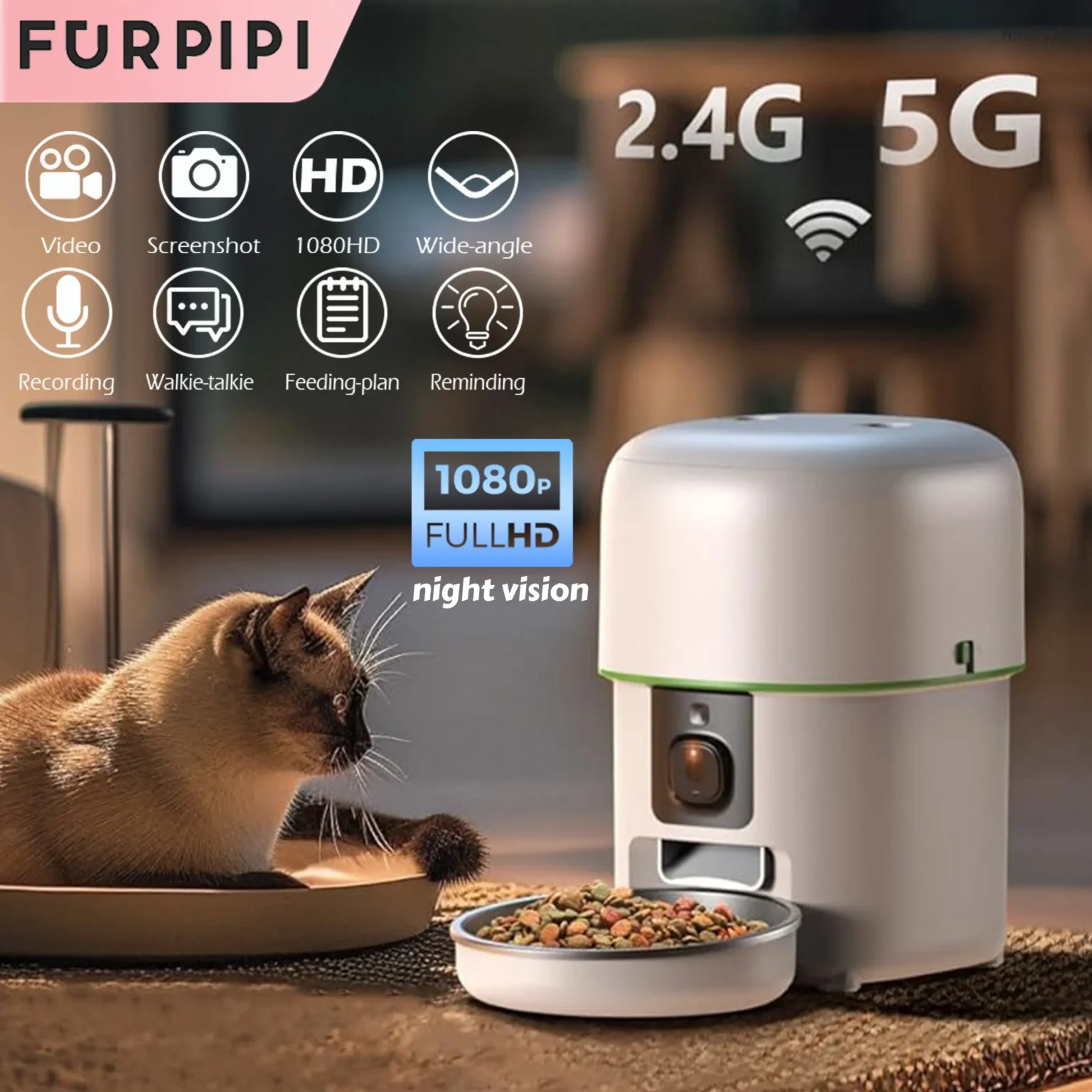
Dry-food feeders are the most common and usually the easiest to live with. They often use a hopper-and-dispense system that works well when kibble size is consistent and the pet eats on a predictable schedule.
Dry-food feeders are usually best when you want:
- larger food capacity
- several meals scheduled ahead
- lower day-to-day maintenance
- a practical solution for workdays or short trips
Automatic Pet Feeder Options for Wet Food
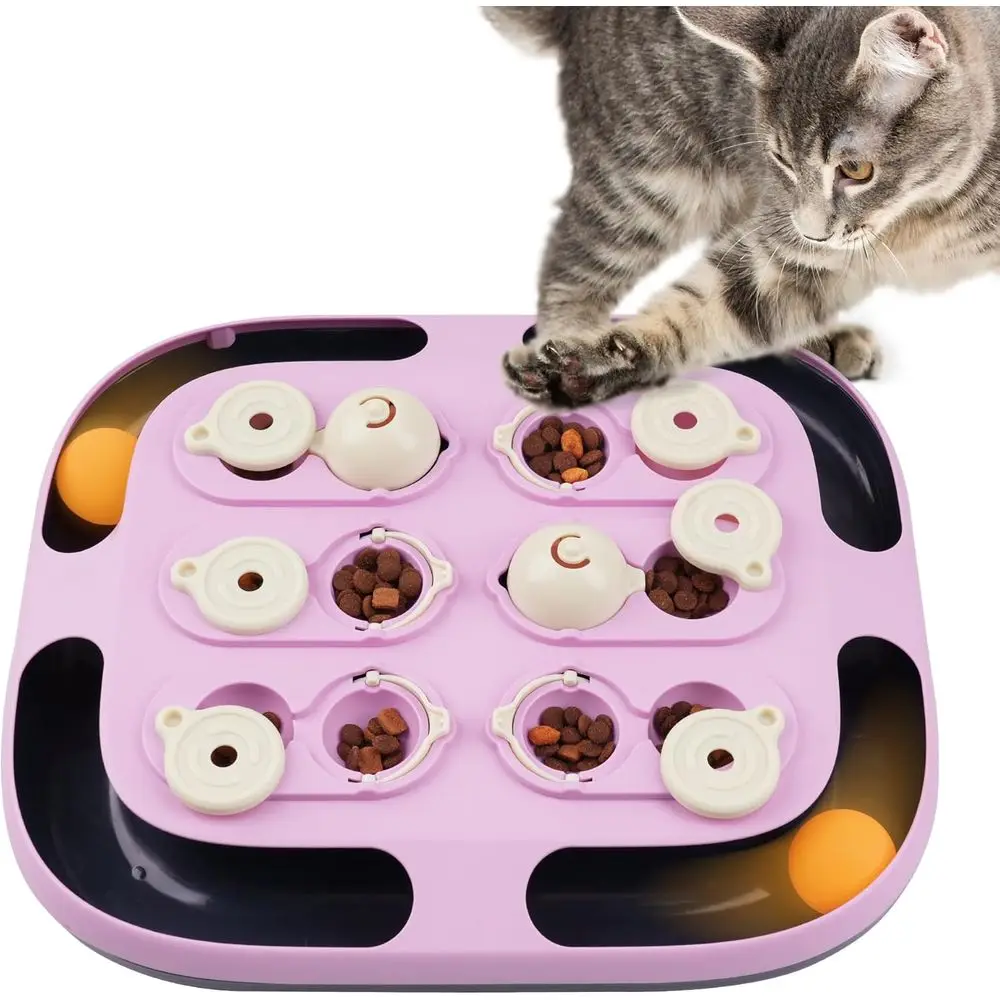
Wet food changes everything. It is more perishable, messier, and less forgiving if the tray design is awkward or hard to clean. An automatic pet feeder for wet food is usually better when it uses portion trays or rotating meal compartments rather than a basic dry kibble hopper.
If wet food is part of your routine, prioritize:
- meal compartments that suit pre-portioned servings
- easy tray removal and full cleaning access
- materials that handle repeated washing well
- a feeding schedule that matches shorter freshness windows
That is why a compartment-style model like this six-meal automatic pet feeder for wet or dry food is more relevant in a mixed wet-and-dry buying decision than a hopper feeder designed mainly for dry kibble.
Mixed Feeding Routines Need More Than Marketing Claims
If your pet sometimes eats kibble and sometimes wet meals, do not rely on a vague “works for all foods” label. Look at the actual feeding design. A feeder that is excellent for dry food storage may still be annoying for wet food because of smell, residue, or awkward cleanup.
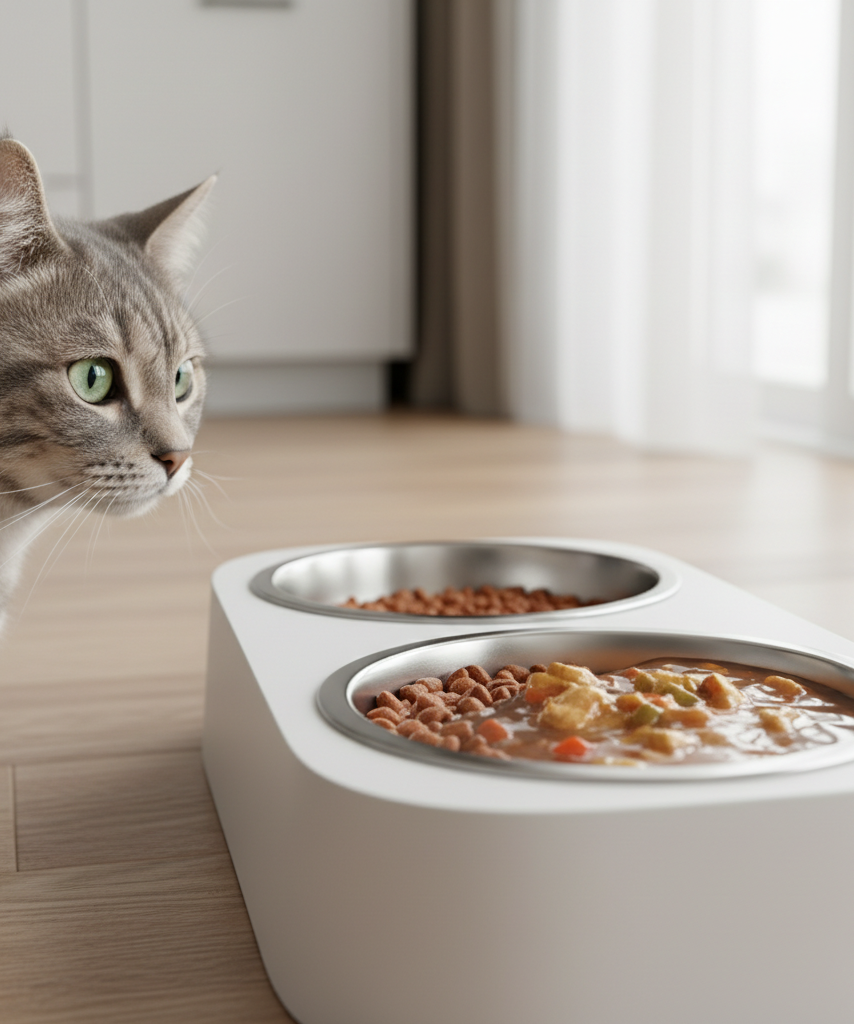
Capacity, Schedule, and Portion-Size Considerations Before You Buy
Capacity Should Match the Pet, Not Just the Product Spec
A feeder that sounds large enough on paper may still be inconvenient in real use. For cats and small dogs, moderate capacity is often enough if the feeder dispenses accurately. For bigger dogs, a small hopper can turn into constant refilling.
Ask yourself:
- how many meals per day need to be scheduled
- how long you want the feeder to cover without refilling
- whether one pet or multiple pets rely on it
- whether the feeder is for routine help or true unattended coverage
Portion Size Matters More Than Big Capacity
Capacity gets attention, but portion control is what prevents underfeeding and overfeeding. This matters for weight management, senior pets, and pets with sensitive stomachs. If the feeder cannot reliably portion meals, its convenience drops fast.
Schedule Flexibility Matters for Real Life
The best feeder is not just the one that can dispense food. It is the one that fits your actual routine. Some owners need two fixed meals per day. Others need several smaller meals, especially for cats or pets that do better with spaced feeding.
The more your schedule changes, the more important it becomes to choose a feeder that makes schedule edits easy rather than annoying.
Cleaning, Blockage, and Reliability Checks Before Buying
These are the boring checks that save the most regret.
Cleaning Access
If the food path, bowl, tray, or lid is awkward to remove, the feeder will get irritating fast. This is especially true for wet food, where residue and odor become part of the buying decision.
Blockage Risk
Not all kibble shapes move through feeders equally well. Some units are fine with standard dry pellets but struggle with larger or odd-shaped pieces. Before buying, check whether the feeder design looks realistic for your pet’s normal food.
Reliability Over Extras
Fancy features are easy to advertise, but dependability is what matters most. A simple feeder that dispenses on time is more valuable than a feature-packed model that creates missed meals, jams, or cleanup headaches.
A smart shortlist should include these final checks:
- is it designed for cats, dogs, or both in a believable way
- does the feeding style actually match dry food, wet food, or mixed meals
- are the portions realistic for your pet’s size
- does cleaning look easy enough to keep up long term
- does the feeder seem sturdy enough for the way your pet eats
Final Take: Choose the Feeder Type Before You Choose the Brand
If you want to choose the right automatic pet feeder, start by matching the feeder style to the pet and the food rather than chasing generic rankings. Cats often benefit from smaller, repeatable meals. Dogs usually need more capacity and sturdiness. Wet food needs tray-based compatibility and easier cleaning. Dry food usually rewards larger-capacity hopper convenience.
The best automatic pet feeder is the one that fits your pet’s species, meal size, food format, and daily routine without creating extra maintenance or reliability problems. Once you get those fundamentals right, the rest of the feature list becomes much easier to judge.