 Bird Supplies
 Bird Accessories
 Bird Cages & Carriers
 Bird Feeders
 Bird Nests & Beds
 Bird Toys
 Feeding Supplies
 Automatic Feeders
 Feeding Mats
 Pet Bowls
 Slow Feed Bowls
 Water Dispensers
 Grooming & Care
 Cleaning Tools
 Grooming Gloves
 Nail Clippers
 Pet Brushes
 Other
Other Pet Accessories
 Harnesses
 Leashes
 Tags
Tags Pet Apparel
 Cat Apparel
 Pet Costumes
 Pet Diapers
 Pet Life Jackets
 Pet Homes & Crates
 Cat Trees & Scratching Furniture
 Dog Crates
 Indoor Pet Houses
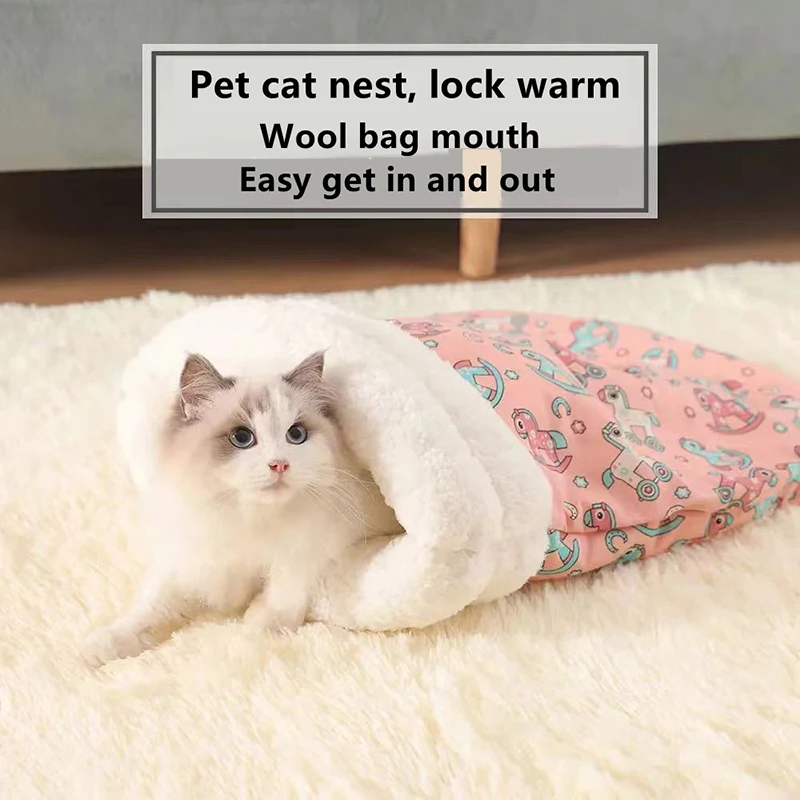 Pet Beds & Houses
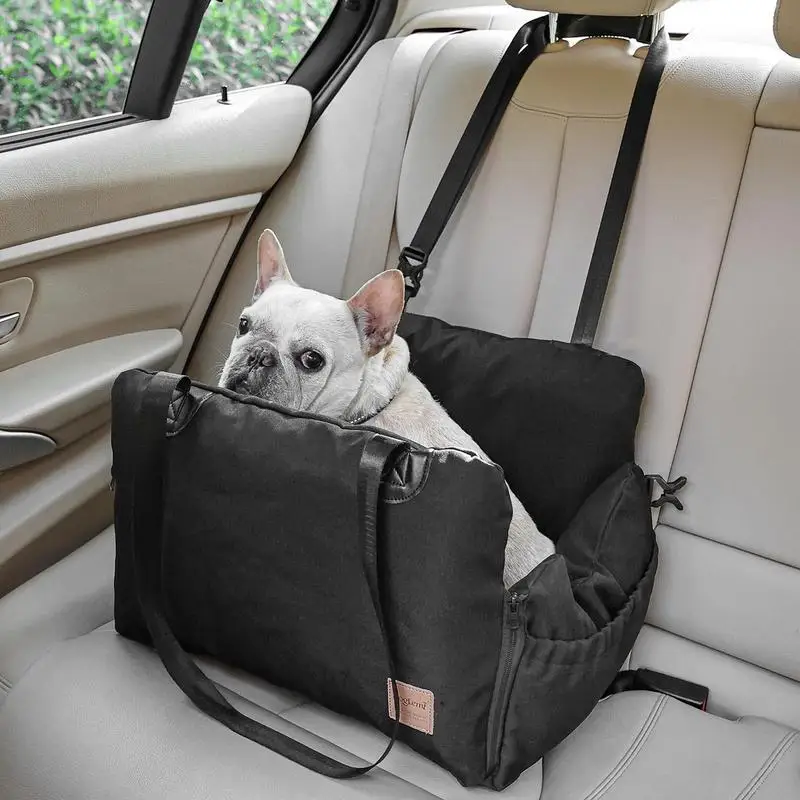 Pet Carriers
 Small Pet Habitats
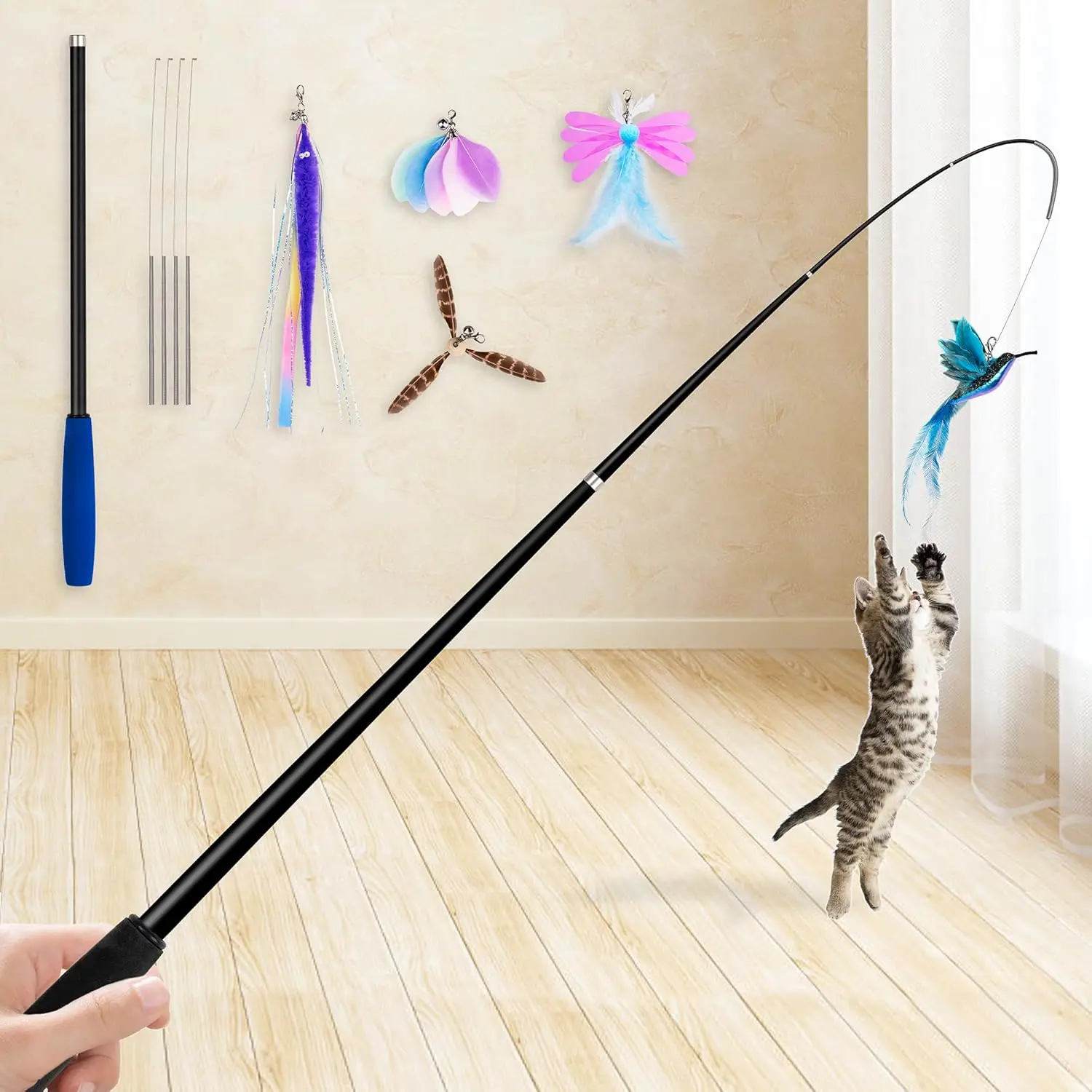 Pet Toys
 Cat Toys
 Dog Toys
 Interactive Toys
 Plush Toys
 Reptile Supplies
 Reptile Accessories
 Reptile Feeders & Bowls
 Reptile Habitats & Terrariums
 Reptile Heating & Lighting
 Reptile Hideouts & Decor
 Reptile Humidity & Climate
 Portable Water Bottles
 Travel Bags
How to Get a Cat Into a Carrier Without Stress Before a Vet Visit or Trip
To get a cat into a carrier without stress, normalize the carrier before the trip, use scent and treats, choose the easiest loading style, and avoid last-minute forcing when possible. The biggest mistake most owners make is bringing the carrier out only when something unpleasant is about to happen. When the cat learns that the carrier always predicts a vet visit, panic starts before you even reach for it.
If you want the smoothest routine, start carrier prep days before the trip instead of minutes before leaving. A calm, familiar cat carrier plus a predictable loading routine usually works better than chasing, grabbing, or trying to “just get it over with.”
Quick answer: easiest low-stress carrier routine
If you need the short version, this is the most reliable low-stress approach:
- Leave the carrier out early so it becomes part of the room.
- Add familiar bedding that smells like home.
- Toss treats inside and reward any voluntary approach.
- Use calm handling and close the door only after the cat is settled.
- If your cat is nervous, a top-loading carrier or wide-opening design is usually easier than forcing entry through a small front door.
- On trip day, keep the room quiet and avoid chasing your cat around the house.
The core relationship is simple: more carrier familiarity -> less resistance, while more rushing and restraint -> more stress.
Why cats resist the carrier in the first place
Most cats do not hate the carrier as an object. They hate the pattern around it. The carrier often appears suddenly, gets pushed toward them, then leads to a car ride, strange smells, and a vet visit. After a few repetitions, your cat connects the sight of the carrier with loss of control.
Common reasons a cat resists include:
- the carrier only appears before stressful events
- the inside smells unfamiliar or chemical
- the doorway feels narrow or awkward
- the cat has been pushed or dragged into it before
- the trip itself includes loud movement and unsettling handling
That is why cat carrier training works best when the training starts long before the appointment.
Step 1: make the carrier part of normal life
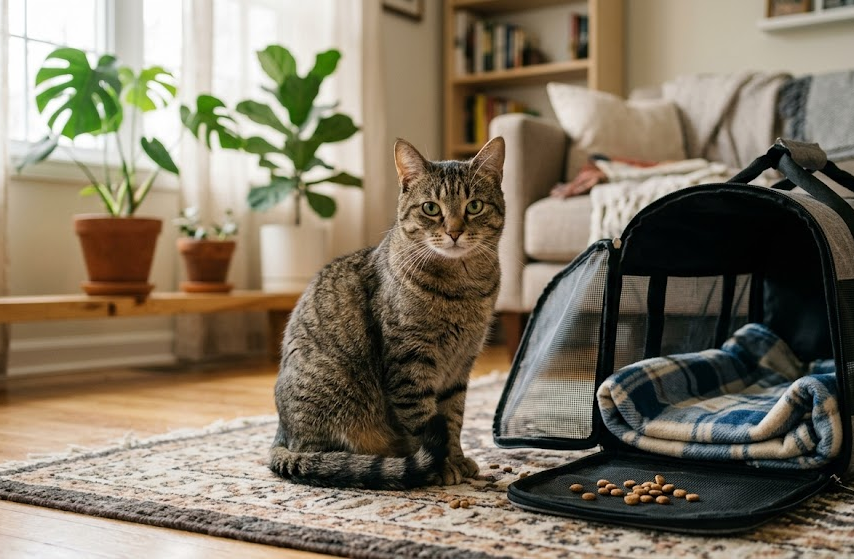
The easiest way to make a cat accept a carrier is to stop treating it like emergency equipment. Put it in a familiar room several days before a vet visit or travel day. Leave the door open. Add a blanket, towel, or small bed your cat already uses.
You want the carrier to become one more boring part of the environment. Curiosity is your friend here. Let your cat investigate at its own pace instead of trying to stage a dramatic training session.
Best setup habits
To make the carrier more appealing:
- place it in a room where your cat already naps
- keep the bottom stable so it does not wobble
- use soft bedding with familiar scent
- leave a few treats inside from time to time
- drape a light towel partly over the top if your cat likes more shelter, but keep airflow open
A practical option for this kind of leave-it-out routine is a <a href=”https://pawmarketplace.com/product/pet-carrier-bag-airline-approved-up-for-cats-and-dogs-up-to-20lbs-soft-cat-carrier-dog-carrier-travel-kitten-carrier-with-mat/”>soft-sided cat carrier with a washable mat</a> because the cushioned interior and travel-ready shape fit both home acclimation and real trip use without switching gear at the last minute.
Step 2: use treats, scent, and small wins
Once the carrier is part of the room, build positive associations in tiny steps. Do not wait for full entry before rewarding. Reward looking at the carrier, walking toward it, sniffing it, and putting one paw inside.
Helpful tools include:
- favorite treats used only for carrier practice
- familiar bedding or a worn T-shirt with your scent
- a toy your cat already likes
- a synthetic calming pheromone spray used on bedding in advance, not sprayed directly on the cat
This is where many owners accidentally go too fast. If your cat is cautious, success might mean sitting next to the carrier on day one. That still counts.
Step 3: choose the easiest loading style for your cat
Carrier design matters, especially if your cat freezes, backs away, or braces against the door.
Top-loading vs front-loading carrier advantages
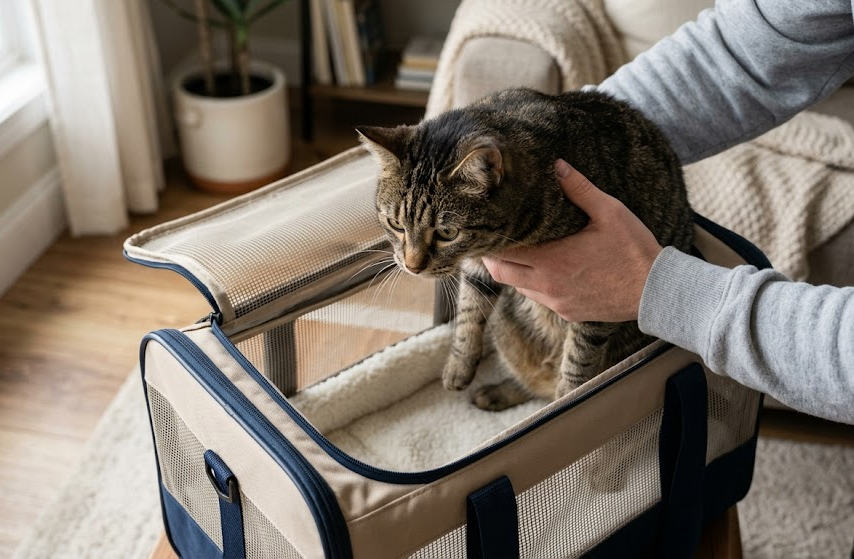
A top-loading carrier is often easier for nervous cats because it gives you a wider, less confrontational opening. Instead of pushing the cat face-first through a narrow doorway, you can lower the cat in gently while supporting the body. This usually feels smoother when a cat is tense but not actively panicking.
A front-loading carrier can still work well for confident cats that willingly walk in for treats, especially when the door opening is wide and the interior feels bright rather than cave-like. The problem is not the front door itself. The problem is trying to force a resisting cat through a tight front opening while the cat pushes back with all four legs.
What to look for in a carrier setup
Whether you choose top-loading or front-loading, look for:
- a door opening wide enough for easy entry
- ventilation on multiple sides
- a non-slippery bottom with bedding for traction
- easy-open latches so you are not fumbling on trip day
- enough room for the cat to turn comfortably without feeling oversized and unstable
For many owners preparing for cat travel prep, the best carrier is the one that lets the cat enter with the least wrestling, not necessarily the one with the most features.
Step 4: use a calm loading method on trip day
When it is finally time to leave, keep everything slower and quieter than your instincts may suggest.
Best day-of-trip sequence
- Prepare the carrier before bringing the cat over.
- Close doors to limit hiding places if needed, but do it calmly well in advance.
- Offer a treat near or inside the carrier.
- If the cat will walk in, let that happen naturally.
- If the cat hesitates, support the chest and hindquarters instead of grabbing by the scruff or pushing roughly.
- Place the cat into the carrier in one smooth motion.
- Cover part of the carrier lightly for the trip if that helps your cat stay calmer.
A lot of stress comes from hesitation, chasing, and repeated failed attempts. Your cat reads that tension immediately.
What not to do when the cat resists
If your cat is already upset, the wrong approach can turn a manageable problem into a repeated battle.
Do not
- chase your cat from room to room
- pull the cat out from a hiding place at the last second
- shove all four paws through a small opening while the cat is bracing
- yell, rush, or let multiple people crowd around
- introduce the carrier for the first time on the day of the trip
Do instead
- reduce surprises before the trip
- practice in short sessions on non-travel days
- keep the carrier familiar and accessible
- use gentle, decisive handling rather than repeated forcing
- ask your veterinarian about additional low-stress strategies if your cat has a history of panic
The goal is not to “win” against the cat. The goal is to make the process predictable enough that resistance fades over time.
Day-of-trip checklist for vet visits and travel
Use this quick trip checklist before you leave:
- carrier set up with bedding and airflow
- treats ready
- towel or light cover ready if your cat prefers less visual stimulation
- appointment details or travel plan confirmed
- extra absorbent pad in case of motion stress or accidents
- carrier secured in the car so it does not slide around
For longer travel prep, it also helps to do one or two practice sits in the carrier at home before the real day, so the trip is not the first time the door closes.
How early should you start carrier training?
Earlier is better. For a cat that only needs a refresher, a few days may be enough. For a cat with a strong negative history, you may need a couple of weeks of short, low-pressure sessions.
The pattern that matters is consistency:
- short sessions beat one long stressful session
- familiar scent beats a freshly unpacked plastic smell
- gradual progress beats trying to finish all the training in one day
FAQ
Why does my cat hate the carrier?
Most cats hate what the carrier predicts, not just the carrier itself. If it only appears before stressful events, your cat learns that seeing it means losing control and going somewhere unpleasant.
Is a top-loading carrier easier for nervous cats?
Often yes. A top-loading carrier can be easier because it gives you a wider opening and avoids forcing a tense cat straight through a narrow front door.
How early should I leave the carrier out before a trip?
At least a few days is ideal, and longer is even better for cautious cats. The more ordinary the carrier feels in the home, the less dramatic the loading process usually becomes.
What should I put inside a cat carrier for comfort?
Use soft bedding with familiar scent, and if needed add an absorbent pad underneath. Treats and a light cover for part of the carrier can also help some cats feel more secure.
Summary takeaway
If you are wondering how to get your cat in a carrier without a fight, the best answer is to stop making the carrier a last-minute event. A familiar cat carrier setup, a few small rewards, and a loading style that suits your cat can turn vet visits and travel into something far more manageable. When in doubt, prepare earlier, move slower, and avoid forcing the issue unless you truly have no safer option.