 Bird Supplies
 Bird Accessories
 Bird Cages & Carriers
 Bird Feeders
 Bird Nests & Beds
 Bird Toys
 Feeding Supplies
 Automatic Feeders
 Feeding Mats
 Pet Bowls
 Slow Feed Bowls
 Water Dispensers
 Grooming & Care
 Cleaning Tools
 Grooming Gloves
 Nail Clippers
 Pet Brushes
 Other
Other Pet Accessories
 Harnesses
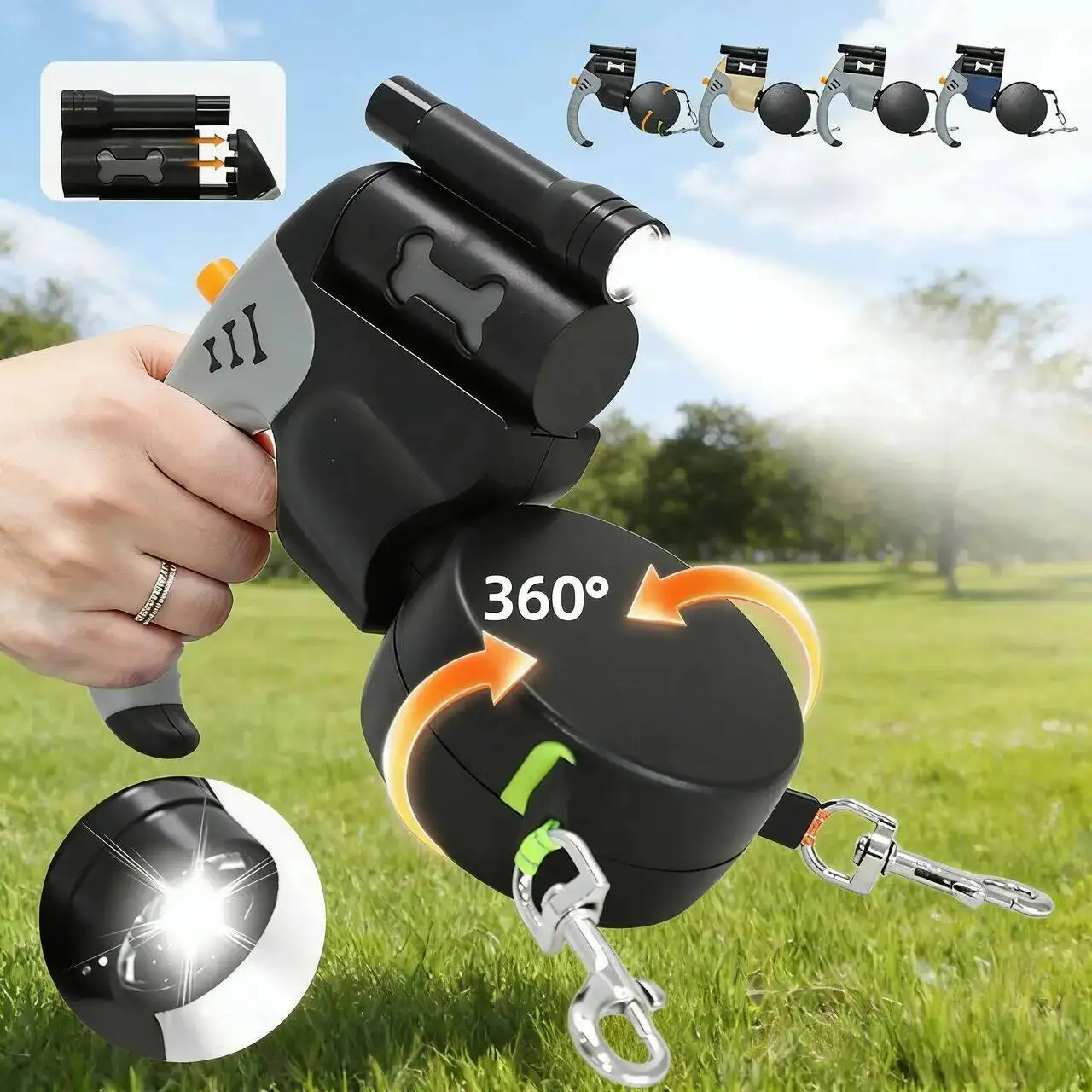 Leashes
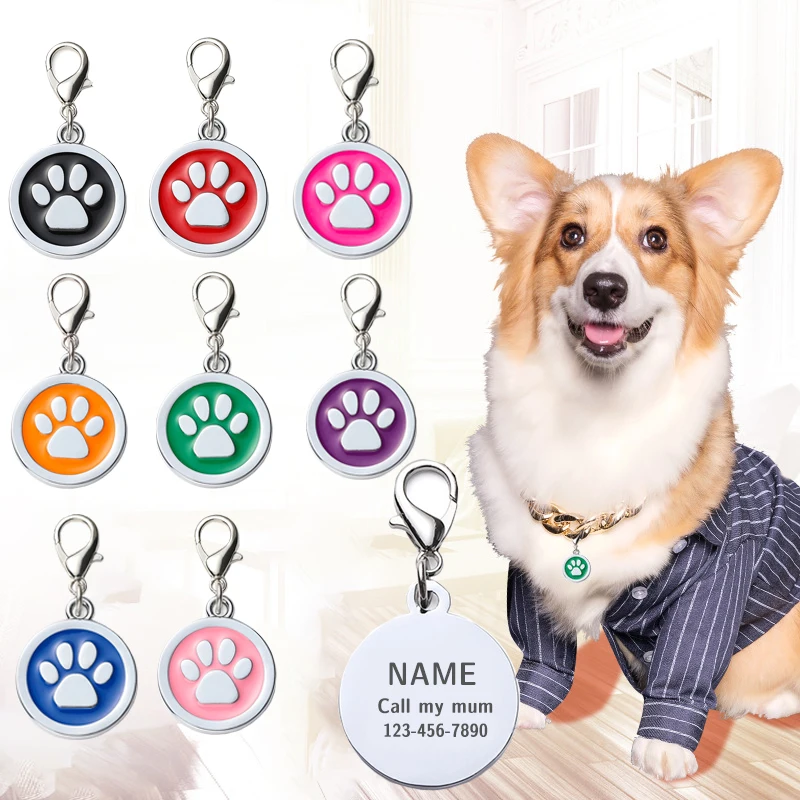 Tags
Tags Pet Apparel
 Cat Apparel
 Pet Costumes
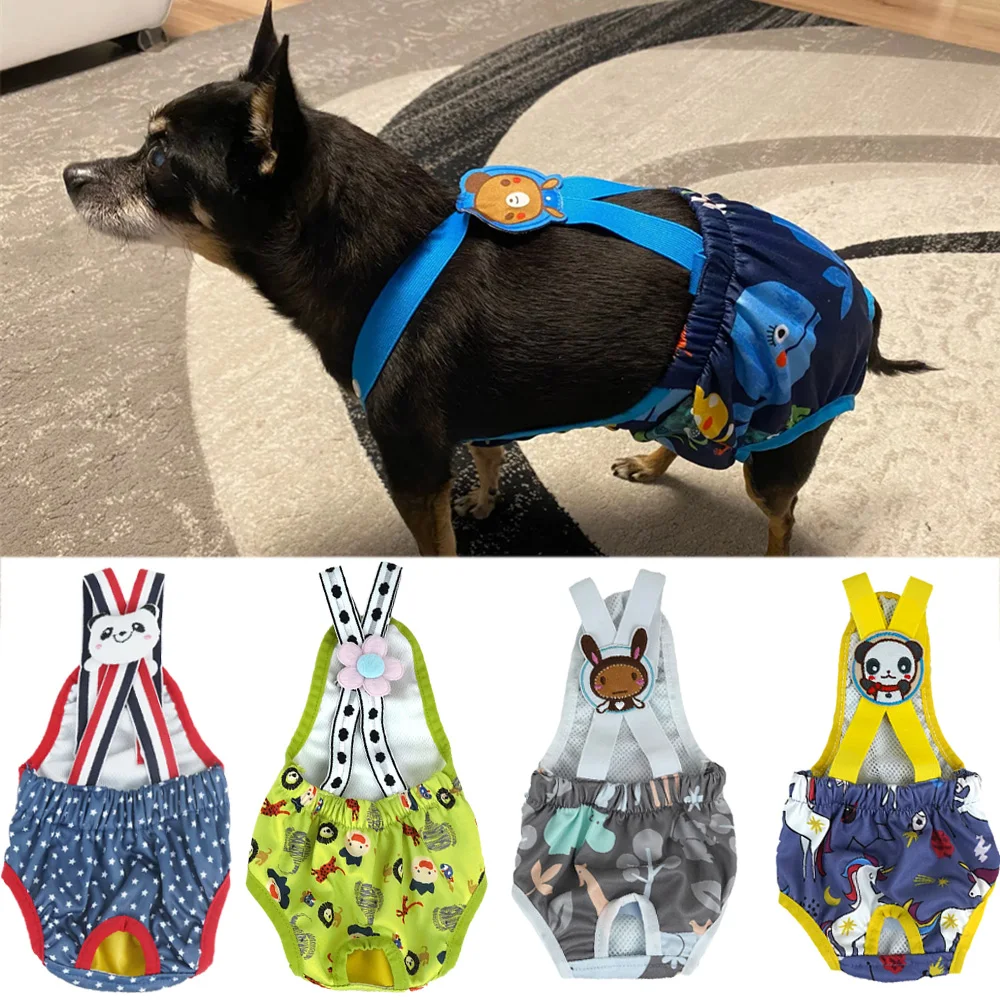 Pet Diapers
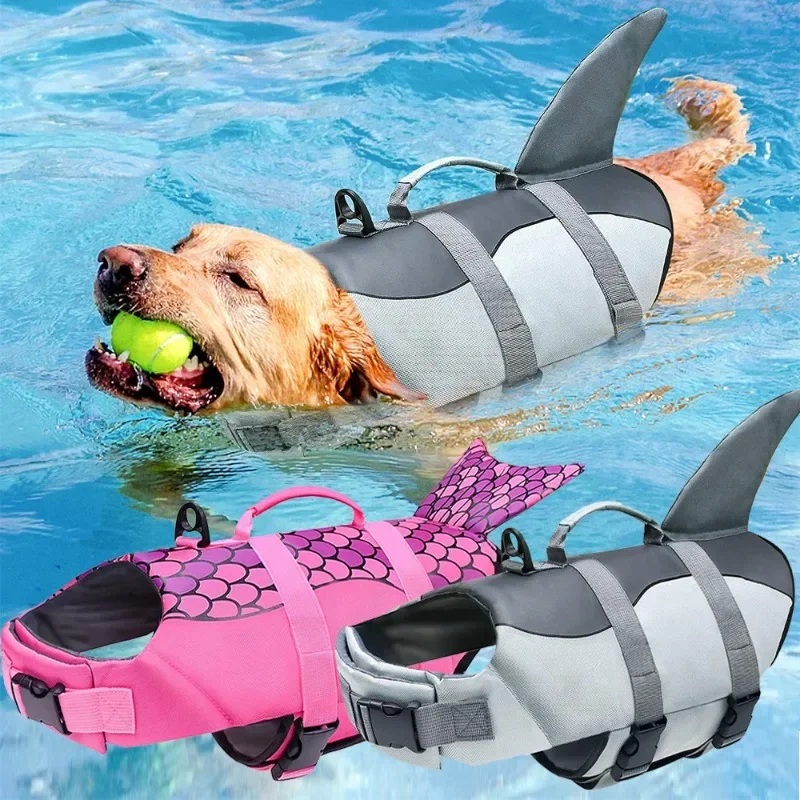 Pet Life Jackets
 Pet Homes & Crates
 Cat Trees & Scratching Furniture
 Dog Crates
 Indoor Pet Houses
 Pet Beds & Houses
 Pet Carriers
 Small Pet Habitats
 Pet Toys
 Cat Toys
 Dog Toys
 Interactive Toys
 Plush Toys
 Reptile Supplies
 Reptile Accessories
 Reptile Feeders & Bowls
 Reptile Habitats & Terrariums
 Reptile Heating & Lighting
 Reptile Hideouts & Decor
 Reptile Humidity & Climate
 Portable Water Bottles
 Travel Bags
Pet Carrier Size Guide for Cats and Small Dogs Before You Travel
Pet Carrier Size Guide for Cats and Small Dogs Before You Travel
Buying a carrier before you measure your pet is how people end up with a bag that looks cute online but feels cramped the moment their cat or dog tries to turn around. A good pet carrier size guide is not really about picking “small,” “medium,” or “large.” It is about matching your pet’s body, travel habits, and comfort needs to the actual usable interior space of the carrier.
For most cats and small dogs, the right carrier should allow them to stand with a natural posture, turn around without awkward folding, and lie down without their body being pressed hard against every side. At the same time, it should not be so oversized that they slide around and feel exposed during the trip. That balance matters whether you are planning a short car ride, a vet visit, or a longer day of travel.
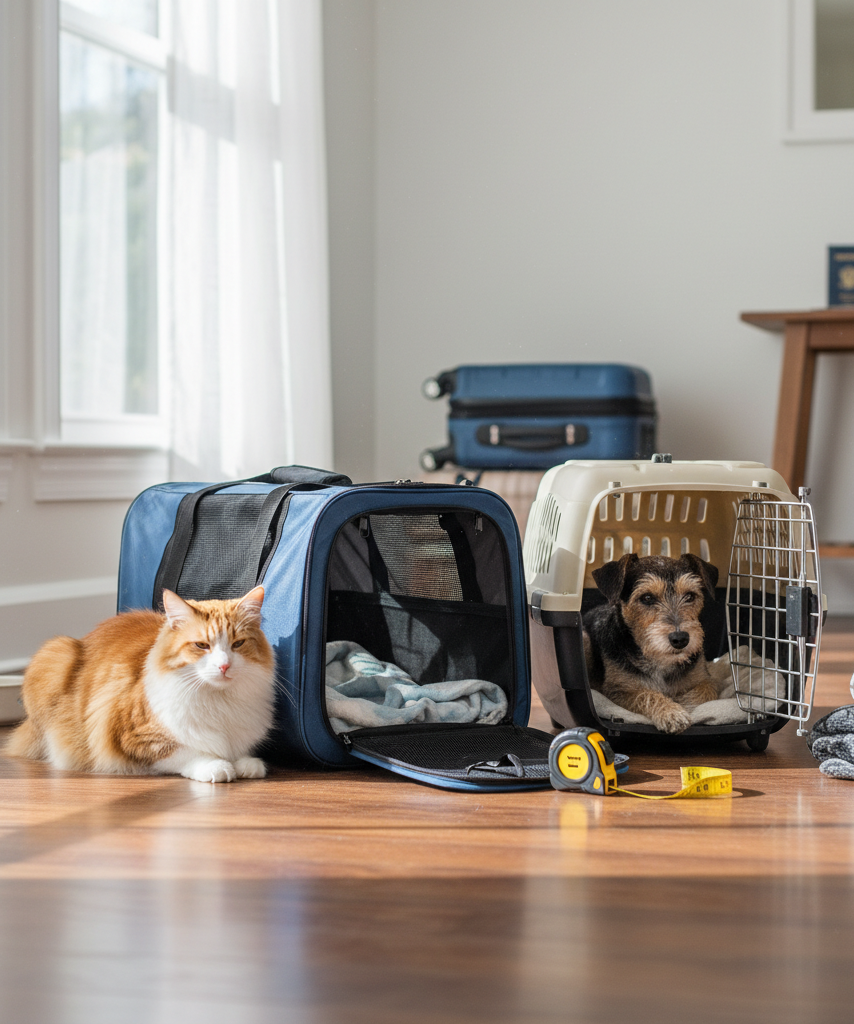
How to Measure Your Pet for a Carrier
If you want to know how to choose pet carrier size without guessing, start with measurements before you compare product listings. Carrier labels can be inconsistent, and exterior dimensions do not always tell you how much room your pet will actually have once padding, curved walls, and zippers are taken into account.
Measure body length correctly
Measure from the front of the chest to the base of the tail while your pet is standing naturally. This gives you a practical sense of the floor length your pet needs when lying down without curling too tightly.
Measure height in a realistic posture
Measure from the floor to the top of the shoulders, or to the top of the head if your pet tends to sit upright in enclosed spaces. This matters because a carrier that technically closes can still be uncomfortable if your pet spends the whole trip crouching.
Check width and body shape too
Two pets at the same weight can need different carrier sizes. A compact cat with a broad chest, a long-bodied cat, and a small dog with a fluffy coat may all fit differently even if the scale shows similar numbers.
A practical measuring routine is:
- measure length while your pet is standing calmly
- measure height from floor to shoulders
- note current weight, but do not use weight alone as the deciding factor
- add a modest comfort allowance rather than choosing a carrier with zero spare room
- remeasure puppies, kittens, or pets whose body condition has changed recently
What Comfortable Fit Actually Means
A comfortable carrier fit is not the same thing as “my pet can be zipped inside.” The goal is functional comfort. Your cat or small dog should have enough room to settle naturally, but not so much room that the carrier becomes unstable when you lift it or set it in the car.
Your pet should be able to do these three things
A well-sized carrier should let your pet:
- stand without the head, ears, or back being forced into the roof the whole time
- turn around without twisting awkwardly or backing out in frustration
- lie down in a normal resting posture instead of curling tighter than usual
Slightly roomy beats tightly packed
People often buy too small because they want the carrier to feel compact and easy to carry. But if the interior fit is too tight, your pet cannot reset posture during the trip, and that usually means more stress, more resistance, and less comfort.
Bigger is not automatically better
Oversizing causes a different problem. If the carrier is far too large for the pet, they may shift around during movement and feel less secure. Especially for cats, that stable den-like feeling matters almost as much as raw space.
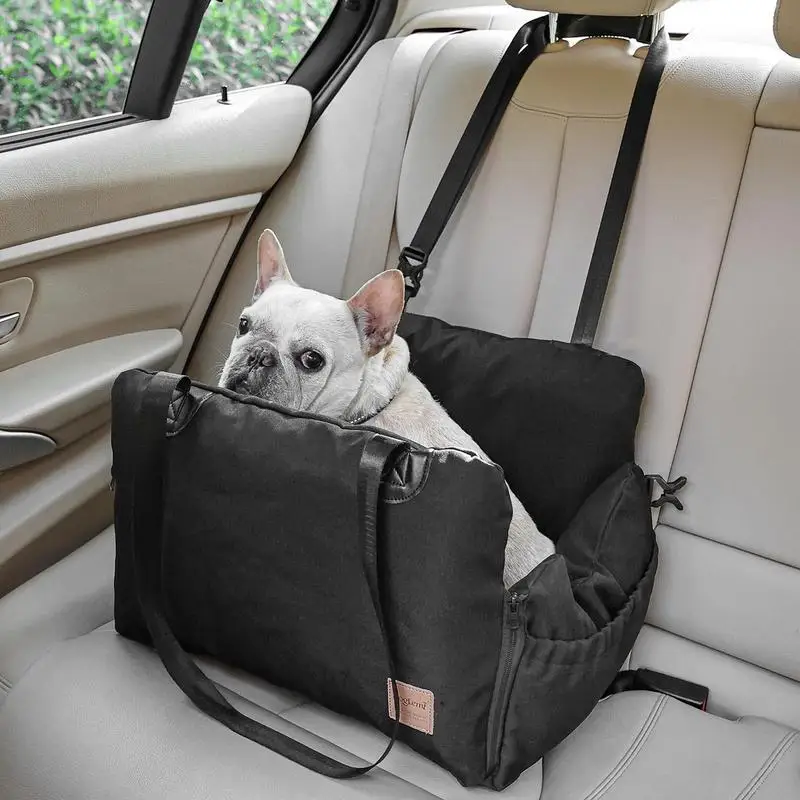
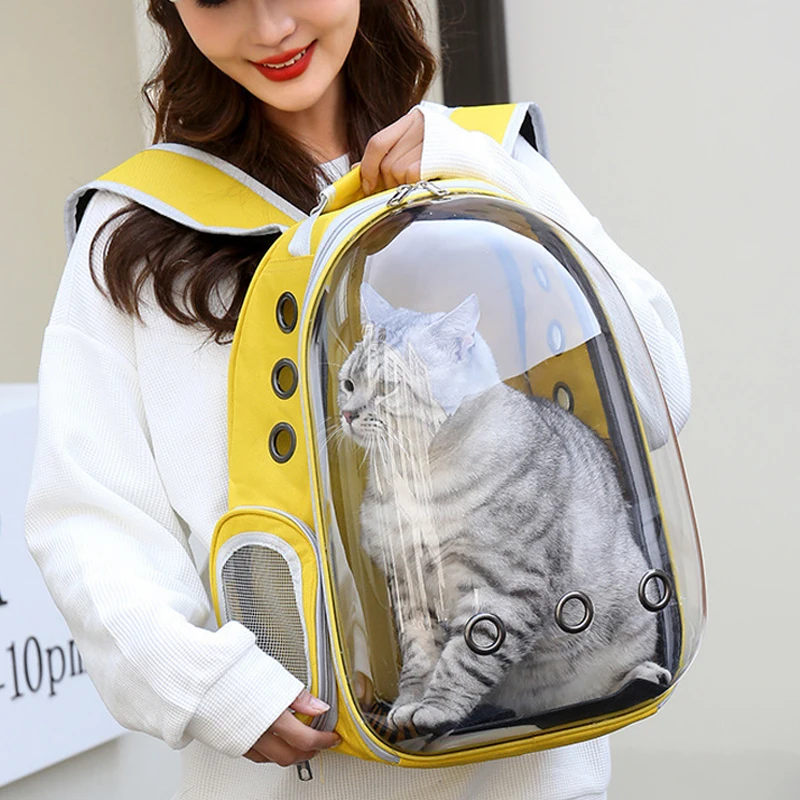
For owners comparing styles, a breathable structured travel option like this cat and small dog carrier backpack makes the fit conversation easier because the rigid shape gives you a clearer sense of usable interior space than some softer designs with heavy inward collapse.
Pet Carrier Size for Cats vs Small Dog Carrier Size
Cats and small dogs overlap in size range, but they often use carriers differently. That is why the same dimensions can feel appropriate for one pet and wrong for another.
Pet carrier size for cats
Cats usually prefer a secure and stable enclosure. They still need enough room to stand, turn, and lie down, but they often feel calmer in a carrier that feels structured rather than overly open.
When choosing pet carrier size for cats, pay close attention to:
- whether the roof height allows a natural seated posture
- whether the base feels stable when lifted
- whether the opening makes entry and exit less stressful
- whether bedding leaves enough remaining floor area
Small dog carrier size
Small dogs often shift position more during travel, look outward more often, and may need slightly more practical turning room if they stay alert the whole trip. A small dog carrier size decision should account for movement style, not just body length.
If your dog likes to reposition several times before settling, a carrier that only barely fits on paper can become uncomfortable fast.
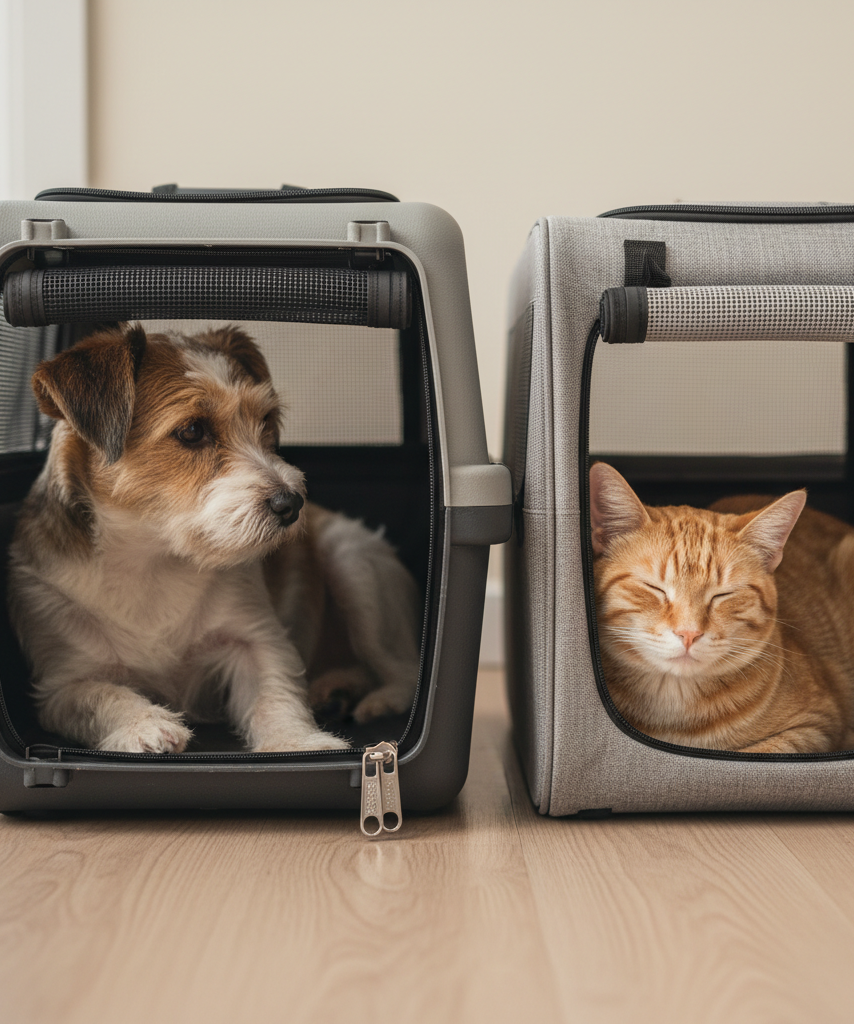
Soft-Sided vs Structured Carrier Sizing Differences
One of the easiest ways to buy the wrong carrier is to compare listed dimensions without thinking about structure.
Soft-sided carriers can feel smaller in real use
Soft carriers may look generous on a product page, but flexible walls can bow inward when lifted. Thick padding, curved tops, and sagging side panels can also reduce usable room.
Soft-sided carriers can work well when:
- your pet is lightweight
- you want a cozier feel
- a little flexibility helps with storage or carrying
But do not assume fabric walls make exact sizing less important. If the fit is already tight, flex usually makes it worse.
Structured carriers give clearer usable dimensions
Structured or more rigid carriers make it easier to judge real interior shape. They are often a safer sizing choice when your pet gets nervous in motion, because the walls stay more predictable and supportive.
This is especially useful for travelers who want a measurement-led purchase instead of relying on vague size labels.
Mistakes That Lead to Buying the Wrong Carrier
Most sizing mistakes are predictable once you know what to look for.
Mistake 1: choosing by breed alone
Breed expectations can mislead you. A slim cat and a broad cat may need different carriers even at similar weights. The same goes for small dogs with different body length and coat volume.
Mistake 2: reading only exterior dimensions
Exterior numbers can hide thick walls, tapered tops, and bulky interior pads. Always think about usable inside space, not shell size alone.
Mistake 3: assuming your pet will “make it work”
Pets do not usually adapt happily to a cramped carrier. They resist it, tense up, or spend the trip in an uncomfortable posture.
Mistake 4: forgetting the trip itself
The right pet carrier size also depends on how the carrier will be used. A five-minute ride to the groomer and a longer day of stop-and-go travel place different demands on posture, ventilation, and stability.
Mistake 5: filling the carrier with too much padding
A thick bed or folded blanket can quietly eat up the floor area your pet actually needs. Comfort helps, but not if it turns a correct size into a cramped one.
A Simple Pet Carrier Size Guide Before You Buy
Before checkout, use this quick reality check:
- compare your pet’s body length and height to the carrier’s usable interior dimensions
- make sure your pet can stand, turn, and lie down naturally
- avoid the smallest possible fit just to save space
- avoid oversized carriers that will let your pet slide around
- factor in bedding, structure, and the kind of trip you are planning
If you are between two sizes, choose based on posture and stability rather than just going bigger by default. For cats and small dogs, the best carrier size is the one that supports calm movement, comfortable rest, and controlled transport before travel ever begins.
Final Takeaway
The best pet carrier sizes are decided by measurement, usable interior room, and how your specific pet behaves during travel. If your cat or small dog can stand comfortably, turn without strain, and lie down in a natural position while still feeling secure, you are usually in the right range.
Measure first, compare interior space carefully, and think about real travel conditions instead of marketing size labels. That is the simplest way to buy a carrier that feels practical on the product page and comfortable in real life.