 Bird Supplies
 Bird Accessories
 Bird Cages & Carriers
 Bird Feeders
 Bird Nests & Beds
 Bird Toys
 Feeding Supplies
 Automatic Feeders
 Feeding Mats
 Pet Bowls
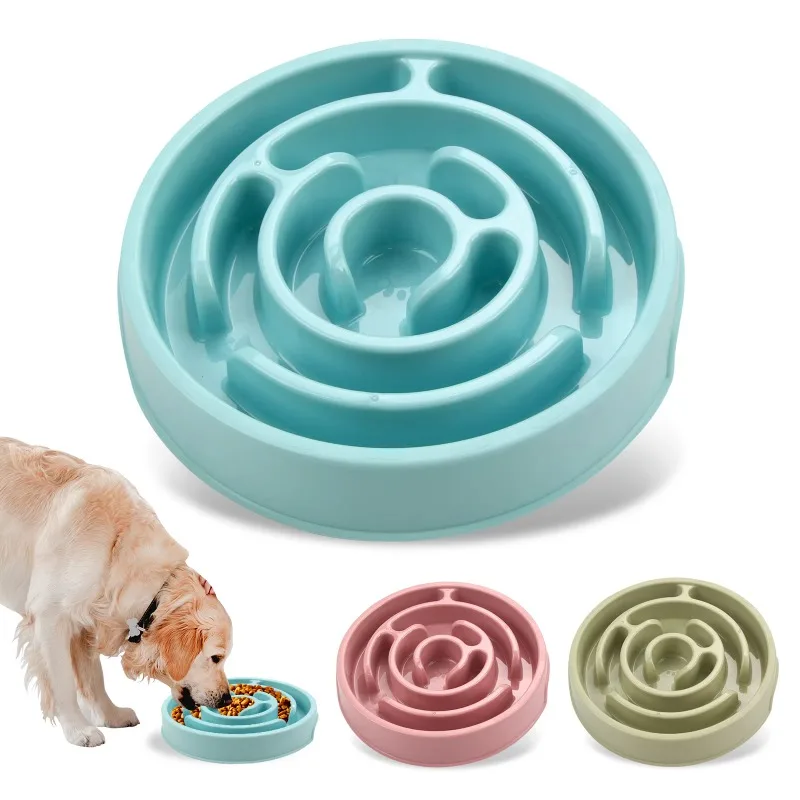 Slow Feed Bowls
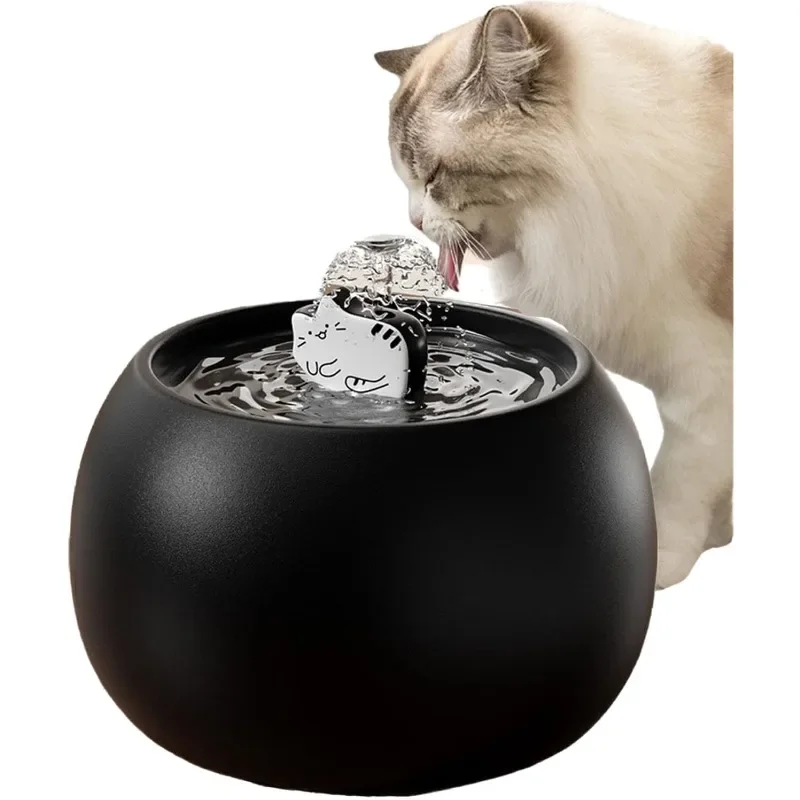 Water Dispensers
 Grooming & Care
 Cleaning Tools
 Grooming Gloves
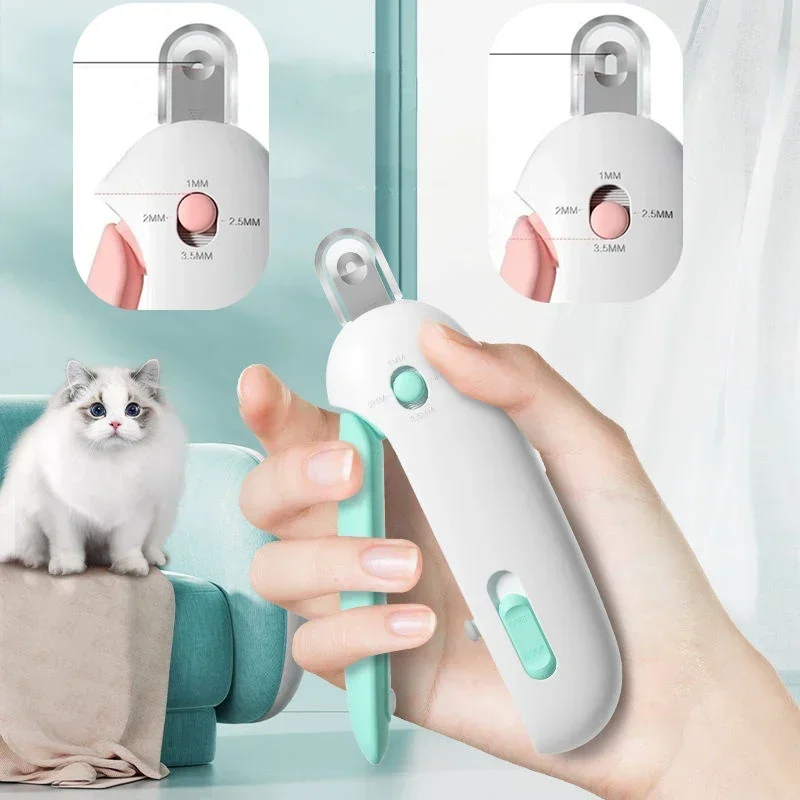 Nail Clippers
 Pet Brushes
 Other
Other Pet Accessories
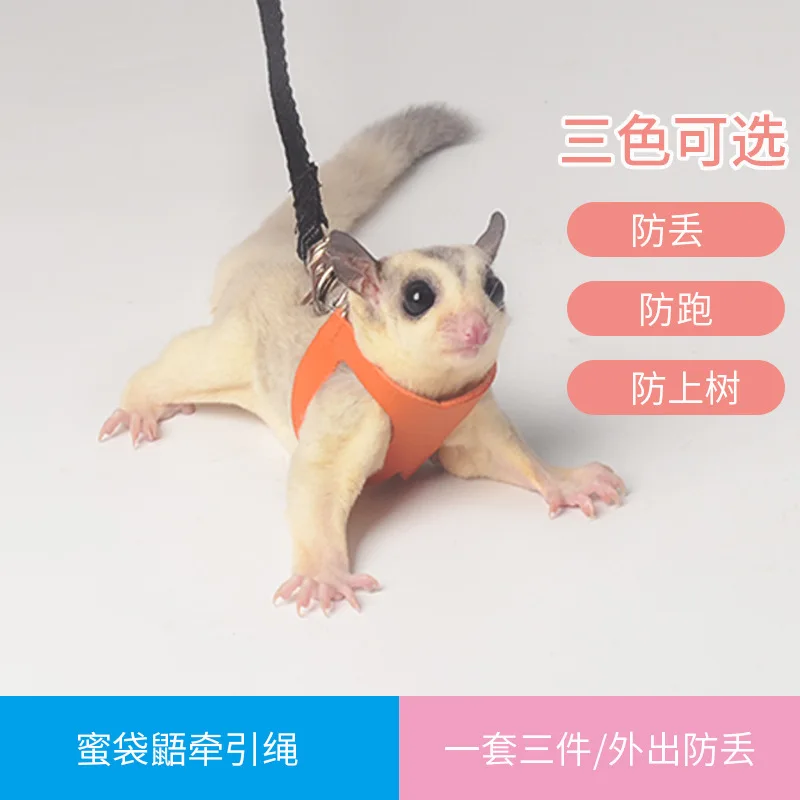 Harnesses
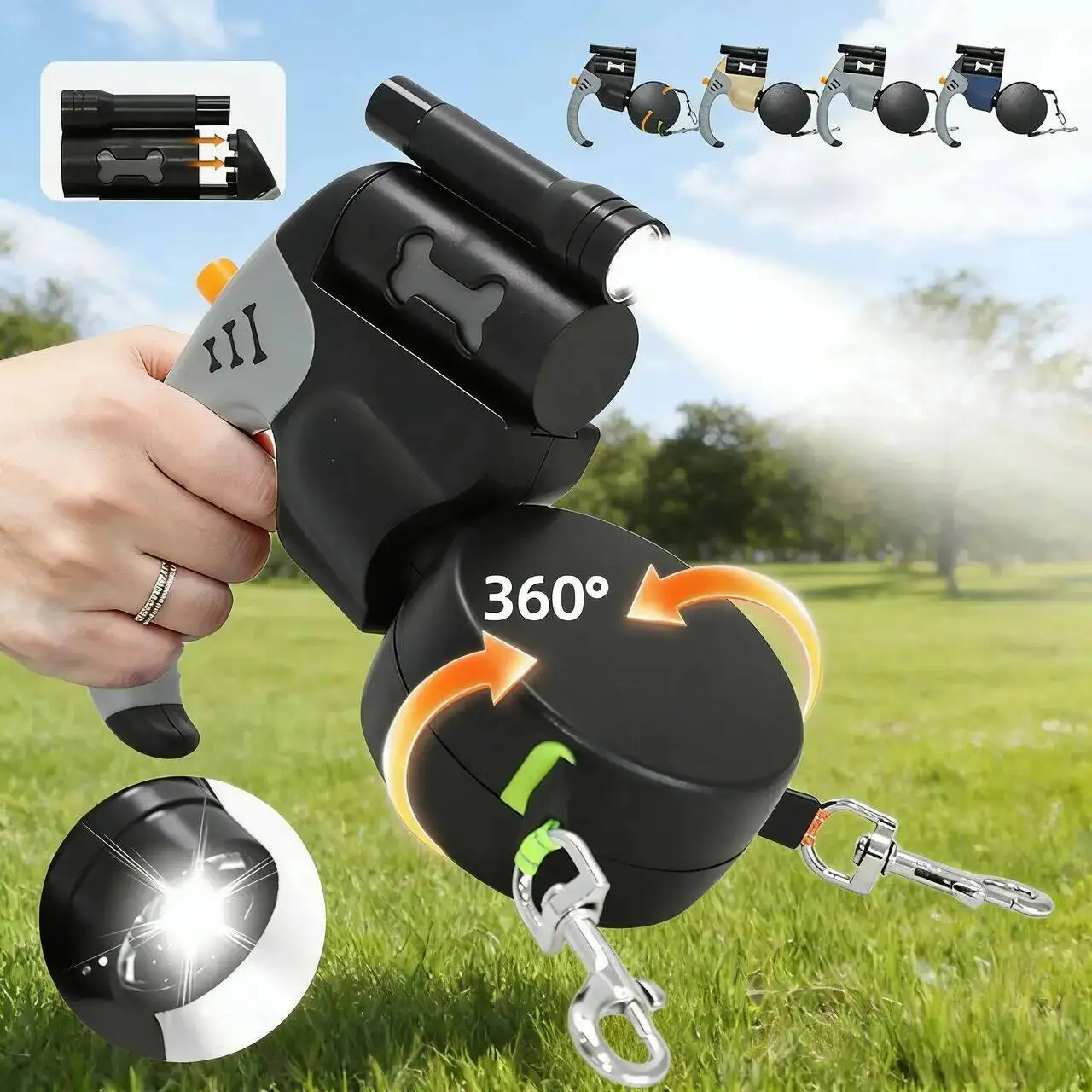 Leashes
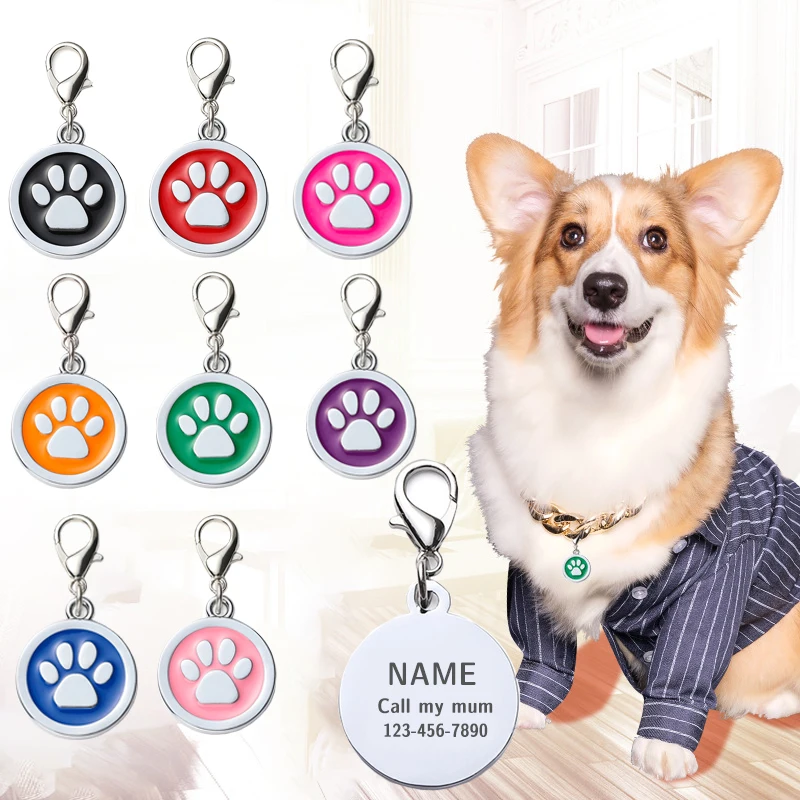 Tags
Tags Pet Apparel
 Cat Apparel
 Pet Costumes
 Pet Diapers
 Pet Life Jackets
 Pet Homes & Crates
 Cat Trees & Scratching Furniture
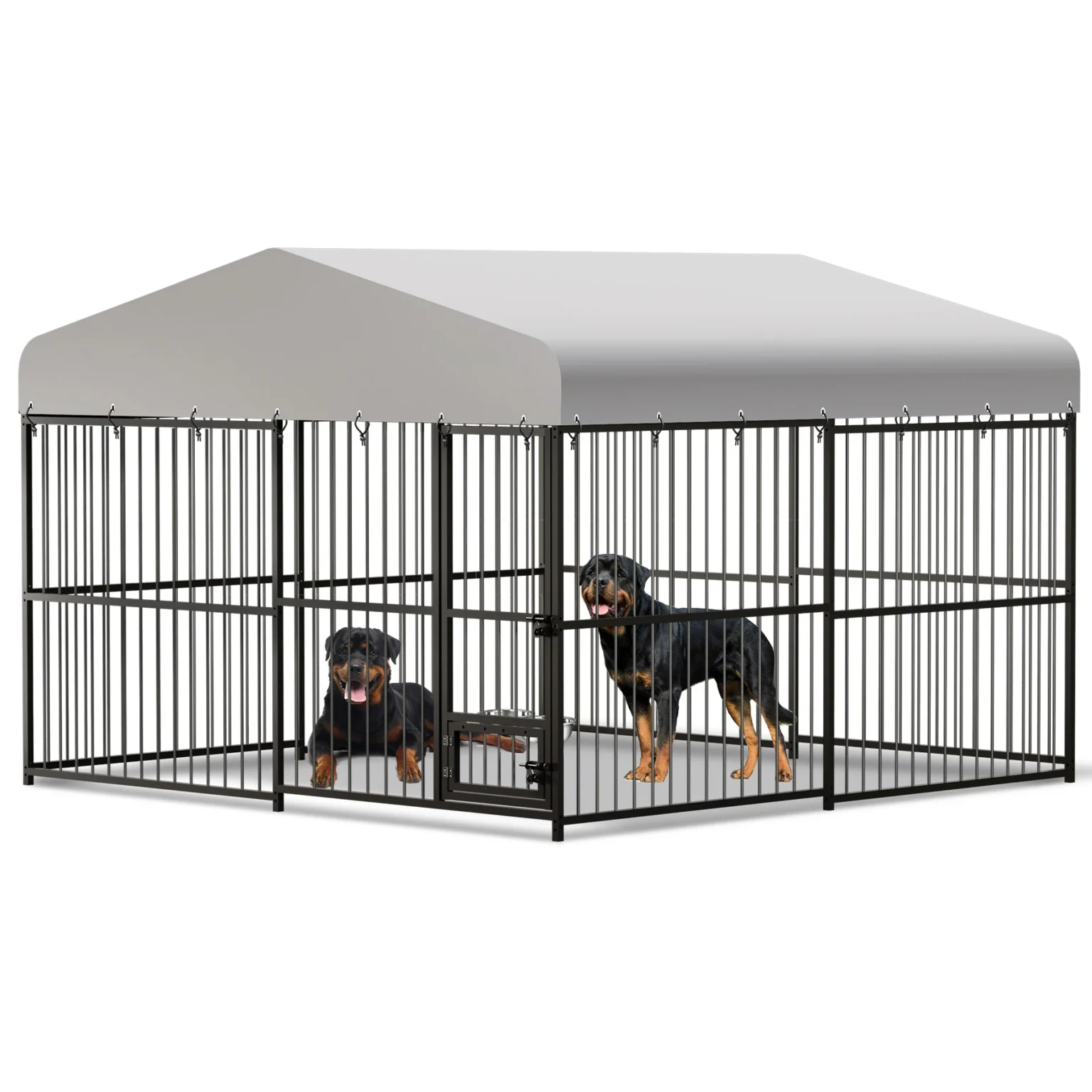 Dog Crates
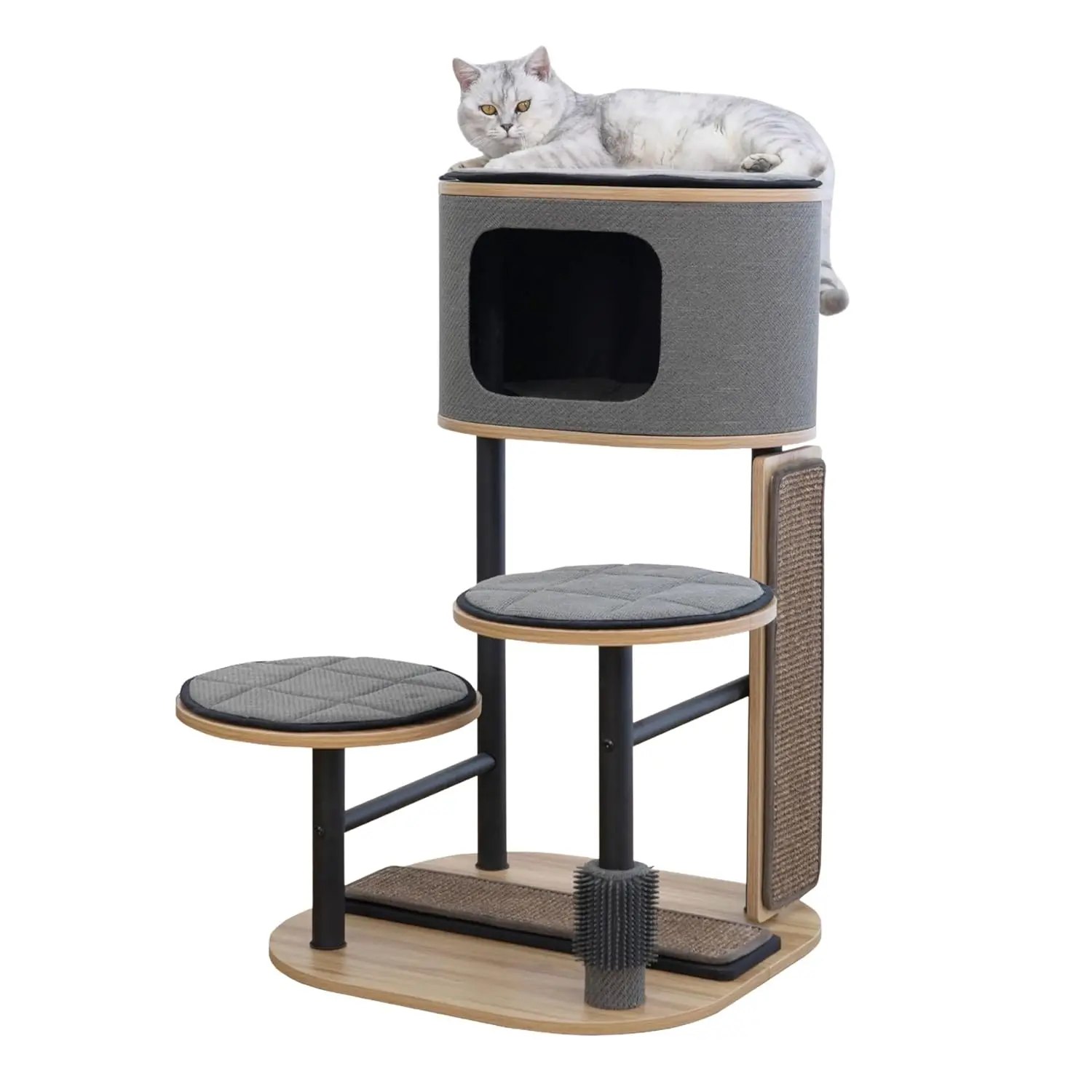 Indoor Pet Houses
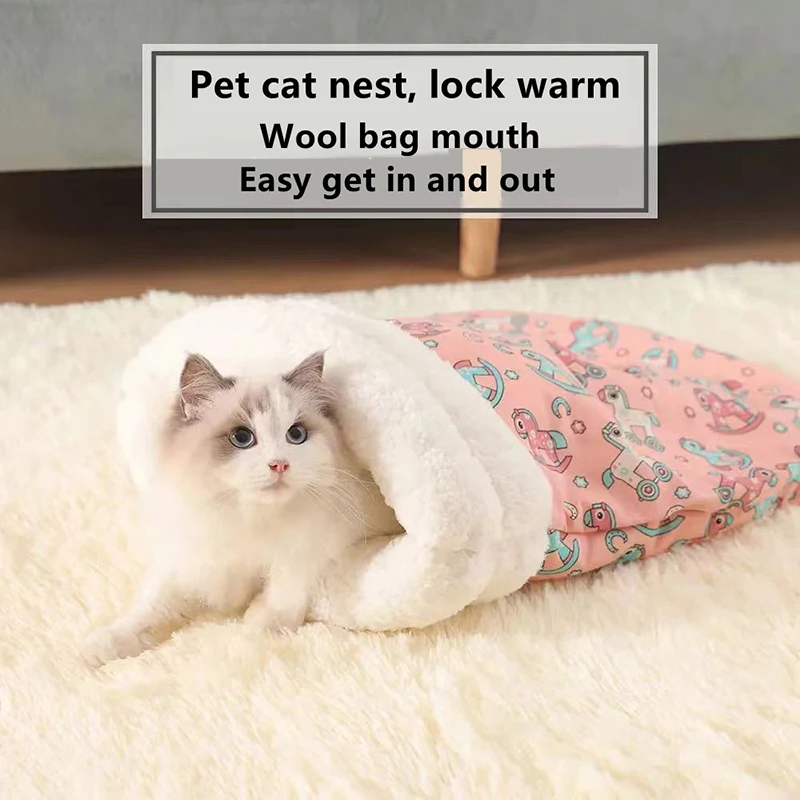 Pet Beds & Houses
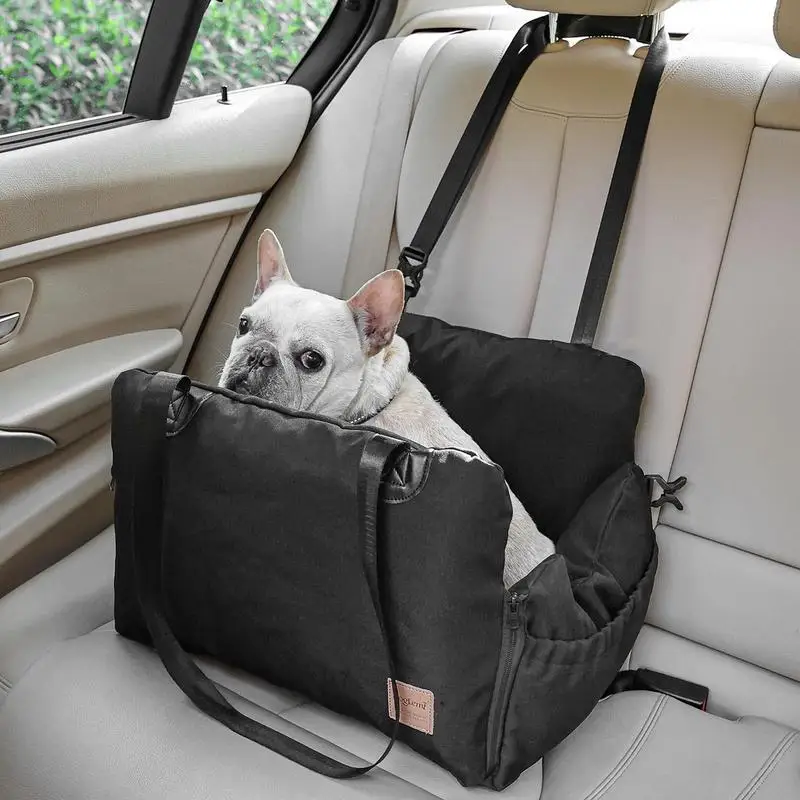 Pet Carriers
 Small Pet Habitats
 Pet Toys
 Cat Toys
 Dog Toys
 Interactive Toys
 Plush Toys
 Reptile Supplies
 Reptile Accessories
 Reptile Feeders & Bowls
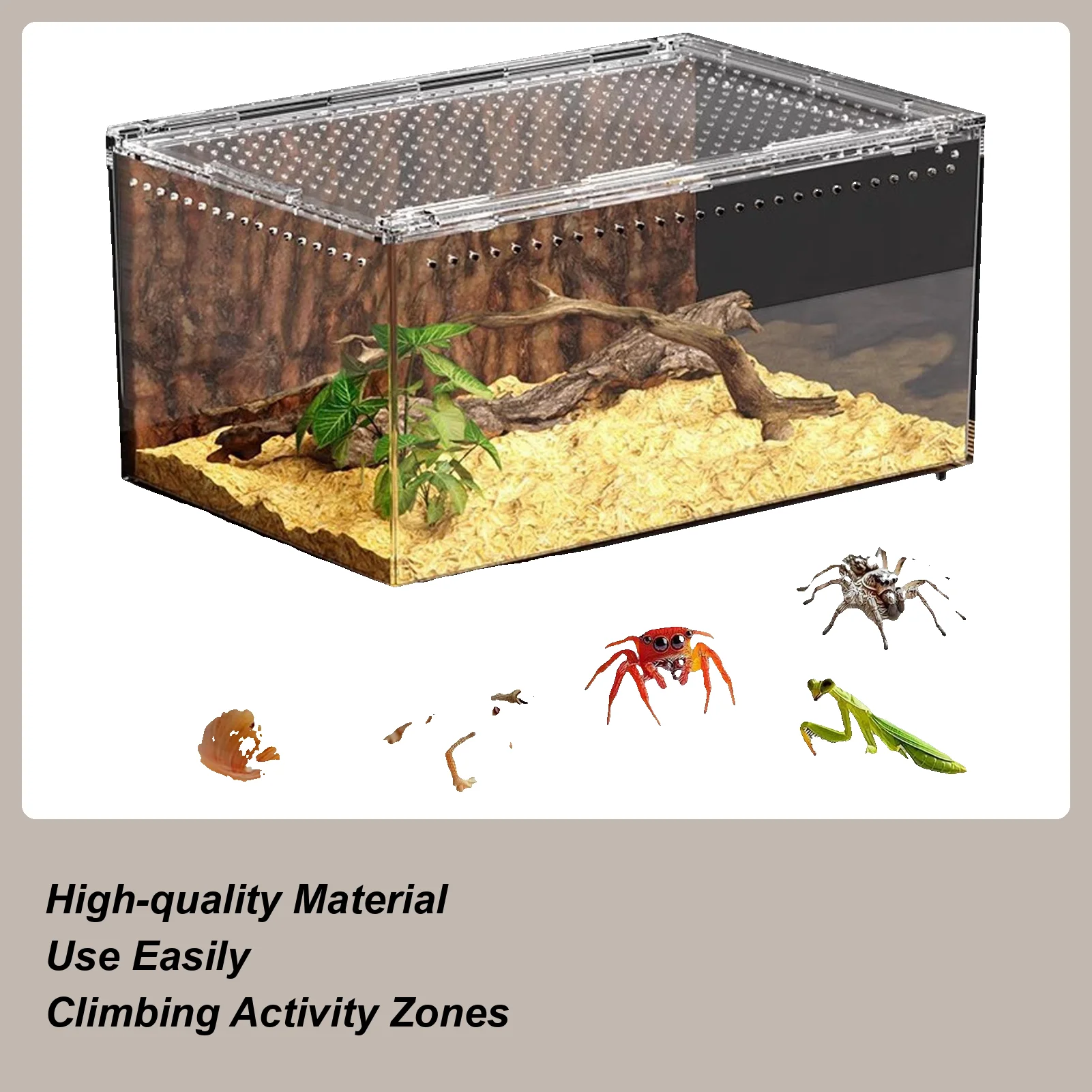 Reptile Habitats & Terrariums
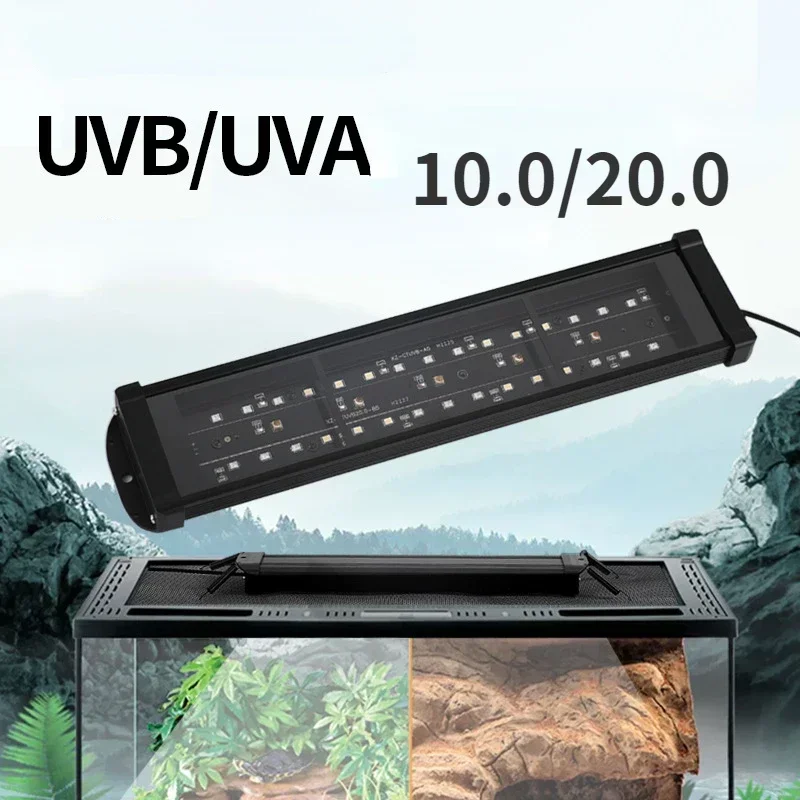 Reptile Heating & Lighting
 Reptile Hideouts & Decor
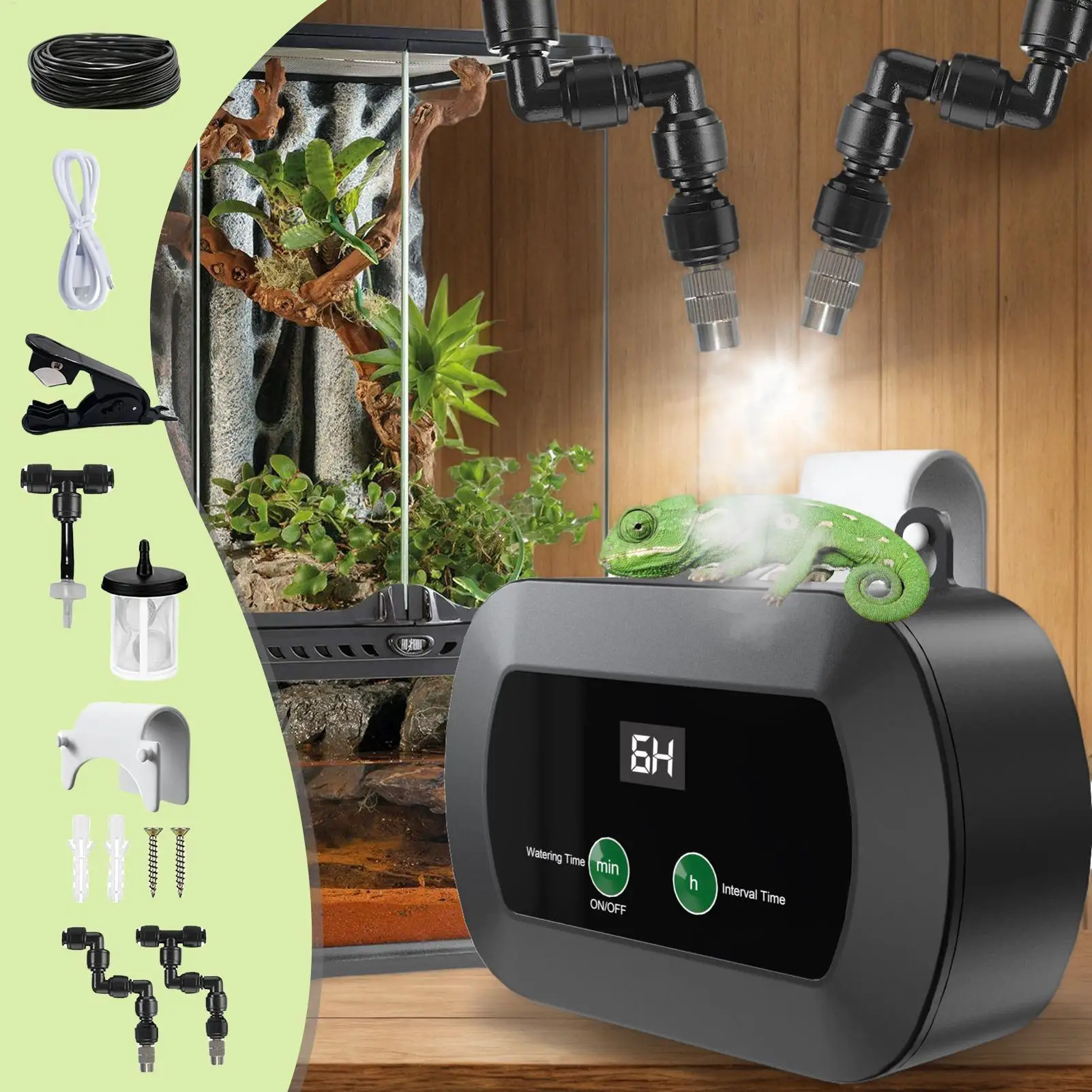 Reptile Humidity & Climate
 Portable Water Bottles
 Travel Bags
Pet ID Tag Engraved, Slide-On, or QR Code: Which Is Better for Your Dog or Cat?
Pet ID Tag Engraved, Slide-On, or QR Code: Which Is Better for Your Dog or Cat?
Engraved tags are the safest default for most pets, slide-on tags reduce noise and snagging, and QR tags work best as a backup layer instead of the only form of visible ID.
If you are choosing a pet ID tag for everyday wear, the best option usually depends on three things: how quickly a stranger can read it, how comfortable it is on your pet's collar, and whether it still works when a phone battery, data signal, or app is part of the chain. For most dogs and cats, a visible engraved pet ID tag still offers the fastest recovery advantage. A slide-on tag is often the better quiet-comfort choice for cats and some harness-wearing dogs, while a QR code pet tag works best as an added layer rather than your only visible identification.
Quick answer
Choose an engraved pet tag if you want the clearest all-around default for dogs and cats. Choose a slide-on tag if noise, dangling hardware, or snagging matters most. Choose a QR code tag only when you also keep visible contact details on the pet, because QR codes add useful backup information but are slower and less universal in a lost-pet moment.
Why pet ID still matters even with a microchip
A microchip is essential, but a microchip is not visible. The person who finds your dog or cat cannot scan it from the sidewalk, in a parking lot, or at the front desk of an apartment building. A readable pet ID tag gives immediate next-step information, while a microchip works as the deeper proof layer once the pet reaches a vet, rescue, or shelter.
That is why the strongest setup for most pets is:
- a collar or harness with visible identification
- a registered microchip with current contact details
- a tag format that matches your pet's daily wear habits
How engraved, slide-on, and QR tags work
Engraved hanging tags
Traditional engraved tags hang from the collar ring. They usually show the pet's name, one or two phone numbers, and sometimes a short address line or note such as “microchipped.” Their biggest advantage is speed: anyone can read them instantly without needing to scan anything.
Slide-on tags
A slide-on tag threads directly onto the collar instead of dangling below it. That makes it quieter and often more comfortable for cats or sensitive dogs. A silent slide-on pet tag style can be especially appealing if jingling tags bother your pet or if you want less snag risk during daily wear.
QR code tags
A QR code tag links to a profile page that can store more information than a standard tag, such as multiple contact numbers, medical notes, feeding instructions, or alternate caregivers. The tradeoff is that someone must notice the code, decide to scan it, have a phone available, and get a working result.
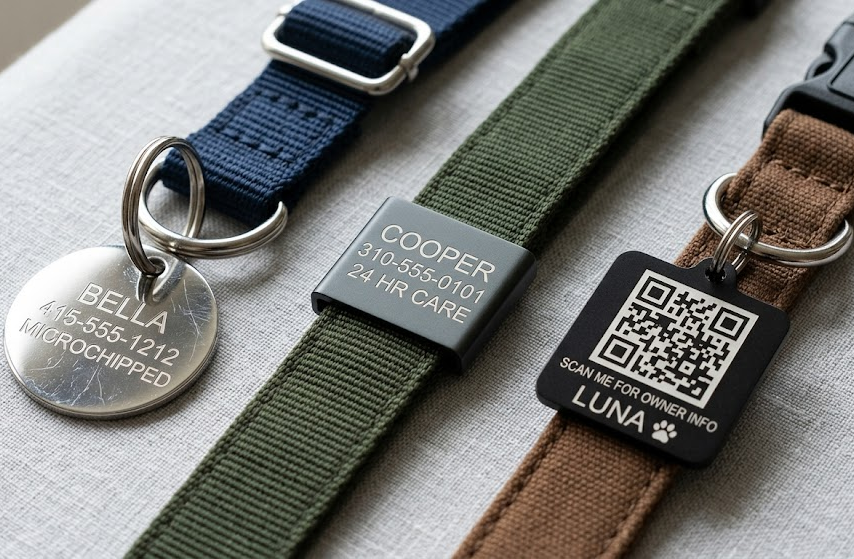
Comparison table: engraved vs slide-on vs QR code pet tag
| Feature | Engraved tag | Slide-on tag | QR code tag |
|---|---|---|---|
| Visible at a glance | Excellent | Excellent if fitted well | Weak unless someone scans |
| Noise level | Can jingle | Usually silent | Usually silent to low noise |
| Snag risk | Moderate | Low | Depends on form factor |
| Info capacity | Limited | Limited | High |
| Best recovery speed | Strong | Strong | Medium to weak on its own |
| Best for cats | Good if lightweight | Excellent | Better as backup only |
| Best for dogs | Excellent | Very good | Better as backup only |
Noise, comfort, readability, and durability tradeoffs
Readability: engraved tags still win the fastest-response test
If your pet slips out the door, readable contact info matters more than clever features. An engraved tag works because it does not ask the finder to do anything extra. That matters in low light, bad weather, or stressful situations where a quick phone call is more likely than scanning a code.
Comfort and noise: slide-on tags are often the quietest option
A slide-on dog tag or cat collar tag removes the constant jingle that some pets hate. That can matter a lot for cats, nervous small dogs, and pets who sleep, eat, and groom with their collar on. It also reduces the chance of the tag flipping under the chin or tapping against bowls.
Durability: the mounting method matters as much as the material
A thick stainless engraved tag can still fail if the split ring bends or opens. A slide-on tag can still be a bad choice if it shifts too much on a loose collar. A QR code tag can become useless if the print wears down, the profile link fails, or the service behind it changes.
In practice, durability depends on:
- corrosion resistance and scratch resistance
- whether the text stays readable after daily wear
- how securely the tag stays attached to the collar or harness
- how often the pet gets wet, dirty, or roughhoused
Decision matrix: which pet ID tag is best for your situation
Choose engraved if…
- you want the safest default for almost any dog or cat
- your top priority is fast lost-pet recovery
- you want readable contact info without needing a phone scan
- your pet wears a standard collar ring comfortably
Choose slide-on if…
- your cat hates dangling tags
- your dog wears a narrow collar or harness where jingling gets annoying
- you want less snagging and less movement
- you are willing to make sure the tag matches collar width correctly
Choose QR code if…
- you want to store extra medical or household information
- you often travel and want multiple contact options in one profile
- you are using it with visible ID, not instead of visible ID
- you understand that scanning adds friction in a real lost-pet moment
Best tag type for dogs vs cats
Best pet ID tags for dogs
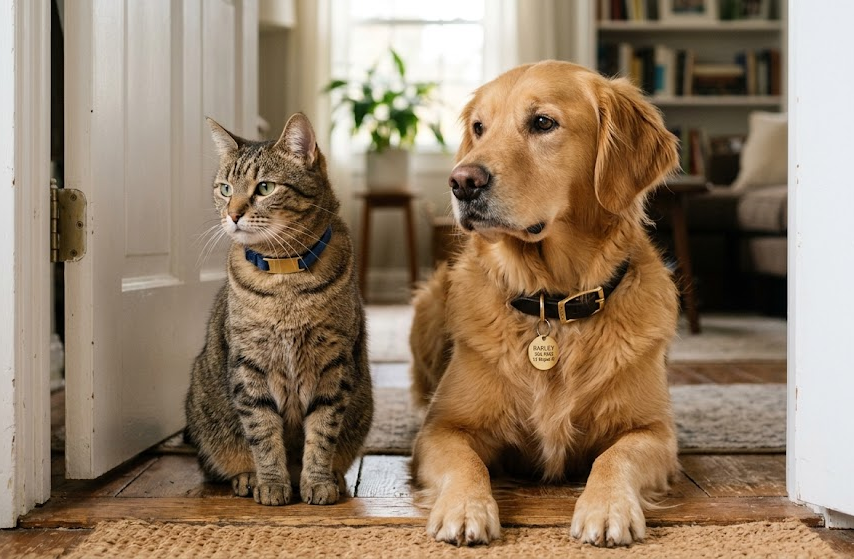
For most dogs, an engraved tag is still the best default because dogs are more likely to be found outdoors by strangers who need immediate contact information. Large active dogs can also do well with a rugged slide-on tag if the collar fit is stable and the text is easy to read.
Best pet ID tags for cats
For many cats, a slide-on tag or a lightweight engraved option works better than a heavy dangling tag. Cats are often more sensitive to noise and movement on the collar, so comfort matters more. If you choose a cat collar tag, keep it light, smooth, and easy to read.
What information should go on a pet ID tag
Keep it short and readable. The best pet ID tag is the one a stranger can use in seconds.
A strong setup usually includes:
- pet name
- primary phone number
- backup phone number if space allows
- short note like “microchipped” if room remains
Usually skip full street addresses unless you specifically want them there. In many cases, a current phone number is the most useful information because it creates the fastest path back home.
Pros and cons of each tag format
Engraved tag pros
- easiest for strangers to use immediately
- widely understood
- works without battery, app, or internet
- good fit for most dogs and many cats
Engraved tag cons
- can jingle
- may snag more than slide-on styles
- limited space for extra information
Slide-on tag pros
- quiet and comfortable
- lower snag risk
- often the best collar tag format for cats
- neat, low-profile look on the collar
Slide-on tag cons
- must fit the collar width correctly
- some designs are harder to read at a quick angle
- not every collar or harness works well with them
QR code tag pros
- can store more information
- easy to update linked profile details
- useful for multi-contact or medical-note backup
QR code tag cons
- slower in a real recovery situation
- depends on scanning behavior and phone access
- should not be the only visible ID for most pets
Summary takeaway
If you want one simple answer, choose an engraved pet ID tag for most dogs and cats. If your pet is bothered by noise or dangling hardware, a slide-on tag is often the smartest upgrade. If you like the flexibility of digital profiles, use a QR code pet tag as a backup layer alongside visible engraved information, not as the only way someone can identify your pet.
FAQ
Are QR code pet tags reliable enough on their own?
Usually no. A QR code pet tag can be helpful, but it should not be your only form of visible ID because it adds extra steps between the finder and your contact details.
What is the quietest tag option for cats?
A slide-on tag is usually the quietest option for cats because it does not dangle and jingle the way a hanging tag often does.
Do slide-on tags fit every collar?
No. Slide-on tags work only when the slot size matches the collar width and thickness well enough to stay stable and readable.
What details should be engraved on a pet tag?
Include your pet's name and your main phone number first. Add a backup number and “microchipped” only if the text stays easy to read.